Quick Guide
Let's talk about Tsukiji. You've probably heard the name thrown around in every Tokyo travel guide, seen the dizzying photos of tuna auctions, and read about its legendary status. But here's the thing a lot of people get wrong right off the bat: the famous wholesale inner market, the one with the pre-dawn tuna spectacle, isn't there anymore. It moved. In 2018, it packed up its knives and ice and relocated to a shiny new facility in Toyosu, a few kilometers away.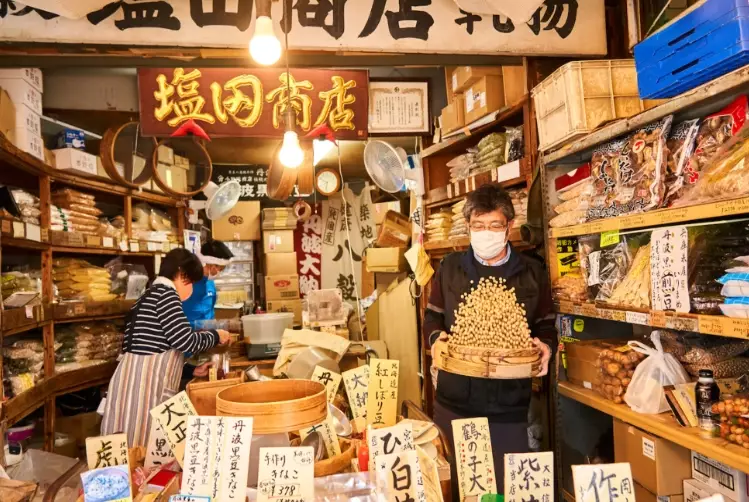
So what's left at Tsukiji? Everything that made it magical for the average visitor. The outer market. A sprawling, chaotic, and utterly delicious maze of narrow lanes crammed with hundreds of stalls, shops, and tiny restaurants. This is the Tsukiji Market experience that's still very much alive and kicking. The soul, the smells, the tastes – it's all right there.
If you're planning a trip, forget what you thought you knew for a second. This isn't a ghost town; it's a food paradise that evolved.
The Bottom Line Up Front: Tsukiji Outer Market is absolutely worth your time. You won't see the wholesale auction, but you will eat some of the freshest, most memorable sushi of your life, wander through stalls selling everything from pickles to kitchen knives, and feel the incredible energy of a place that's been feeding Tokyo for nearly a century.
From Swamp to Supper: The Tsukiji Story
To really get Tsukiji, you need to know where it came from. Its story starts way back after the Great Kanto Earthquake of 1923. The old Nihonbashi fish market was destroyed, and the city needed a new central hub. They chose a piece of land in the Tsukiji district – its name literally means "constructed land" or "reclaimed ground" – which had been literally built by filling in a swamp. You can find a detailed account of this early history on the Tokyo Metropolitan Government's official website, which notes the market's official opening in 1935.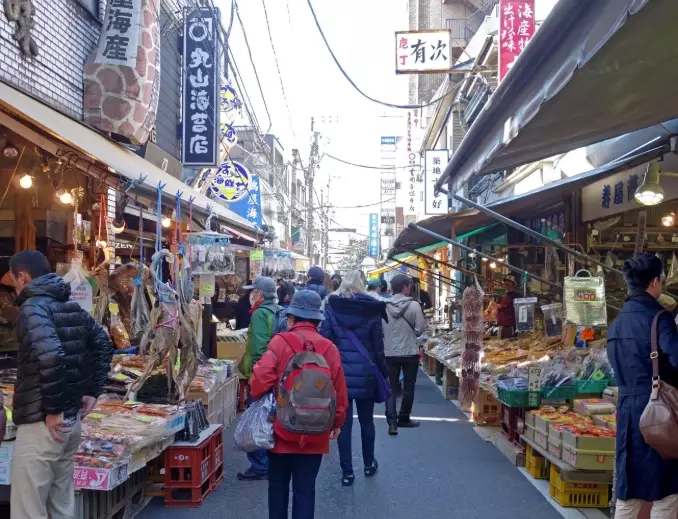
For over 80 years, it grew into the biggest fish market on the planet. We're talking a staggering volume of seafood. At its peak, it handled over 2,000 tons of marine products every single day. The energy was insane, a controlled chaos of speeding forklifts (they're called "turret trucks"), merchants shouting, and the sheer, overwhelming scale of the global seafood trade.
But time caught up. The facilities were aging, cold chain technology from the 1930s wasn't cutting it, and the location in central Tokyo became... complicated. Tourists flocking to see the auction created safety and operational headaches. The decision to move the wholesale operations to a modern, temperature-controlled facility in Toyosu was controversial but, in many ways, inevitable. Major news outlets like BBC covered the emotional final days and the complex reasons behind the relocation.
The move to Toyosu in October 2018 was a seismic shift. But here's the fascinating part: the outer market at Tsukiji dug its heels in and stayed put. The hundreds of family-run shops, the restaurants that had been there for generations, the knife sharpeners, the tea sellers – they refused to leave. And thank goodness they did.
Tsukiji vs. Toyosu: What Actually Changed?
This is where confusion sets in for a lot of travelers. Let's break it down simply.
| Aspect | Old Tsukiji Inner Market (Pre-2018) | Current Toyosu Market | Current Tsukiji Outer Market |
|---|---|---|---|
| Main Function | Wholesale trade & tuna auction | Wholesale trade & tuna auction | Retail, restaurants, & specialty shops |
| Visitor Access to Auction | Extremely limited, required very early arrival | Designed for viewing from dedicated galleries | Not applicable |
| Atmosphere | Raw, gritty, working market chaos | Clean, modern, industrial, and controlled | Bustling, food-stall chaos, sensory overload |
| Best For Visitors | The thrill of seeing the "real" pre-dawn action | Comfortably observing the auction process | Eating, shopping, exploring, and soaking in the vibe |
| Food On-Site | A few legendary sushi counters for workers | Limited restaurant areas (mainly upper floors) | Dozens upon dozens of incredible eateries |
So, if your dream was to see the famous tuna auction in its original, gritty form, that ship has sailed. That experience now belongs to Toyosu. But if your dream is to eat incredibly fresh seafood, wander through a historic market district, and buy unique goods, then the Tsukiji Market area is still your number one destination in Tokyo.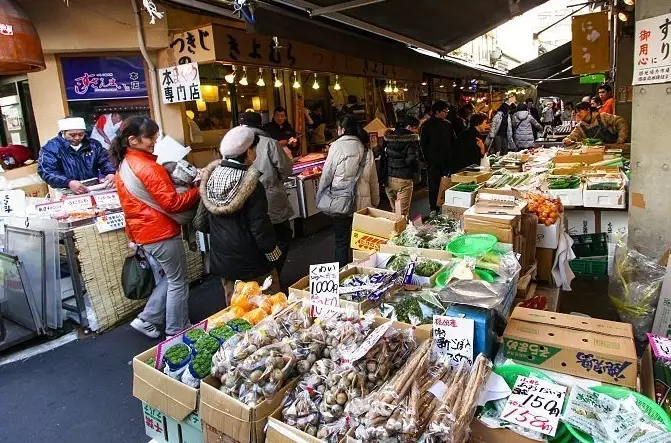
A quick reality check: Some people online will tell you the Tsukiji Market experience is "dead" because the auction moved. I think that's nonsense. It's just a different, and in many ways more accessible, experience. The heart of Tsukiji for travelers was always in those crowded outer market lanes anyway.
Getting There: No Wrong Turns, Just Different Stations
This is easier than you think. Tsukiji is incredibly well-connected. You have two main subway options, and which one you choose depends on what else you're doing that day.
Tsukiji Station (Hibiya Line): This is the classic, direct approach. Take exit 1, walk for about a minute, and bam – you're right in the thick of it. It's foolproof.
Tsukijishijo Station (Oedo Line): Also a great option. It's a tad closer to where the old inner market gates were, so you get a slightly different entry point into the market maze.
Higgashi-Ginza Station (Hibiya/Asakusa Lines): My personal sneaky favorite if I'm coming from Ginza. It's a pleasant 5-7 minute walk that lets you approach the market gradually, watching the cityscape shift from high-end boutiques to bustling food stalls.
Don't overthink it. All roads lead to fish.
Pro Timing Tip: Go early. I mean, 8:00 or 9:00 AM early. The best sushi restaurants start forming lines by 10:00 AM, and the market is at its most vibrant in the morning. Many shops start closing up between 1:00 and 3:00 PM. This is not a nightlife spot. It's a morning and lunch destination.
What To Actually Do at Tsukiji Market (The Outer Market)
Okay, you're here. The smells of grilling fish and soy sauce hit you, the narrow lane is packed with people, and stalls are shouting specials. Where do you even start? Let's break it down by category.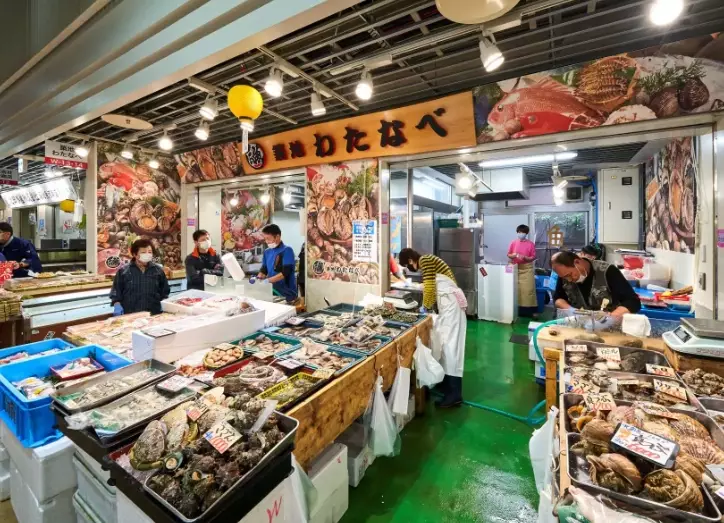
Eat. Just Eat Everything.
This is the main event. The outer market of Tsukiji is a culinary wonderland. The quality is high, and while it's not "cheap" by Japanese street food standards, the value for the freshness is unbeatable.
The Non-Negotiable Must-Try List:
- Sushi for Breakfast: Yes, it's a thing. And it's glorious. Places like Sushi Dai or Daiwa Sushi were the legendary inner market spots, but their branches or similar high-quality shops exist in the outer market. Be prepared to queue. Is it worth a 90-minute wait? For the omakase (chef's selection) experience of melt-in-your-mouth tuna and uni, many say yes. I think 45 minutes is my personal limit.
- Tamagoyaki (Japanese Omelette): Look for specialist stalls where they make it fresh in front of you in rectangular pans. It's sweet, savory, layered, and unlike any omelette you've had. A perfect warm snack.
- Kaisen-don (Seafood Rice Bowl): A mountain of fresh, raw seafood (tuna, salmon, shrimp, roe, etc.) piled over a bowl of rice. It's less formal than sushi, often cheaper, and incredibly satisfying. You can find stalls that let you customize your bowl.
- Grilled Shellfish: Scallops the size of your hand, grilled with a dab of butter and soy sauce. Fresh uni (sea urchin) served straight from the shell. It's messy, it's primal, and it's delicious.
- Mochi & Senbei: For something sweet or savory to finish, look for stalls pounding fresh mochi or grilling rice crackers (senbei). The smell is irresistible.
My personal strategy? I never eat a big breakfast at the hotel. I go to Tsukiji Market hungry and graze. Share a sushi plate, get a stick of grilled scallop, try a piece of tamagoyaki, then find a spot for a small kaisen-don. It's the best way to experience the variety.
Shop for More Than Just Fish
You can't take fresh tuna home in your suitcase (well, you shouldn't), but there's plenty you can buy.
Kitchen Knives: Tsukiji is famous for its professional-grade Japanese knives. Shops like Masamoto or Tsukiji Masamoto (yes, there's a history there) are institutions. These are serious, razor-sharp tools used by the market's chefs. They're an investment, but if you cook, holding one feels special. They'll often engrave your name on it in Japanese.
Tableware and Kitchenware: Beautiful handmade ceramic bowls, plates, chopstick rests, and bamboo utensils. Perfect for souvenirs that are actually useful.
Dry Goods & Pantry Staples: High-quality dried seaweed (nori), bonito flakes (katsuobushi), various types of miso paste, and unique blends of tea. These are lightweight and packable gifts that bring a taste of Japan home.
Pickles (Tsukemono): Vats of brightly colored pickled vegetables – daikon radish, cucumber, eggplant. They're crunchy, tangy, and a classic accompaniment to any Japanese meal.
A word on etiquette while shopping and eating: The lanes are narrow. If you stop to look or eat, try to tuck yourself to the side so you don't become a human roadblock. Also, while many vendors take cards now, having some cash (yen) is still a very good idea, especially for smaller food stalls.
Navigating the Crowds and Other Practical Stuff
Tsukiji is popular. Let's not sugarcoat it. You will be sharing the experience with many other people, especially on weekends. But that's part of the energy.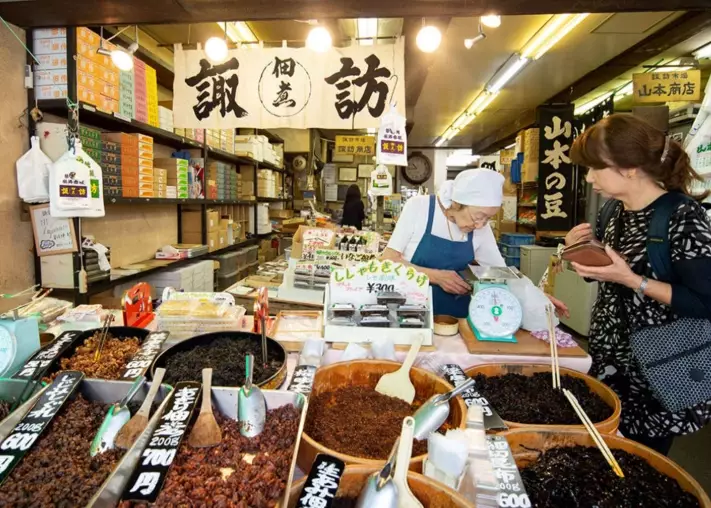
What to Wear: Comfortable shoes are non-negotiable. You'll be standing and walking on sometimes wet, uneven ground. The market is covered, but you might be in line outside a restaurant, so dress for the weather. And maybe don't wear your brand-new white sneakers.
Cash is King (Mostly): As I mentioned, cash is still the safest bet, though the card situation is improving. There are ATMs around, but it's easier to just come prepared.
Bathrooms: They exist! Look for public restrooms near the edges of the market or inside some of the larger food halls. They're usually clean but basic.
Embrace the crowd. Let it pull you towards the smells of something good.
Answers to the Questions You're Probably Asking
Is Tsukiji Market still worth visiting after the move?
Absolutely, 100%. If your goal was purely to witness the controlled chaos of the wholesale auction, then you need to go to Toyosu. But if your goal is to experience the historic market atmosphere, eat world-class seafood at its source, and shop for unique Japanese goods, then the Tsukiji outer market is not just worth it – it's essential. The move simply separated two distinct experiences: the wholesale trade (Toyosu) and the retail/dining culture (Tsukiji).
Should I go to Toyosu or Tsukiji?
For most travelers, I'd recommend Tsukiji. The Toyosu Market is fascinating in its own right—it's a marvel of modern logistics, and you can observe the auctions from clean, elevated galleries without getting in the way. The official Toyosu Market website has all the latest visitor information. But it feels more like a highly efficient factory tour. Tsukiji has the history, the cramped charm, and the unparalleled concentration of incredible food. If you have a deep, specific interest in the seafood industry, do both. If you have one morning for a market experience, make it Tsukiji.
What are the best days and times to visit Tsukiji?
Go on a weekday, and go as early as you can manage. The market is open from very early morning (some wholesalers start at 5 AM) until early afternoon. Most retail shops and restaurants are in full swing by 9 AM. Sundays and Wednesdays are the most common closing days for many shops, but it's not universal—always check specific restaurant hours if you have a must-visit spot. The busiest times are between 10 AM and 1 PM.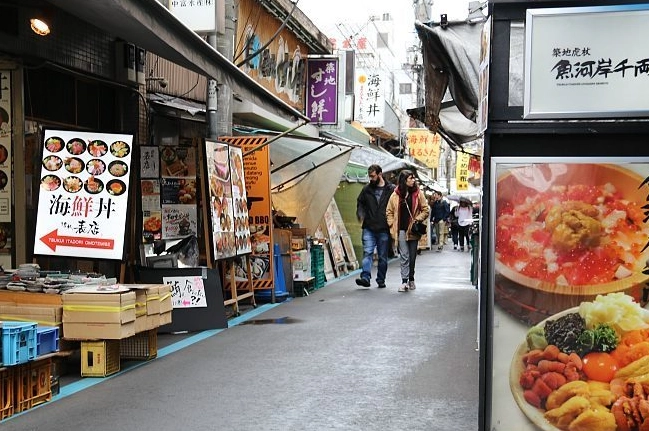
Can I still see a tuna auction?
Not at Tsukiji. The famous tuna auction relocated to the Toyosu Market. There, it is held in a dedicated, temperature-controlled arena. Visitors can observe from a designated gallery on the second floor. You need to apply for a viewing spot in advance (details are on the Toyosu Market website), and it still requires a very early start. Honestly, for many, watching it on a screen in the comfort of a gallery at Toyosu is a more civilized, if less atmospheric, experience than the pre-dawn scrum of old Tsukiji.
What is the one thing I shouldn't miss at Tsukiji?
Apart from eating? Take a moment to just stand still and observe. Watch a chef masterfully slice tuna with a $500 knife. See the elderly lady running a pickle stall for 40 years carefully pack an order. Smell the charcoal grilling fresh scallops. The magic of Tsukiji Market isn't just in consuming; it's in witnessing a centuries-old tradition of food commerce that's adapted and survived right in the heart of modern Tokyo. It's a living piece of history, and that's something no relocation can take away.
So, pack your appetite, wear good shoes, and get ready to explore. The real Tsukiji Market is waiting for you.