Let's be honest. Figuring out what to do in Seoul can feel overwhelming. I remember my first trip, staring at a map buzzing with subway lines and neighborhood names, completely paralyzed by choice. Do you chase history at ancient palaces? Dive headfirst into the neon chaos of Myeongdong? Or search for quiet in a hidden hanok village? The answer, thankfully, is yes to all of it.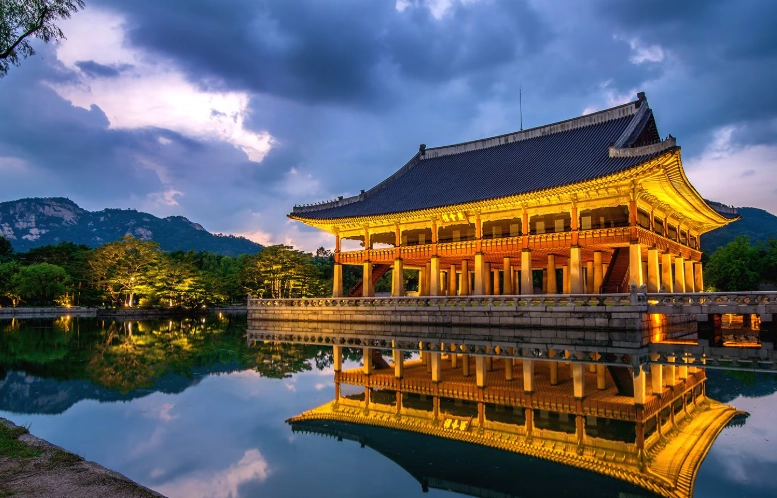
Seoul isn't a city you just visit; it's a city you experience in layers. One minute you're bowing under the intricate roof of a 600-year-old gate, the next you're sipping a perfectly crafted latte in a minimalist cafe perched in a converted residential house. The energy is contagious, the food is a reason to travel alone, and the sheer variety of things to do means you'll never have a dull moment.
This guide isn't a dry list of attractions. It's the compilation of multiple trips, missed trains, culinary triumphs (and a few disasters), and conversations with locals who showed me their version of the city. We'll break down exactly what to do in Seoul, whether you have 48 hours or two weeks.
If You Only Have 5 Seconds:
Top picks for first-timers: Gyeongbokgung Palace, Bukchon Hanok Village, a Namsan Seoul Tower hike, Myeongdong street food, and a night in Hongdae. Don't overthink it. Start there.
First Things First: Getting Your Bearings in Seoul
Seoul is massive, but it's incredibly well-organized. The Han River cuts the city in two: Gangbuk (north) and Gangnam (south). Most historical sites are in Gangbuk. The modern, glitzy, K-pop side? That's largely Gangnam. Your "what to do in Seoul" plan will hop between these two worlds.
Pro Tip: Get a T-money card immediately. It works on every subway, bus, and even in most taxis and convenience stores. You can grab one at any airport convenience store or subway station. Loading it with 20,000 KRW is a good start.
The subway is your best friend. Signs are in English, announcements are in four languages, and it's clean, safe, and runs until past midnight. Naver Maps works far better than Google Maps here for real-time navigation. Download it before you land.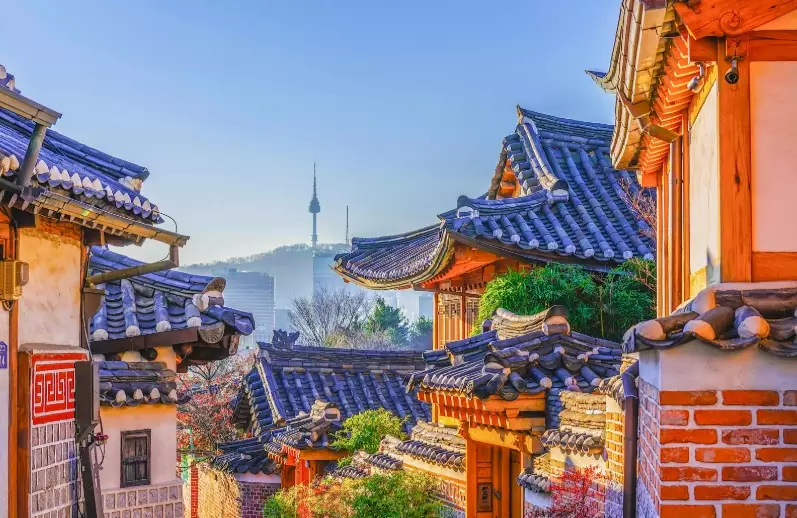
Where to Stay Based on Your Vibe
This decision shapes your entire trip. Picking the wrong area can mean long subway rides every day. Here’s the real breakdown.
| Area | Best For | Vibe & Vibe Check | Drawback |
|---|---|---|---|
| Myeongdong | First-timers, shoppers, street food lovers | Tourist central, hyper-convenient, always buzzing. You're in the middle of everything. | Can feel crowded and generic. Not the "authentic" Seoul some seek. |
| Hongdae | Nightlife, students, indie culture, budget travelers | Youthful, creative, energetic. Live music everywhere, trendy cafes, great people-watching. | Noisy at night. Not as many direct subway links to palaces. |
| Insadong | Culture, history, traditional crafts, calm(er) nights | Heart of traditional Seoul. Tea houses, antique shops, close to palaces. Charming. | Quieter at night, fewer late-night food options. Can feel a bit touristy on the main strip. |
| Gangnam | Luxury shopping, upscale dining, modern Seoul | Shiny, affluent, and fast-paced. Think designer stores, sleek cocktail bars, and K-pop agencies. | Expensive. Lacks the historical charm. Feels more like a global business hub. |
| Itaewon | International cuisine, expat scene, diverse nightlife | Historically the foreigner district. Incredibly diverse food, great for meeting people from everywhere. | Has lost some of its unique character in recent redevelopment. Can feel disconnected from "Korean" Seoul. |
I've stayed in Hongdae and Insadong. Hongdae was a blast, but trying to get an early start to beat the crowds at Gyeongbokgung was a hassle. Insadong was perfect for morning palace runs but meant a longer subway ride for nightlife. There's no perfect answer—just what's perfect for your priorities.
The Core of Your Seoul Itinerary: Must-Do Activities
Alright, let's get into the meat of it. When you're puzzling over what to do in Seoul, these are the pillars your trip should stand on.
History & Culture: Walking Through Centuries
You can't ignore Seoul's past. It's woven into the city's fabric. The good news? The main palaces are stunning and relatively close together.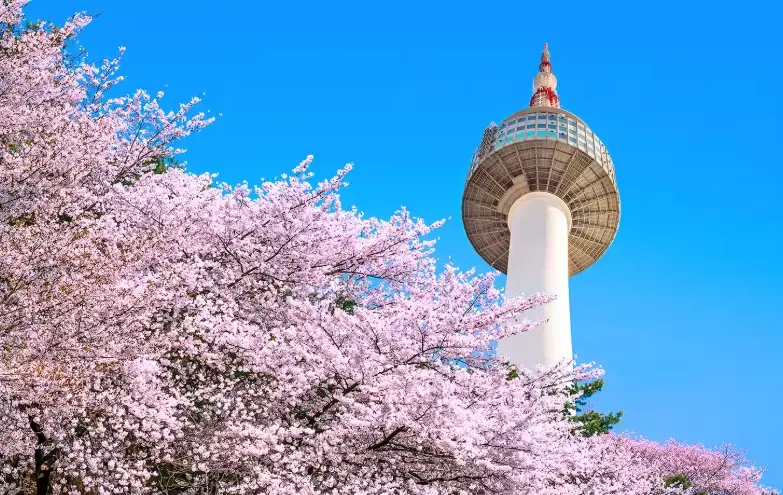
Gyeongbokgung Palace is the big one. The main gate (Gwanghwamun) is iconic. Time your visit for the Royal Guard Changing Ceremony (check times on the Official Royal Palace & Shrine Site). My advice? Go right when it opens. By 11 am, the main courtyard is packed with tour groups. Rent a hanbok (traditional dress) from one of the shops nearby—you get free entry and amazing photos, but you will feel a bit like part of a theme park.
Changdeokgung Palace, a UNESCO site, is my personal favorite. It feels more organic, built around the land rather than imposing on it. The secret garden (Huwon) requires a separate, guided tour ticket. Book it in advance online—it sells out. This is where you truly escape the city's noise.
Just north of the palaces is Bukchon Hanok Village. It's a residential area with traditional Korean houses (hanok). It's beautiful, but remember people live there. The main photo alley is a steep, crowded staircase. Wander the side streets instead for a more genuine feel. Stop at a hanok cafe for tea; the one with the view over the tiled roofs is worth the wait.
Heads Up: Most palaces are closed on Mondays. Plan your historical deep dive for Tuesday through Sunday. Also, they're huge. Wear comfortable shoes. I learned this the hard way with new, unbearably stylish but blister-inducing sneakers.
Food & Markets: The Real Soul of Seoul
Asking what to do in Seoul is really asking what to eat in Seoul. The food scene is a competitive sport.
Street Food: Myeongdong is the circus—flashy, crowded, and full of options (cheese-filled lobster tails, giant ice cream cones). For a more local vibe, try Gwangjang Market. It's chaotic, loud, and utterly fantastic. Sit at a stall for bindaetteok (mung bean pancakes) and mayak gimbap ("drug" kimbap—they're addictive). The ajummas (older ladies) running the stalls don't suffer fools, but the food is incredible. I got scolded for not eating fast enough. It was a rite of passage.
Korean BBQ: Don't overcomplicate it. Look for a place packed with locals, often indicated by metal chimney vents over each table. Order samgyeopsal (pork belly) or galbi (marinated short ribs). The banchan (side dishes) are free and refillable. A common rookie mistake is filling up on rice. Don't. The meat is the star.
One meal that surprised me? A simple bowl of seolleongtang (ox bone soup) for breakfast at a 24-hour spot in Sindang-dong. Milky, peppery, restorative. Perfect after a long night.
Views & Green Spaces
Seoul is a concrete jungle, but it's a jungle with incredible parks and viewpoints built into its mountains.
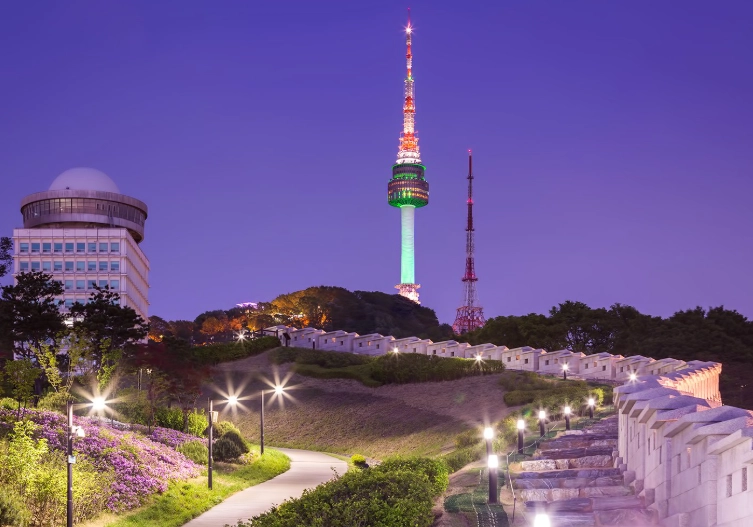
Namsan Seoul Tower (N Seoul Tower) is the postcard view. You can hike up from Myeongdong (a solid 45-minute walk uphill), take a bus, or ride the cable car. Go before sunset to see the city in daylight and watch the lights come on. The love locks are cheesy but kind of charming. The observation deck is pricey; the view from the base is nearly as good.
Haneul Park (Sky Park) on World Cup Park is less touristy. It's a massive park on a reclaimed landfill, famous for its tall silver grass fields in autumn. You can rent a bike or just walk. The view of the Han River and the city skyline is spectacular, especially at golden hour. It feels miles away from the bustle.
For a quick, easy escape, Cheonggyecheon Stream is a 10km-long restored stream running through downtown. You walk down steps from the street level and suddenly the traffic noise vanishes. Locals dip their feet in on hot days. It's a brilliant piece of urban planning.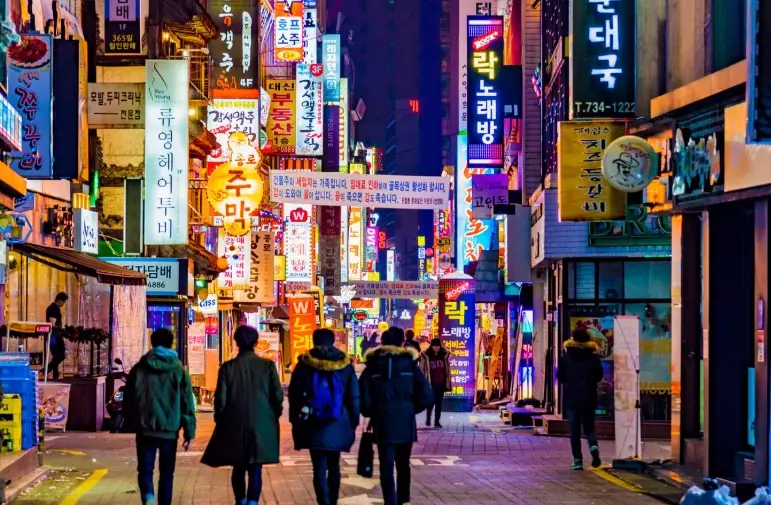
Digging Deeper: Neighborhood Deep Dives
Once you've hit the major sights, the real fun begins. Seoul's neighborhoods each have a distinct personality. Your "what to do in Seoul" list should include at least one deep dive into a district.
Hongdae & Edae
Home to Hongik and Ewha Universities. Think street performers, indie band clubs in basements, quirky themed cafes (like the sheep cafe or the raccoon cafe—though animal cafes are ethically questionable), and some of the best people-watching in Korea. Shop for unique, affordable fashion in the underground stores near Edae station.
Ikseon-dong
My current favorite find. A maze-like hanok village turned into a hub of tiny, design-forward cafes, cocktail bars, and boutiques. It feels secretive and creative. Perfect for an afternoon of getting lost. The dakgalbi (spicy stir-fried chicken) place in the alley is legendary.
Seongsu-dong
"The Brooklyn of Seoul." Old shoe factories and warehouses transformed into minimalist cafes, flagship stores for local designers, and art galleries. Great for coffee snobs. The line for the "must-visit" croissant shop can be absurd, though.
Beyond the Obvious: Unique Seoul Experiences
If you want to move past the standard guidebook list, here are some activities that answer the deeper question of what to do in Seoul for a memorable experience.
- A Jimjilbang (Korean Sauna) Night: This is a culture shock in the best way. Places like Siloam Sauna or Dragon Hill Spa are 24-hour complexes. You bathe (gender-segregated, nude areas), then meet in the common areas wearing provided uniforms. You can sleep on the floor, eat boiled eggs and sikhye (sweet rice drink), and get a full-body scrub (the infamous "seshin" where a no-nonsense ajumma scrubs off a layer of skin). It's bizarre, relaxing, and utterly Korean.
- See a Non-Verbal Performance: Nanta (comedy cooking show) is famous, but The Painters: HERO is a stunning live drawing and breakdancing show. No language barrier, just incredible talent. Perfect for a rainy day.
- Take a Day Trip to the DMZ: It's a sobering, fascinating look at the division of Korea. You must book a licensed tour (your hotel can help). You'll visit the Joint Security Area (JSA), see the infiltration tunnels, and stand at the border. It's not fun, but it's profoundly important. The Korea Tourism Organization's DMZ page has official tour information.
Underrated Gem: The National Museum of Korea in Yongsan. It's vast, free, and air-conditioned. The architecture is stunning, and the collection walks you through the entire peninsula's history without the crowds of the palaces. The park around it is lovely for a stroll.
Practical Seoul: Your Burning Questions Answered
Is Seoul safe for solo travelers, especially women?
Incredibly safe. I've walked alone at night in most districts and never felt threatened. Violent crime is very low. The subway has women-only cars during rush hour (pink signs). The main concern is petty theft in crowded areas like Myeongdong—just keep your bag close.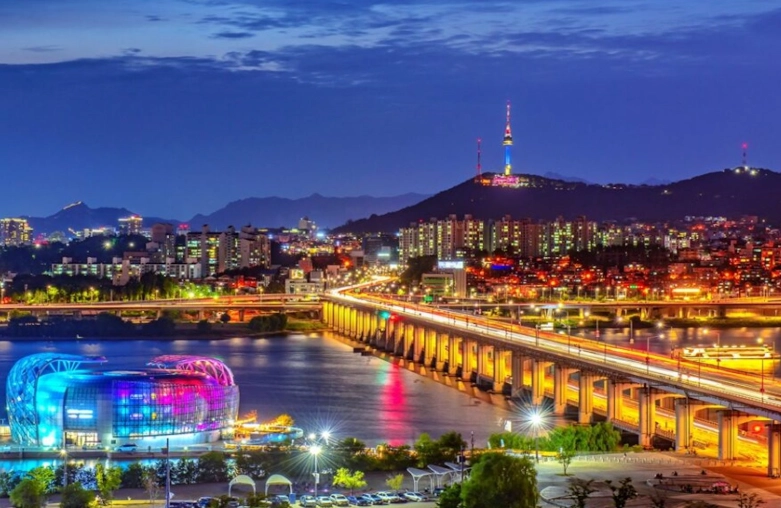
How many days are enough for Seoul?
Four full days is the absolute minimum to scratch the surface. A week lets you breathe, revisit favorites, and take a day trip. You could easily fill two weeks without getting bored.
What's the biggest mistake tourists make?
Trying to do too much in one day. Seoul's neighborhoods are dense. Picking one or two areas per day is better than zigzagging across the city. The subway is efficient, but transfers eat up time.
Is it easy to get by with only English?
Yes, in tourist areas. Younger Koreans often know basic English. In older markets or local restaurants, you might need to point. Learning a few phrases (hello: "annyeonghaseyo," thank you: "kamsahamnida") goes a very long way and is appreciated.
What's the best season to visit?
Spring (April-May) for cherry blossoms and fall (September-October) for crisp air and stunning foliage are perfect. Winter (Dec-Feb) is cold but dry, with fewer crowds and great skiing nearby. Summer (July-Aug) is hot, humid, and rainy—monsoon season.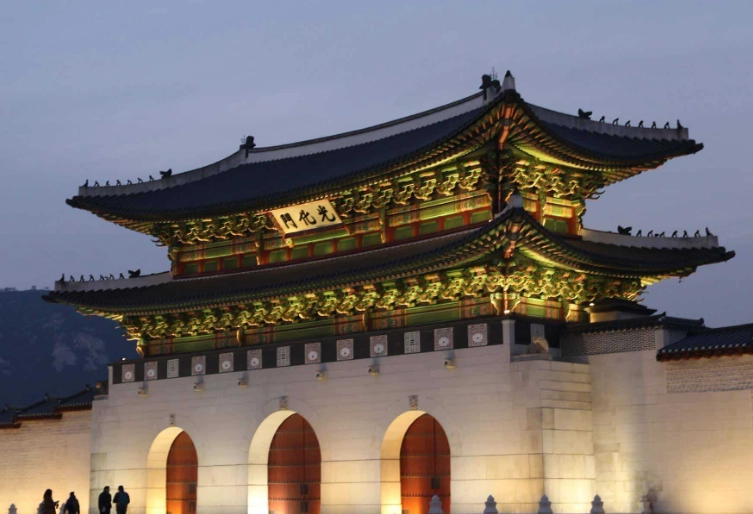
Final Thoughts on What to Do in Seoul
Seoul demands your participation. It's not a city for passive observation. You have to eat the sizzling food from a street stall, hike the path to a mountain temple, get lost in a neon-lit alley, and sit on the floor for a meal. The city's magic is in the contrast—the serene and the chaotic, the ancient and the hyper-futuristic, existing side-by-side.
Your plan for what to do in Seoul should have structure but leave room for discovery. Maybe you skip a planned museum because you found a perfect cafe terrace. Perhaps you follow a side street in Insadong and find a quiet art gallery. That's the real Seoul.
Start with the palaces and the markets. Then let the city guide you. Talk to people. Try the thing that looks weird. Say yes. That's when you stop being a tourist and start understanding why this city is so utterly captivating. The energy gets under your skin. You'll leave exhausted, full, and already planning your next trip back to figure out what else to do in Seoul.
And trust me, there will always be more to do.