Quick Navigation
Let's be honest. Your first time facing a bustling Thai street food stall or sitting down in a noisy, fan-cooled restaurant can be overwhelming. It's a sensory blitz. The smells are incredible—charred meat, pungent fish sauce, sweet coconut, and fiery chilies all hitting you at once. But then you see the menu, a mosaic of unfamiliar words, or worse, no menu at all. You watch locals devouring bowls of noodles with a speed and grace you can't comprehend. This is Thai eating in its raw, glorious form. It's not just fuel; it's a social activity, an art form, and for many, the centerpiece of daily life.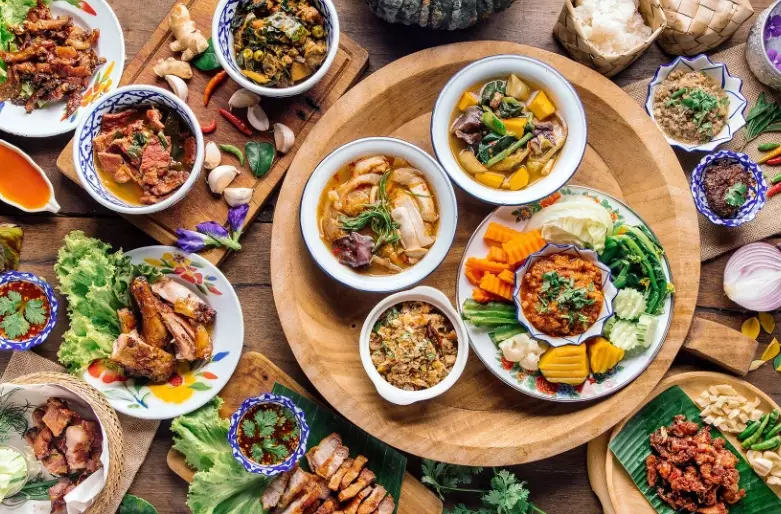
I remember my own initiation. I pointed at something that looked like grilled chicken on a stick. It was delicious, until I bit into a small, incredibly spicy green chili that was threaded onto the skewer. My face turned red, I gasped for air, and the vendor just laughed and handed me a bottle of water. A lesson learned the hard way. Thai food has its own logic, its own rhythm, and its own set of unwritten rules. Mastering the basics of Thai eating transforms the experience from a confusing challenge into one of the greatest joys of visiting the country.
This guide isn't a dry list of dishes. It's a deep dive into the how and the why. We'll talk about the mindset you need, the etiquette that will earn you smiles (or avoid scowls), and the practical tips to find the best food, from the humblest cart to a proper sit-down restaurant. Consider this your friendly, slightly opinionated roadmap.
The Heart of Thai Eating: It's All About Sharing and Balance
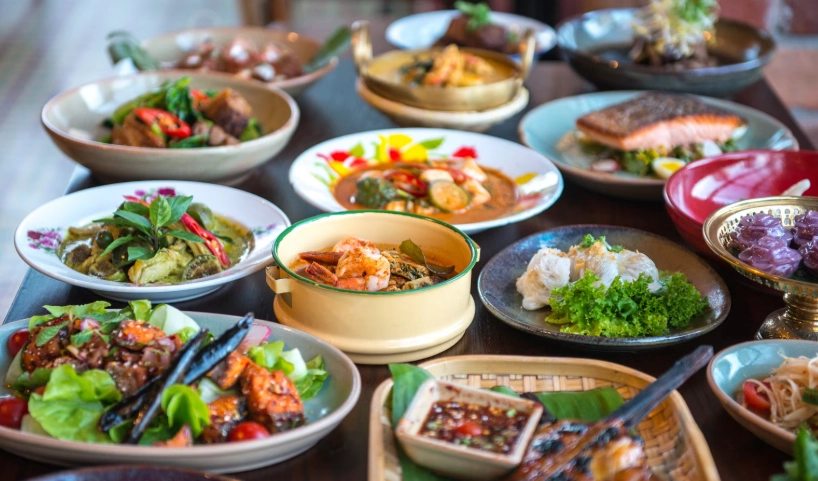
Forget the Western concept of "my plate." Traditional Thai eating is communal. Dishes are ordered to share, placed in the center of the table, and everyone digs in. A typical meal strives for a balance of flavors and textures across several dishes. You don't order one curry and call it a day. You build a symphony.
Rice is the anchor. It's not a side dish; it's the main event that everything else complements. The phrase "kin khao" (กินข้าว) literally means "eat rice," but it's used to mean "to have a meal." That tells you everything. The curries, the stir-fries, the salads—they're there to make the rice delicious.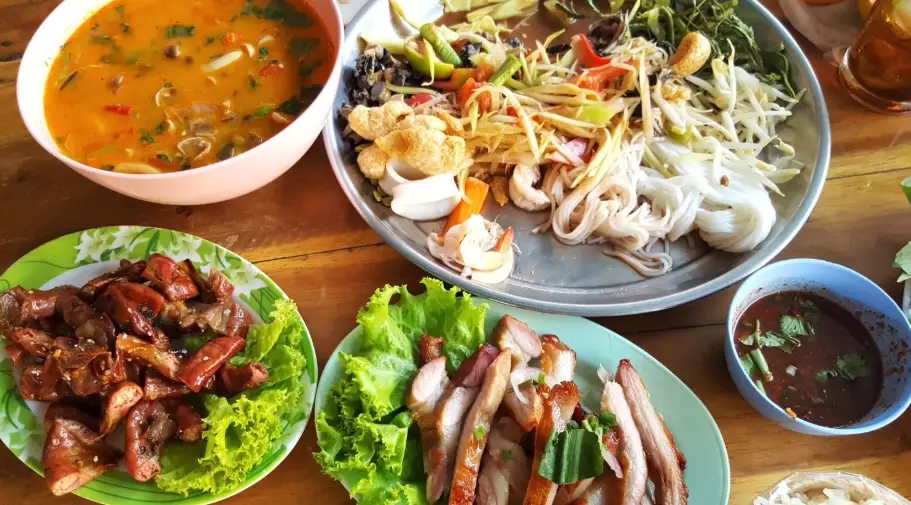
Then there's the holy grail of Thai flavor: the balance of sweet, sour, salty, spicy, and sometimes bitter. A single dish, like a Som Tum (green papaya salad), aims to hit most of these notes. But the real magic happens across the whole meal. The fire of a spicy curry is cooled by the blandness of rice. The richness of a coconut-based soup is cut by the sharp sourness of a lime-heavy salad. Your job as an eater is to mix and match, creating perfect bites that dance across your palate.
It's interactive. It's social. It's deliciously chaotic.
The Essential Condiment Quartet
No Thai table is complete without these four. They're not just afterthoughts; they're tools for personalizing every single bite to your exact taste.
- Nam Pla (Fish Sauce): The liquid umami bomb. Salty, funky, essential. A few drops can elevate a simple stir-fry or soup.
- Nam Pla Prik (Fish Sauce with Chilies): Sliced bird's eye chilies soaking in fish sauce. The universal table sauce for an instant spicy-salty kick. I put this on almost everything.
- Prik Pon (Crushed Dried Chili Flakes): For dry heat and a bit of texture. Great on noodles and soups.
- Nam Tan (Sugar): Often granulated white sugar. Thais aren't shy about adding a pinch to balance excessive sourness or spice in a dish. It sounds weird, but try a tiny sprinkle in an overly spicy Tom Yum—it works.
Conquering the Street Food Scene: A Survival Guide
This is where the soul of Thai eating lives. It's affordable, incredibly fresh (as turnover is high), and offers an authenticity you often can't find in restaurants. But it can be intimidating.
Let's tackle the big question first: is it safe? Generally, yes. The high heat of wok cooking kills most pathogens. The real risk often comes from pre-cut fruit or salads washed in questionable water. Use common sense. Look for cleanliness in the preparation area. Are raw and cooked ingredients separated? Does the vendor handle money and then food without washing hands? (This is a common issue, frankly). For your first few days, maybe stick to fully cooked, piping hot items.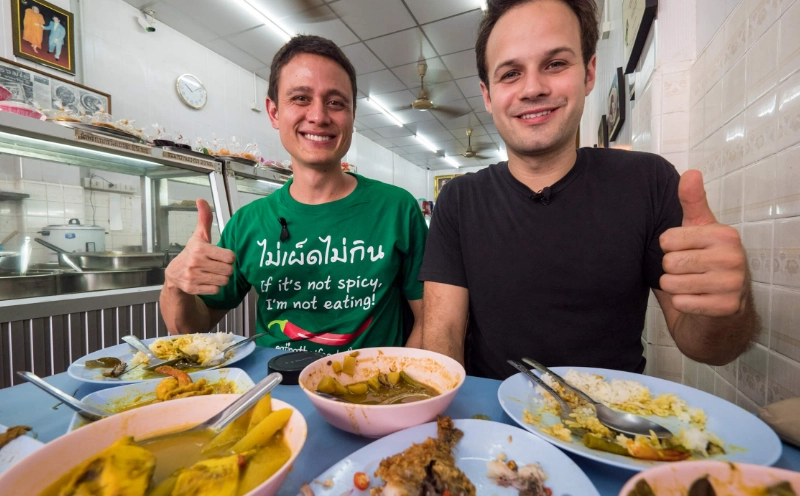
Street Food Hall of Fame: Must-Try Dishes
| Dish (Thai Name) | What It Is | What to Look For / Pro Tip |
|---|---|---|
| Pad Thai | Stir-fried rice noodles with egg, tofu, shrimp/ chicken, tamarind, fish sauce, and peanuts. | The classic. A good one isn't soggy or ketchup-red. It should be slightly dry, with a perfect sweet-sour-salty balance. Ask for "pad Thai hai khai" (Pad Thai with egg wrapped around). |
| Som Tum | Spicy green papaya salad pounded in a mortar with chilies, lime, fish sauce, tomatoes, and long beans. | You'll hear the pounding. Specify your spice level: "mai pet" (not spicy), "pet nit noy" (a little spicy), or "pet mak" (very spicy). They usually make it very spicy by default! |
| Khao Niao Mamuang | Sweet sticky rice with ripe mango and coconut cream. | A perfect dessert. The mango should be fragrant and yellow, not green. Best in mango season (March-June). Some places use canned mango off-season—it's a tragedy. |
| Gai/Moo Ping | Grilled chicken or pork skewers marinated in coconut milk and spices. | Often served with a small bag of sticky rice. The perfect grab-and-go snack. The marinade should be slightly sweet and savory, not just salty. |
| Kuay Teow Reua (Boat Noodles) | Rich, dark, meaty broth with rice noodles, pork/beef, and offal. | Originally sold from boats. Small, intense bowls meant to be eaten multiple times. The broth is the star—deep, complex, and often blood-thickened. |
Ordering is simple. Point, smile, and use numbers. "Neung" (1), "Song" (2), "Sam" (3). You can say "ao neung" (I want one). They might ask "kin tee ni rue?" (eat here or takeaway?). "Tee ni" (here) or "bao" (takeaway).
Navigating a Thai Restaurant: From Humble Shop Houses to Air-Conditioned Rooms
Restaurant Thai eating offers more comfort and variety. The etiquette is slightly more formal, but still relaxed.
How to Order Like You Know What You're Doing
First, drinks. You'll usually be asked immediately. Water is "nam plao" (often served with ice). Thai iced tea ("cha yen") or iced coffee ("gafae yen") are sweet, strong, and delicious.
Then, ordering food. Don't order everything at once. Order your main dishes, and as you eat, you might order more rice or another vegetable dish. Servers expect this. It keeps the food coming fresh and hot. A helpful phrase is "mai ped" (not spicy) if you're sensitive, but be prepared for some confusion—spice is life here.
Sharing is still the default.
Don't be surprised if dishes arrive at completely different times. The kitchen sends them out as they're ready. The rice will come first. Dig in as dishes arrive; don't wait for everything to hit the table.
The Art of Eating: Spoons, Forks, and Shared Serving Spoons
Here's a key piece of Thai eating etiquette that many tourists miss. The spoon is your primary utensil, not the fork. You use the fork (held in your left hand) to push food onto the spoon (in your right hand). Then you eat from the spoon. Knives are rare; meat is usually cut before cooking or is tender enough to break with the side of the spoon.
Crucially: Use the shared serving spoon provided with each communal dish. Never, ever use your personal spoon or fork to take food from the shared plates. It's considered unhygienic. I've seen Thais visibly cringe when a foreigner does this. If there's no serving spoon, use the end of your own spoon to take food, not the end that goes in your mouth.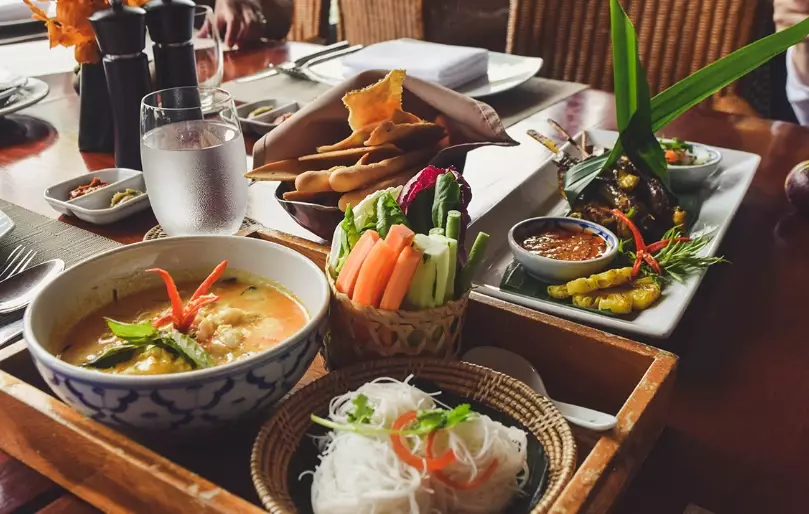
Chopsticks? Generally reserved for noodle soups and dishes of Chinese origin. For rice-based meals, it's spoon and fork.
A Quick Tour of Regional Thai Eating Styles
Thai food isn't a monolith. Where you are in the country drastically changes the flavor profile.
- Central Plains (Bangkok): The "classic" Thai food most foreigners know. A balance of all flavors, with heavy use of coconut milk, fresh herbs, and seafood. Dishes like Green Curry, Tom Yum, and Pad Thai reign here.
- Isaan (Northeast): My personal favorite region for Thai eating. The food is bold, rustic, and fiercely spicy. Sticky rice is the staple, eaten with the hands. Som Tum, Larb (minced meat salad), and grilled chicken are icons. The flavors are drier, more fermented (with pla ra, fermented fish sauce), and herbaceous. It's less sweet than Central food.
- Northern Thailand: Influenced by Myanmar and Laos. Sticky rice is also common. Famous for Sai Oua (herb-packed sausage), Khao Soi (coconut curry noodle soup with crispy noodles on top—an absolute must-try), and milder, earthier curries that often use less coconut milk.
- Southern Thailand: Seafood paradise. The food is incredibly spicy, with strong Indian and Muslim influences. Lots of turmeric, coconut, and seafood. Massaman Curry (a rich, mild Muslim curry) and Gaeng Som (a sour orange curry) are stars here.
If you want to dive deeper into the regional specialties, the Tourism Authority of Thailand website has excellent resources on local dishes from each province.
Your Thai Eating FAQ: Answering the Real Questions
Let's get practical and answer the stuff you're actually wondering about.
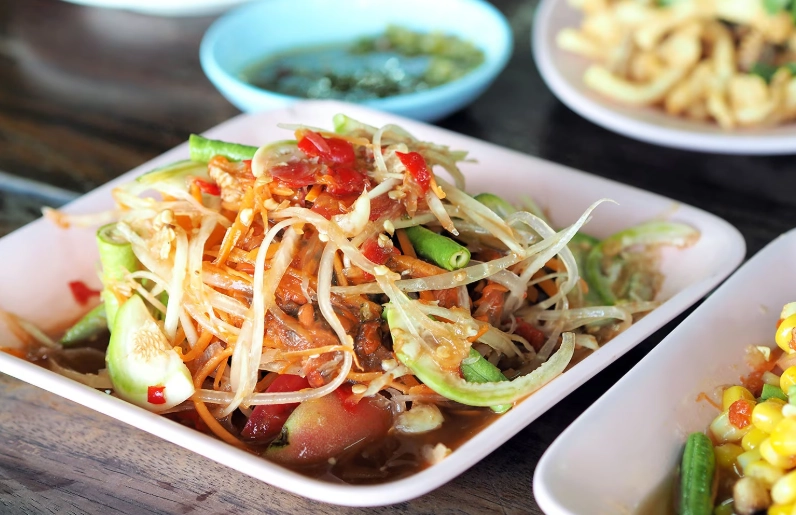
For further reading on specific dishes and their history, CNN Travel's guide to Thai food provides a great visual and descriptive overview of many classics we've talked about.