Planning an East Coast USA trip can feel overwhelming. The coastline stretches over 2,000 miles from the rocky cliffs of Maine to the tropical beaches of Florida, packed with world-class cities, historic landmarks, and natural wonders. Most lists just throw famous names at you. I've been traveling this coast for over a decade, and the biggest mistake I see is people trying to cram too much into one trip, ending up exhausted and missing the local vibe. This guide cuts through the noise. We'll break down the must-see spots with concrete details—ticket prices, parking tips, the best time to visit—and give you a framework to build an itinerary that actually feels like a vacation, not a marathon.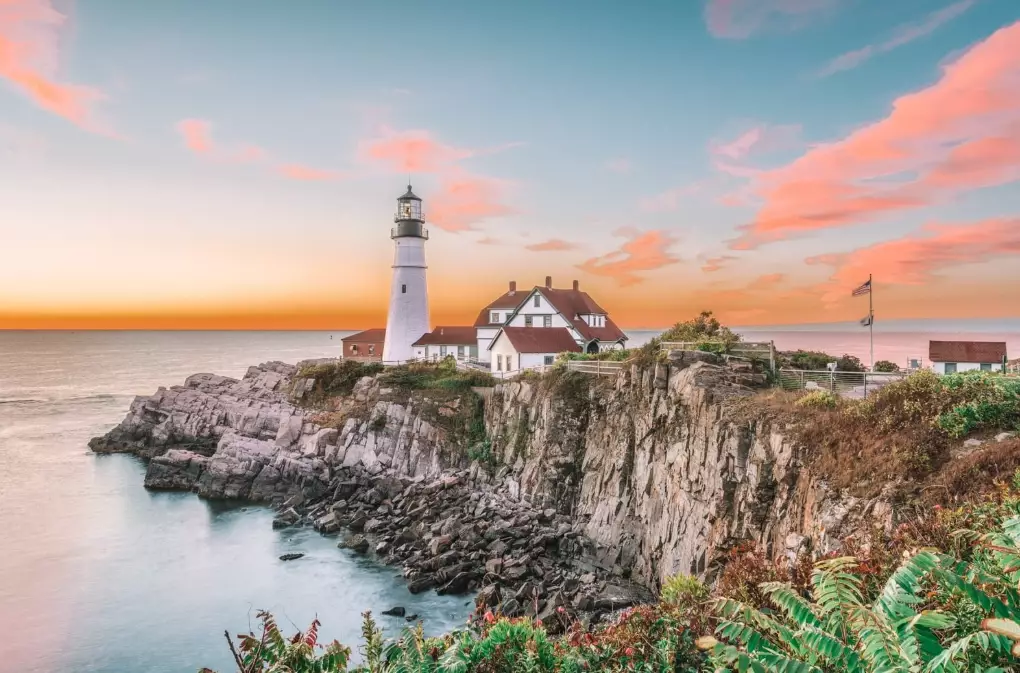
Your East Coast Trip at a Glance
New England's Historic & Coastal Charms
Think lighthouses, lobster rolls, fall foliage, and colonial history. This region is best explored at a slower pace.
Acadia National Park, Maine
This is my personal favorite for escaping the city grind. The common advice is to drive Park Loop Road (which you should), but to avoid the crowds at Cadillac Mountain for sunrise, consider the less-known Beech Mountain Trail for sunset instead. You get panoramic views without the 4 AM alarm. Parking is a real issue from July to October. The Island Explorer shuttle bus is free and saves the headache. The park entrance fee is $35 per vehicle (valid 7 days). If you're visiting multiple national parks in a year, get the $80 America the Beautiful pass.
Boston, Massachusetts
Walk the Freedom Trail. It's a 2.5-mile red-brick path connecting 16 historic sites. You can do it yourself for free, but a guided tour from the Freedom Trail Foundation (around $15) brings the stories to life. Skip the long line at Fenway Park for a tour—just buy a cheap ticket to a game and soak in the atmosphere. For a classic Boston experience, take the public ferry (about $3.70) from Long Wharf to Charlestown Navy Yard instead of a pricey harbor cruise.
Mid-Atlantic Powerhouses: Cities & History
This is the heart of American history and some of its most dynamic urban centers. Be prepared for crowds and a faster pace.
New York City, New York
Beyond Times Square and the Statue of Liberty. A pro tip: book Statue of Liberty ferry tickets directly through the official operator, Statue City Cruises. Third-party sites charge hefty fees. For skyline views, Top of the Rock is often less chaotic than the Empire State Building. Use the subway—it's efficient. A 7-day unlimited MetroCard costs $34. Don't try to see every museum; pick two. The Metropolitan Museum of Art's suggested admission is $30 for adults, but you can pay what you wish if you're a New York state resident or a student from NY, NJ, or CT.
Washington D.C.
Almost all the major museums and monuments are free, which is incredible. The Smithsonian museums, the National Gallery, the monuments on the Mall—no tickets needed. The challenge is logistics. The National Museum of African American History and Culture requires free timed-entry passes released online weeks in advance. Set a reminder. A hidden gem is the National Arboretum, home to the old Capitol columns. It's vast, peaceful, and free. Use the DC Circulator bus for cheap, easy transport between key areas.
Philadelphia, Pennsylvania
More than just the Liberty Bell (which is free to see). The Independence Hall tour requires a timed ticket from the visitor center. Get there early. The real magic is in the neighborhoods: Reading Terminal Market for food (try the roast pork sandwich from DiNic's), and the Philadelphia Museum of Art steps for that Rocky moment.
| City | Can't-Miss Attraction | Pro Tip / Hidden Cost | Best For |
|---|---|---|---|
| New York City | Central Park & a Museum | Book attractions online to skip lines. Hotel taxes are high. | Culture, Energy, Foodies |
| Washington D.C. | The National Mall | Reserve passes for popular museums MONTHS ahead. Summer is brutally hot/humid. | History, Families, Free Activities |
| Philadelphia | Independence National Park | Stay near Center City. The "Philly Pass" is rarely worth it. | American History, Food |
Southern Sun, History & Beaches
The pace slows, the accents change, and the history gets more complex, centered on colonial life, plantations, and the Civil War.
Charleston, South Carolina
It's stunningly beautiful, but the historic district is small and can feel overrun. Visit in shoulder seasons (March-April, Oct-Nov). Take a historic house tour like the Nathaniel Russell House ($12) to understand the architecture and the city's past. For a powerful and necessary perspective on that past, visit the International African American Museum. A short drive away are beaches like Folly Beach for a relaxed vibe.
Savannah, Georgia
Unlike Charleston, Savannah's historic district is built around a series of public squares, making it perfect for wandering. You can legally walk around the historic district with an open container in a plastic cup. The city's walkability is its biggest asset. For a spooky, authentic tour, book a walking ghost tour that focuses on history, not just jump scares.
Florida's East Coast: Miami & Orlando
These are worlds apart. Miami's South Beach is about art deco, nightlife, and Cuban culture in Little Havana. Parking is expensive and difficult; use rideshares. Orlando is a universe of theme parks. This is where budgets explode. A one-day ticket to Disney World can exceed $150 per person. Stay off-site at a condo with a kitchen to save on food. My controversial take? For a first-time visitor with limited time, Universal Studios often delivers more "bang for your buck" with its immersive Harry Potter lands connected to the rest of the park.
How to Plan Your East Coast Itinerary
Don't try to see Maine and Florida in one go. Pick a region or a theme.
The 7-Day City Slicker: Fly into NYC (3 days), take the Amtrak Acela to Washington D.C. (3 days), train to Philadelphia (1 day), fly out of Philly. This minimizes travel time and maximizes urban exploration.
The 10-Day Classic Road Trip: Boston (2 days) → drive to Newport, RI (1 day) → New York City (3 days) → drive to Philadelphia (1 day) → Washington D.C. (3 days). This covers major hubs with manageable drives (4-5 hours max between stops).
The 14-Day Deep Dive: Washington D.C. (3 days) → drive to Charlottesville, VA for wine country (1 day) → Charleston (3 days) → Savannah (2 days) → drive down the Atlantic Coast to St. Augustine, FL (2 days) → end in Orlando or Miami (3 days). This is for those who love history, food, and a gradual climate change.
Realistic Budget & Travel Tips for the East Coast
Let's be honest, the Northeast Corridor (Boston to D.C.) is expensive. A mid-range hotel room can easily cost $200-$300/night in cities. Ways to save:
- Travel Off-Peak: September/October and April/May offer great weather with slightly lower prices (except fall in New England).
- Use Public Transit & Trains: Amtrak's Northeast Regional is often cheaper and less stressful than flying between close cities like NYC, Philly, and D.C. Book early for the best fares.
- Eat Like a Local: Skip the tourist-trap restaurants near major sites. Walk a few blocks away. Hit up food markets (Reading Terminal, Chelsea Market) for cheaper, authentic options.
- City Tourism Cards: Do the math. If you plan to visit 3+ paid attractions in one city in two days, a pass like the New York CityPASS might save you 30%.
The biggest hidden cost? Parking. In city centers, expect $40-$60 per day. Always check if your hotel charges for parking (often $50+).
Your East Coast Travel Questions Answered
What is the absolute best time of year for an East Coast USA road trip?
Late September through mid-October is the sweet spot for the northern half. You catch the fall foliage in New England, the summer crowds have thinned, and the weather is crisp and perfect for walking. For the southern states (Carolinas, Georgia, Florida), spring (March to May) is ideal before the intense summer heat and humidity set in.
How can I save money on an East Coast trip without missing out?
Focus on cities with abundant free attractions, like Washington D.C. Balance a pricey city like New York with a stay in a smaller town. Use hotel points or consider vacation rentals with kitchens to cut food costs. The single biggest saver is booking everything—flights, hotels, rental cars, even major attraction tickets—as far in advance as possible. Prices only go up.
 Is it better to fly between destinations or drive the East Coast?
It depends on your route. For the dense corridor from Boston to Washington D.C., the train is frequently superior to both. It drops you in city centers, you avoid traffic and airport hassle. For a trip that includes coastal areas, national parks, or the South, a car is essential for flexibility. Just budget for tolls (the NJ Turnpike, I-95) and expensive city parking.
What's one underrated place on the East Coast that most tourists overlook?
Asheville, North Carolina. It's in the mountains, not on the coast, but it's a fantastic add-on. It has the incredible Biltmore Estate, a thriving craft beer scene, and access to the Blue Ridge Parkway for hiking. It provides a completely different, relaxed, and scenic contrast to the coastal cities.
How many days do I need for a good East Coast trip?
Trying to "do the East Coast" in under 10 days will leave you rushed. A solid two-week trip allows you to explore one region in depth, like New England or the Mid-Atlantic cities plus the Carolinas. For a first-time visitor wanting the highlights, a 10-day trip focusing on Boston, NYC, and D.C. is a realistic and rewarding introduction.
Reader Comments