Let's be honest. Searching for "good places to visit" online is overwhelming. You get bombarded with top 10 lists that all recommend the same spots, filled with stock photos and vague descriptions. It's hard to know what's actually worth your time and money. A good place for a foodie isn't the same as a good place for a hiker. A great spot for a solo traveler might be a nightmare for a family with young kids. This guide is different. We're not just listing destinations; we're giving you a framework to find the ones that are good for you, followed by specific, actionable deep dives into places that consistently deliver exceptional experiences.
Your Quick Travel Guide
What Makes a Place "Good" to Visit?
Forget the Instagram checklist. A truly good place to visit creates a feeling, a memory that sticks. It's less about ticking off landmarks and more about the texture of the experience. Does the local food make you stop and savor? Do you get lost in a neighborhood and feel happy about it? Can you find moments of peace or genuine connection?
I've been traveling for over a decade, and my biggest lesson is this: the best places have a balance. They offer something iconic and something authentic. They're accessible but not completely overrun (or they have secret corners that are). They challenge you just enough to feel rewarding.
A Simple Framework to Choose Your Next Destination
Before you look at a single photo, ask yourself these three questions. It saves countless hours of indecision.
1. What's Your Travel Style & Energy Level?
Be brutally honest. Are you a go-go-go museum marathoner, or do you need a cafe and a book by 3 PM? Do you want nightlife, or stargazing? A city break in Tokyo demands different energy than a coastal road trip in Portugal. Matching the destination's pace to your own is the #1 predictor of trip satisfaction.
2. What Season Is It, Really?
"Summer in Europe" sounds great, but it means crowds, heat, and high prices in major capitals. That same season could be perfect for hiking in the Canadian Rockies or exploring the coastal towns of Nova Scotia. Shoulder seasons (late spring/early fall) are often the secret sweet spot for many good places to visit, offering better weather and fewer people than peak winter or summer.
3. The Hotspot vs. Hidden Gem Balance
You don't have to choose one or the other. The trick is to use major hubs as a base to explore lesser-known areas. Fly into Barcelona, but spend half your time in Girona or the Costa Brava. Use Kyoto as a base for day trips to rural Kanazawa or the Kumano Kodo pilgrimage trails. This strategy gives you the convenience of a major airport with the soul of a more local experience.
Curated Spots: A Deep Dive into Three Versatile Cities
These cities are perennial favorites for a reason—they're layered. They work for first-timers and repeat visitors, offering iconic sights alongside endless opportunities for personal discovery.
| City | Why It's a Good Place to Visit | Don't Miss (Beyond the Obvious) | Practical Tip |
|---|---|---|---|
| Tokyo, Japan | A mesmerizing blend of hyper-modern and deeply traditional. Impeccably clean, safe, and endlessly fascinating at every turn. | The teamLab Borderless digital art museum (book weeks ahead), the depachika (department store basement food hall), and a quiet stroll in Yanaka Ginza, an old-world neighborhood that survived WWII. | Get a Pasmo/Suica card for all transit. For the best food, wander side streets in non-touristy neighborhoods like Kagurazaka. |
| Kyoto, Japan | The heart of traditional Japan. Thousands of temples, sublime gardens, and geisha culture. A slower, more contemplative pace than Tokyo. | Wake up for Fushimi Inari Shrine at 7 AM to beat the crowds. Visit the Philosopher's Path in the late afternoon. Have a kaiseki meal in the Gion district. | Use buses or rent a bike. Temple fatigue is real—pick 2-3 per day max. Stay in a machiya (traditional townhouse). |
| Paris, France | It's famous for a reason. The architecture, the cafe culture, the art, the sheer beauty of its streets. It's a city to be lived in, not just seen. | The Marché des Enfants Rouges (oldest covered market), the view from the Galeries Lafayette rooftop (free!), and the lesser-known Musée de la Chasse et de la Nature. | Master the metro. Buy museum tickets online. Spend time just sitting in a neighborhood park like the Place des Vosges. |
My Non-Consensus Take: In Paris, skip the hour-long line for the Louvre's Mona Lisa on your first visit. Instead, pick one wing (like the French paintings) or a smaller museum like the Musée d'Orsay or the Musée de l'Orangerie (for Monet's Water Lilies). You'll see masterpieces without the claustrophobic crowd, which makes for a much better experience.
Beyond Cities: Nature & Culture Immersion
Sometimes the best places to visit aren't urban at all.
For Dramatic Landscapes: Iceland's Ring Road
This is a commitment, but it's the definition of an epic road trip. You'll see waterfalls, glaciers, black sand beaches, and geothermal pools over 7-10 days. Rent a campervan for the ultimate flexibility. Key stops: Seljalandsfoss, Jökulsárlón glacier lagoon, and the Myvatn geothermal area. Best time: June-August for midnight sun, or September for northern lights and fewer people.
For Culture & History: Rajasthan, India
Overwhelming in the best way. The colors, the palaces, the chaos, and the kindness. It's a full-sensory experience. Don't try to see everything. Focus on the "Golden Triangle" (Delhi, Agra for the Taj Mahal, Jaipur) or add Udaipur (the lake city) and Jodhpur (the blue city). Hire a driver for inter-city travel—it's affordable and reduces stress.
For a Slower Pace: The Azores, Portugal
This mid-Atlantic archipelago is for hikers, whale watchers, and hot spring lovers. It's lush, volcanic, and feels wonderfully remote while still being part of Europe. São Miguel is the main island, but hopping to Pico or Faial is worth it. You can hike a mountain and soak in a thermal pool in the same day.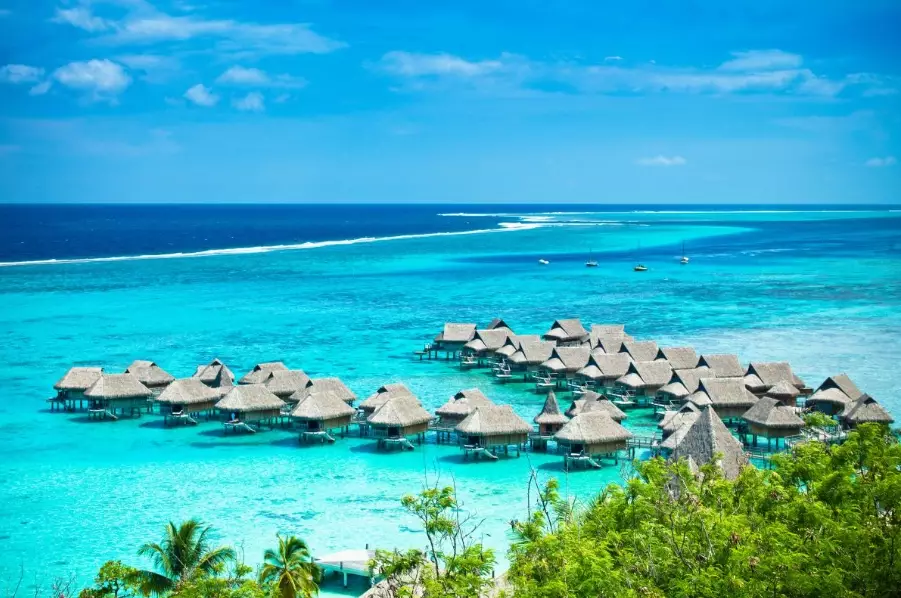
Making It Happen: Planning & Logistics
Finding good places to visit is half the battle. Getting there smoothly is the other half.
Accommodation: Location trumps luxury. Being able to walk to a metro stop or a neighborhood with cafes is worth more than a fancy hotel on a highway. I use booking sites to compare, but often book directly with the hotel or a local guesthouse for better service or perks.
Getting Around: Research local transit apps before you go. Citymapper is fantastic for many major cities. In places like Japan or Switzerland, rail passes can be huge money-savers, but do the math first—sometimes point-to-point tickets are cheaper.
Budgeting Reality: Everyone's budget is different. A good rule is to overestimate daily costs by 20%. That buffer covers the unexpected amazing meal, the taxi when you're tired, or the souvenir you actually want. Prioritize spending on experiences unique to the place (a cooking class in Italy, a boat tour in Norway) over things you can do anywhere.
Your Questions, Answered
 Is it better to deeply explore one country or see multiple countries in one trip?
Reader Comments