I remember my first time at the Roman Colosseum. The scale was breathtaking, yes, but what stuck with me was the sheer density of people. It felt less like stepping into history and more like navigating a very old, very crowded stadium. That trip taught me a lesson: seeing Italy’s iconic attractions requires more than just showing up. It needs a plan. Over the years and many visits later, I’ve learned how to experience these places deeply, not just check them off a list. This guide is for anyone who wants to see Italy’s greatest hits—the Colosseum, the Duomo, the canals of Venice—but do it smartly, avoiding the classic pitfalls that can turn wonder into frustration.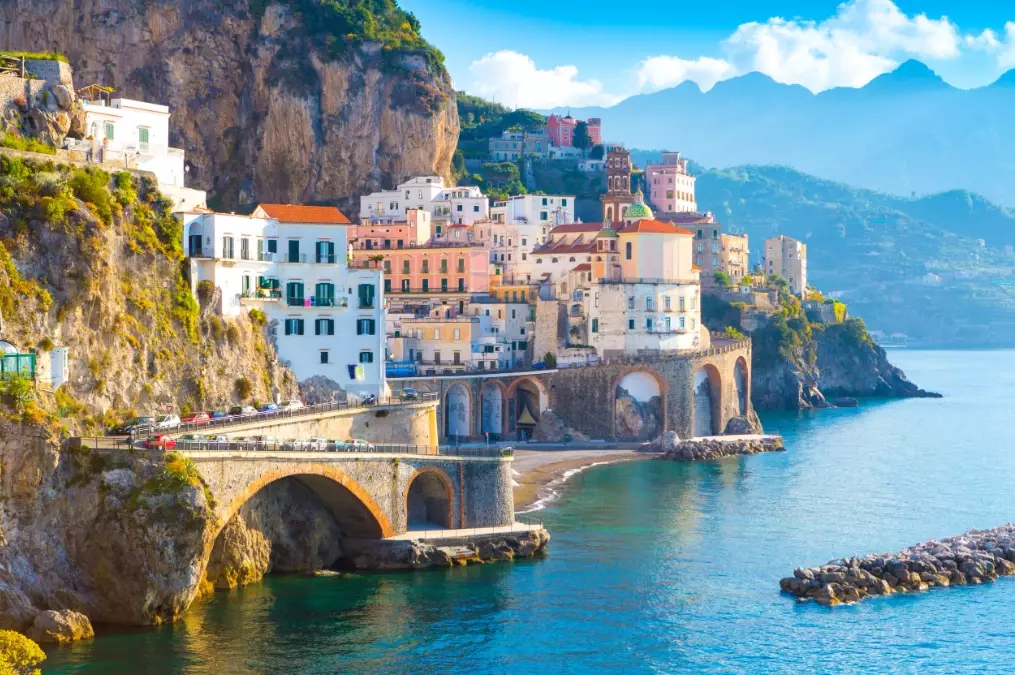
Your Italy Travel Blueprint
The Non-Negotiable Classics: Rome, Florence, Venice
Let’s start with the big three cities. You can’t talk about Italy without them. Each is a universe of art, history, and culture, but they demand different approaches.
Rome: The Eternal City’s Heavy Hitters
Rome is layers upon layers of history. You’ll be walking past a modern shop and glance down at 2,000-year-old stones.
The Vatican Museums and Sistine Chapel are a separate kingdom. The dress code (covered shoulders and knees) is strictly enforced. The "skip-the-line" ticket is non-optional; it’s a survival tool. Consider the "Prime Experience" early entry tour if your budget allows—seeing the Sistine Chapel in relative quiet is magical. St. Peter’s Basilica is free to enter but has a massive security line. Go early (before 8:30 AM) or late (after 4 PM).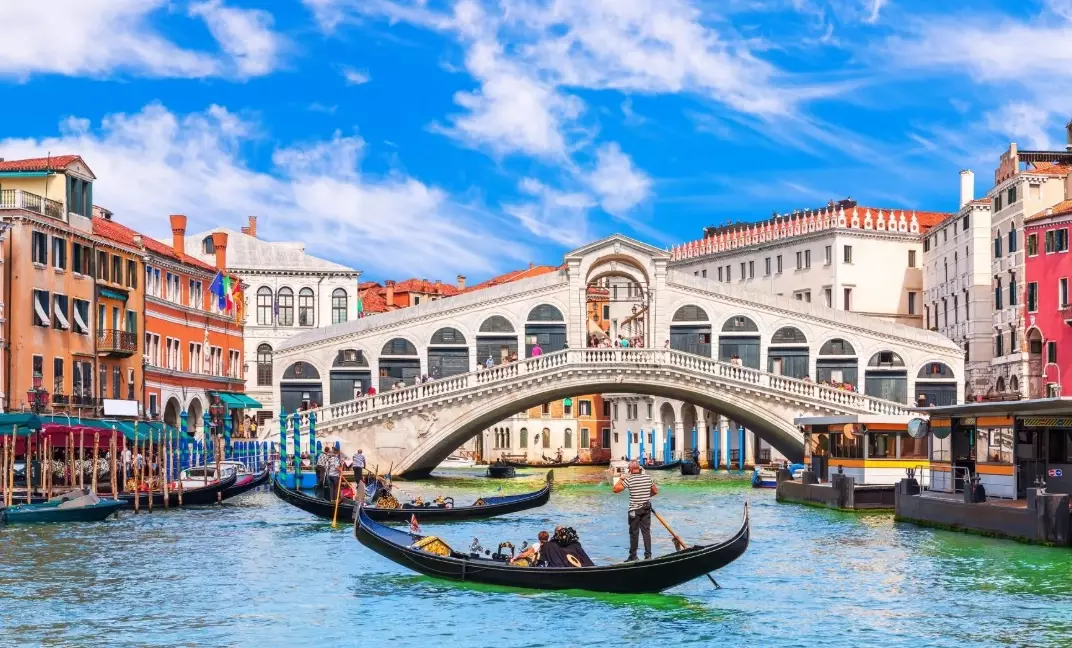
Florence: The Cradle of the Renaissance
Florence is smaller, more walkable, but its artistic concentration is insane.
The Duomo Complex is actually several attractions: the Cathedral (free entry), Brunelleschi’s Dome (requires a timed ticket and a 463-step climb), Giotto’s Bell Tower, the Baptistery, and the Museo dell’Opera del Duomo. Buy the "Brunelleschi Pass" online. It covers everything and lets you book your dome climb slot. Climbing the dome is strenuous but the view over the terracotta rooftops is the definitive Florence moment.
The Uffizi Gallery and Galleria dell’Accademia (home to Michelangelo’s David) are the other two must-book-ahead tickets. The official site is uffizi.it. Pro tip: Many people rush to David and leave. The surrounding rooms of the Accademia, with Michelangelo’s haunting "Slaves," are arguably more powerful.
Venice: The Floating Masterpiece
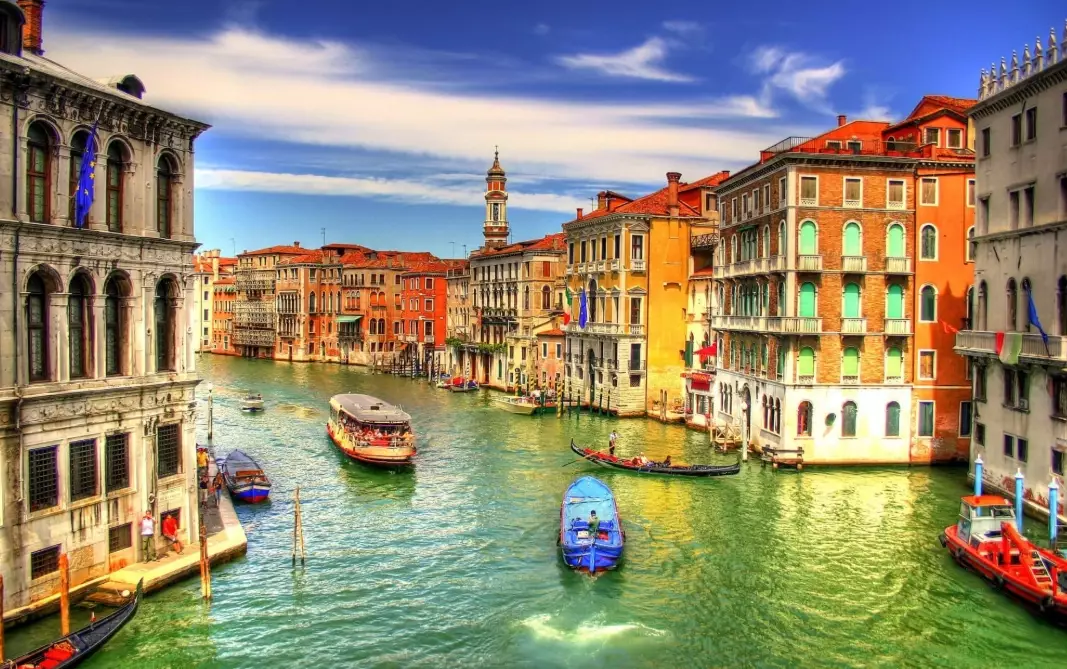
Venice’s main attraction is Venice itself. Getting lost in its alleys is the point. But there are focal points.
St. Mark’s Square (Piazza San Marco) is the heart. St. Mark’s Basilica is free, but the line is eternal. Book a timed entry online for a small fee. The adjacent Doge’s Palace requires a ticket. Get the combined "San Marco Museum Pass." The Bridge of Sighs is viewed from outside.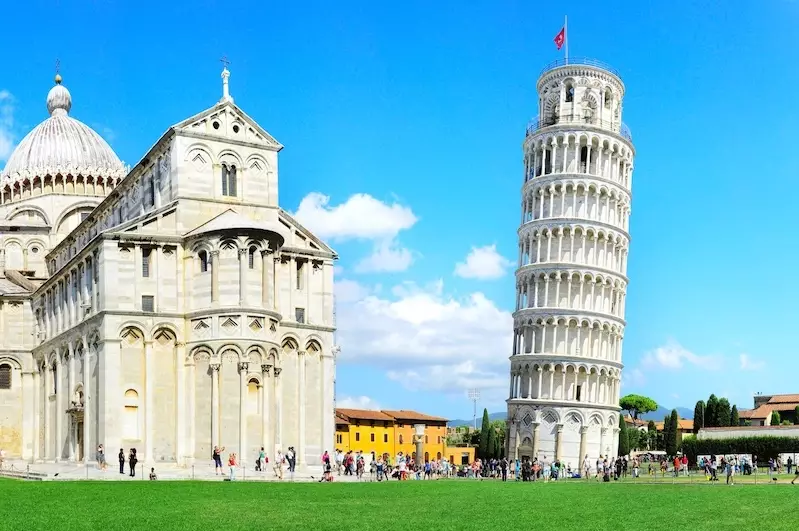
| City | Top Attraction | Key Booking Tip | Nearest Transport Hub |
|---|---|---|---|
| Rome | Colosseum & Roman Forum | Book "Full Experience" ticket on CoopCulture weeks ahead. | Colosseo Metro Station |
| Florence | Duomo (Brunelleschi's Dome) | Purchase "Brunelleschi Pass" for timed dome entry. | Firenze S.M.N. Train Station |
| Venice | St. Mark's Basilica & Doge's Palace | Reserve Basilica entry time online. Get combined museum pass. | Vaporetto stops: San Marco or San Zaccaria |
How to Plan Your Italy Trip Itinerary
Here’s a realistic 7-day framework for first-timers, focusing on quality over quantity.
Days 1-3: Rome. Day 1: Colosseum, Forum, Palatine Hill. Wander to the Trevi Fountain (go late at night for fewer crowds) and Pantheon. Day 2: Vatican City (Museums, Sistine Chapel, St. Peter’s). Evening in Trastevere for dinner. Day 3: Explore lesser sites like the Capitoline Museums or the Baths of Caracalla, or take a half-day trip to Ostia Antica, Rome’s ancient port (an underrated alternative to Pompeii if you’re short on time).
Days 4-5: Florence. Take a morning high-speed train from Rome (about 1.5 hours). Day 4: Duomo climb, explore the historic center, Ponte Vecchio. Day 5: Uffizi Gallery in the morning, Accademia in the afternoon. Sunset at Piazzale Michelangelo is mandatory.
Days 6-7: Venice. Morning train from Florence (about 2 hours). Day 6: St. Mark’s Square complex. Get lost in Dorsoduro and San Polo districts. Day 7: Visit the islands of Murano (glass) and Burano (colorful houses) by vaporetto, or simply wander more. Leave Venice from Marco Polo Airport (VCE) or take a train out.
Trying to add the Amalfi Coast or Milan to this is a recipe for exhaustion. Italy isn’t going anywhere. See less, experience more.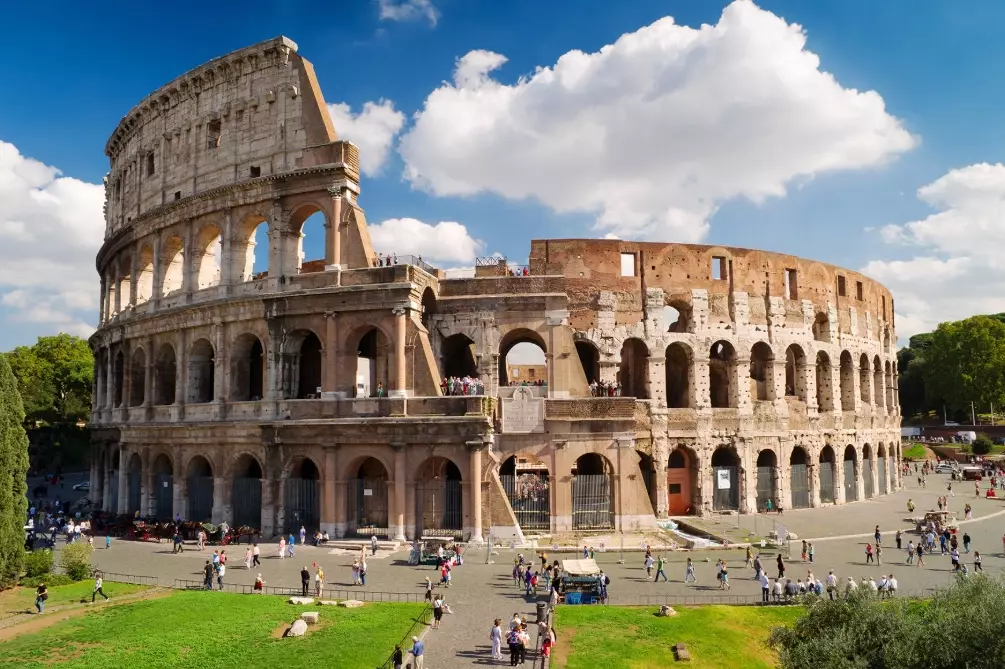
Practical Tips for a Smoother Italian Adventure
This is the stuff that separates a good trip from a great one.
Tickets & Crowds: I’ve said it before, I’ll scream it: book major attractions online, directly from the official venue website, as soon as your dates are firm. Third-party resellers charge massive markups. For city-wide passes (like the Roma Pass), do the math. They often only break even if you plan to museum-hop at a frantic pace.
Transport Between Cities: Italy’s high-speed train network (Trenitalia Frecciarossa, Italo) is fantastic. Book tickets in advance on their websites or apps for the best fares. Regional trains are cheaper but slower, fine for short hops like Florence to Pisa.
Sustainable Travel & Overtourism: Venice now charges a day-tripper access fee during peak periods. Consider staying overnight to experience the city after the crowds leave. In all cities, eat away from the main squares. A restaurant three streets over will be cheaper, better, and full of locals. Support smaller, family-run shops and agriturismi (farm stays) in the countryside.
Beyond the Big Three: Italy’s Hidden Gems
If you have more time, or on a return trip, these places offer incredible rewards with fewer tour groups.
Bologna: The food capital. No mandatory reservations, just incredible trattorias. The porticoes, medieval towers, and vibrant university atmosphere make it a living city, not just a museum.
Matera: In the southern region of Basilicata, this city of ancient cave dwellings (Sassi) is unlike anywhere else. A UNESCO site and European Capital of Culture, it’s hauntingly beautiful. Stay in a cave hotel for a unique experience.
Val d’Orcia, Tuscany: This is the postcard-perfect rolling hills landscape. Towns like Pienza, Montalcino, and Montepulciano offer wine, pecorino cheese, and views that will slow your heart rate. You need a car here.
The mistake? Trying to squeeze in Cinque Terre on a rushed itinerary. It’s stunning, but overcrowded. If you crave coastal beauty, consider the less-trodden Ligurian villages like Camogli or the Cilento coast south of the Amalfi.
Italy Travel FAQs: Your Questions Answered
 How much should I budget per day for visiting Italy’s top attractions?
Reader Comments