So you're thinking about places to travel on the East Coast. Good call. It's not one thing—it's a dozen different trips packed into one coastline. You've got the non-stop energy of New York City, the profound history of Washington D.C., the cobblestone charm of Boston, and the raw, misty beauty of the Great Smoky Mountains. The challenge isn't finding something to do; it's figuring out how to piece it all together without burning out or breaking the bank. I've been crisscrossing this coast for over a decade, and I still find new corners. Let's cut through the generic lists and build a trip that actually makes sense for you.
Your East Coast Travel Blueprint
Top City Destinations You Can't Miss
Most East Coast trips start with a city. Each has its own rhythm. Trying to hit all of them in one go is the classic rookie mistake—you'll spend more time on trains than in museums. Pick two, maybe three, and dig in.
New York City, New York
The elephant in the room. It's overwhelming, expensive, and utterly magnetic. Don't just chase Instagram spots. The real NYC is in the neighborhoods. Skip the hour-long wait for the Top of the Rock elevator at sunset. Instead, book a timed ticket for 10:00 AM on a weekday. You'll have the view practically to yourself. For a free, stunning perspective, take the Staten Island Ferry. It runs 24/7, and that photo of the Statue of Liberty with the Manhattan skyline? Unbeatable.
NYC Fast Facts
Must-See: Central Park (free), The Metropolitan Museum of Art (suggested admission $30, address: 1000 5th Ave), Brooklyn Bridge walk (free, access from Brooklyn Bridge Park).
Pro Tip: Use the MTA subway. A 7-day unlimited MetroCard costs $34. Avoid cabs for cross-town trips; traffic is a nightmare.
My Personal Favorite Bite: Joe's Pizza in Greenwich Village (7 Carmine St). It's a no-frills slice that defines NYC pizza. Open until 4 AM.
Washington D.C.
It feels different. Wider streets, more marble, a sense of weight. The amazing part? The core of it is free. The Smithsonian museums, the National Mall, the monuments. You can spend days without spending a dime on admission. The biggest error people make is not reserving timed-entry passes for the big-ticket items that do require them, like the National Museum of African American History and Culture. Those passes are released online weeks in advance and vanish quickly.
Washington D.C. Fast Facts
Must-See: All Smithsonian museums (free), Lincoln Memorial (free, open 24/7), U.S. Capitol Tour (free, book via visitthecapitol.gov).
Pro Tip: Stay in a neighborhood like Dupont Circle or Foggy Bottom. You'll have better food options and can often walk to the Mall.
Best Way to See the Monuments at Night: Rent a Capital Bikeshare bike. The paths are lit, the crowds are gone, and the views are breathtaking.
Boston, Massachusetts
Walkable, historic, and proud of it. The Freedom Trail is the obvious start—a 2.5-mile red brick line connecting 16 historic sites. But don't just follow the line like a zombie. Pop into the Old North Church (193 Salem St, admission $5) where the lanterns were hung. Have a pint at the Bell in Hand Tavern, America's oldest continuously operating tavern. In the fall, take a short train ride to Salem for its infamous witch trial history—but book accommodations months ahead for October.
Charleston, South Carolina & Savannah, Georgia
I'm grouping these because they're often paired on a southern itinerary. Charleston feels more polished, with its pastel-colored houses and renowned food scene. Savannah is more relaxed, with its iconic Spanish moss-draped squares and open-container laws in the historic district. For a unique stay in Savannah, look into the Kehoe House (123 Habersham St), a beautiful historic inn. In Charleston, you haven't really been until you've eaten she-crab soup. Try it at 82 Queen (82 Queen St).
| City | Best For | Ideal Visit Length | Budget Note |
|---|---|---|---|
| New York City | Energy, Arts, Food | 4-5 Days | High. Focus on free sights/parks. |
| Washington D.C. | History, Museums, Politics | 3-4 Days | Low (for attractions). Hotels can be pricey. |
| Boston | History, Walking, Academia | 2-3 Days | Moderate. Good public transit. |
| Charleston/Savannah | Charm, Food, Relaxed Pace | 2-3 Days Each | Moderate. Great for B&Bs. |
Nature & Outdoor Adventures Beyond the Cities
The East Coast's natural beauty is its secret weapon. It's not just beaches (though there are plenty). It's ancient mountains, dense forests, and rocky coastlines.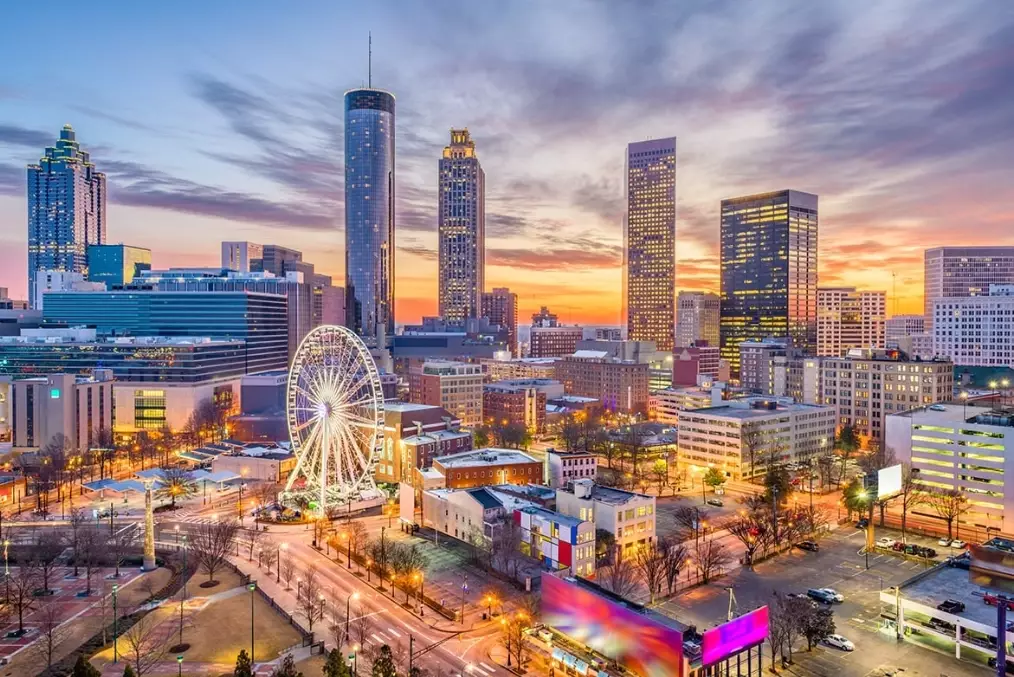
Great Smoky Mountains National Park
Straddling North Carolina and Tennessee, it's the most visited national park in the U.S. for a reason—and it's free. The name comes from the natural blue haze that hangs over the mountains. Go for the hiking. Trails range from the easy, 1-mile round-trip to Laurel Falls to the challenging, 11-mile round-trip to the summit of Mount LeConte. The park is massive. If you're staying in Gatlinburg, TN, prepare for tourist-town kitsch. For a more authentic feel, stay on the North Carolina side in Cherokee or Bryson City. Check the National Park Service website for real-time traffic and parking info—Cades Cove and Clingmans Dome can get jammed by 10 AM.
Acadia National Park, Maine
This is where the mountains meet the sea. The star is Cadillac Mountain, one of the first places in the U.S. to see the sunrise. You now need a vehicle reservation for the Cadillac Summit Road from May through October. Book these online well in advance. Don't just do the drive. Hike the Beehive Trail (iron rung ladders, not for the faint of heart) or the Ocean Path for stunning coastal views. Bar Harbor is the gateway town. It's charming but packed in summer. Consider staying in Southwest Harbor for a quieter vibe.
The Florida Keys
Technically the southern tip of the East Coast, it's a world of its own. Driving the Overseas Highway (US-1) from Miami to Key West is a rite of passage. It's about 3.5 hours of driving without stops, but you must stop. Feed the tarpon at Robbie's in Islamorada, snorkel at John Pennekamp Coral Reef State Park in Key Largo, and catch the sunset celebration at Mallory Square in Key West. This isn't a budget trip—accommodations, especially anything waterfront, are premium.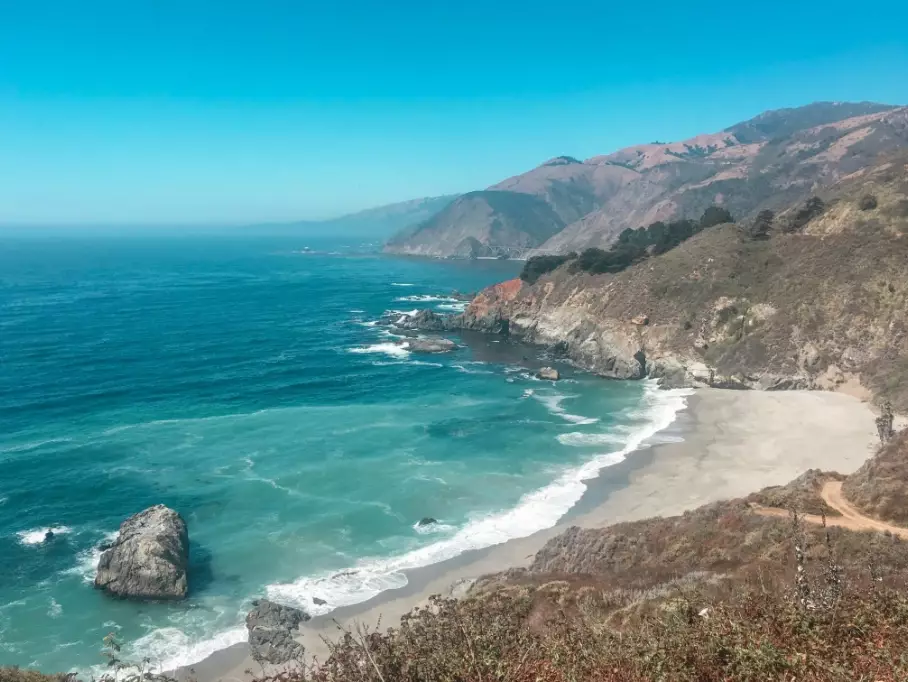
How to Plan Your East Coast USA Itinerary
This is where trips succeed or fail. Distance is the main factor. Boston to Washington D.C. is about 440 miles. Boston to Charleston is nearly 900. Be realistic.
The Classic 7-10 Day Northeast Corridor Trip
This is the most efficient first-timer's route. Fly into Boston, out of Washington D.C. (or vice-versa).
Days 1-3: Boston. Freedom Trail, Harvard Square, North End.
Day 4: Morning train from Boston to NYC (Amtrak Acela or Northeast Regional, ~3.5-4.5 hrs). Afternoon in NYC.
Days 5-6: NYC. Museums, Central Park, neighborhoods.
Day 7: Morning train from NYC to Washington D.C. (~3 hrs). Afternoon on the National Mall.
Days 8-10: Washington D.C. Museums, monuments, Georgetown.
You're moving, but the train travel is part of the experience and saves you airport hassle.
The 10-14 Day Coastal Explorer (with Nature)
For those with more time and a rental car.
Days 1-3: NYC.
Day 4: Rent a car, drive to Philadelphia (~2 hrs). See the Liberty Bell, eat a cheesesteak (Pat's vs. Geno's is a local sport). Drive to Washington D.C. (~2.5 hrs).
Days 5-6: Washington D.C.
Day 7: Drive to Shenandoah National Park, VA (~2 hrs). Skyline Drive.
Day 8: Drive to Great Smoky Mountains NP (~5.5 hrs).
Days 9-10: Explore the Smokies.
Day 11: Drive to Charleston, SC (~5.5 hrs).
Days 12-14: Charleston and/or Savannah.
This is a driving trip. Limit driving days to 6 hours max.
Practical Logistics: Where to Stay & How to Get Around
Between Cities: The Northeast Corridor (Boston-NYC-Philadelphia-Washington D.C.) is a train kingdom. Amtrak is your friend. Book tickets early for the best fares. For trips south of D.C. or into New England outside the corridor, you'll likely need a car.
Within Cities: Use subways (NYC, Boston, Washington D.C.), buses, and your feet. Ride-sharing adds up fast.
Where to Stay: In big cities, look for hotels near major subway hubs, not necessarily in Times Square or the Financial District. You'll get better value. In national parks, book lodges inside the park (like the LeConte Lodge in the Smokies, accessible only by hike) a year in advance, or look at gateway towns.
Your East Coast Travel Questions Answered
 How can I avoid the worst crowds at popular East Coast spots?
Reader Comments