Geneva isn't just a city of diplomats and bankers. It's a place where a colossal fountain shoots into the sky, where you can walk cobblestone streets that feel centuries removed from the sleek watch shops, and where a single museum might hold everything from Egyptian mummies to paintings by Van Gogh. If you're asking "what is there to do in Geneva?", the answer is more varied than you might think. Forget the cliché of it being just expensive and formal. With some local insight, you can uncover a city that's surprisingly vibrant, deeply historical, and nestled in one of Europe's most stunning lake-and-mountain settings.
I've visited Geneva multiple times, both as a wide-eyed tourist and later for work. The first time, I made the classic mistake of just ticking off the big sights near the lake and feeling a bit underwhelmed. It was on subsequent trips, wandering without a strict plan, that I found its character – in a tiny backstreet chocolate shop, a free summer concert in the park, and the view from a vineyard tram you won't find in every guidebook.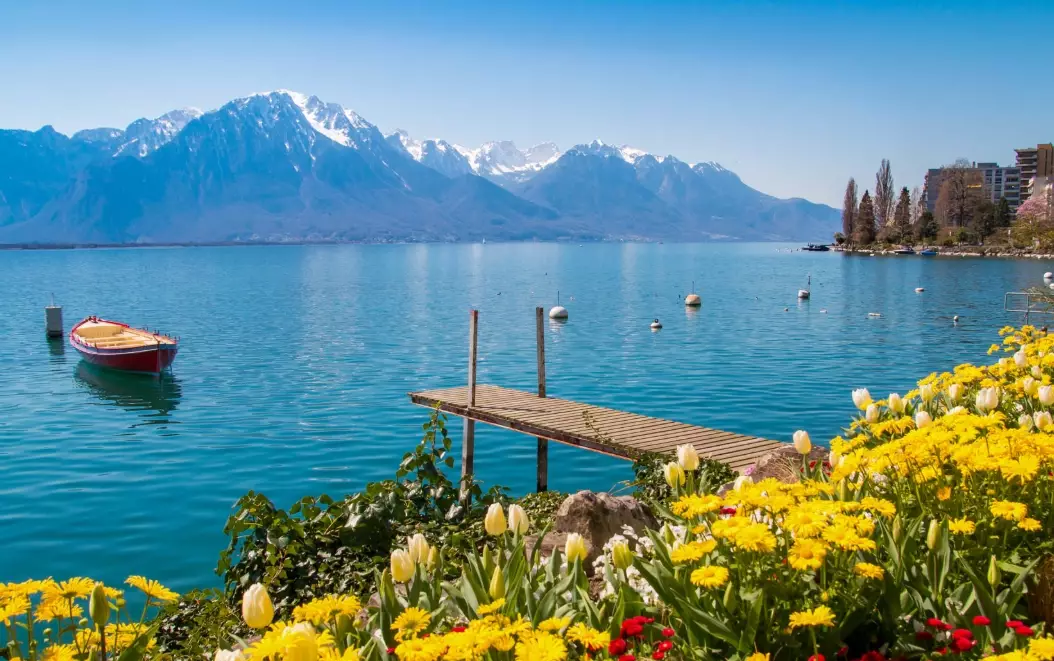
Your Geneva Adventure at a Glance
Iconic Landmarks You Can't Miss
Let's start with the postcard views. These are the Geneva attractions that define the city's skyline and are absolutely worth your time.
Jet d'Eau
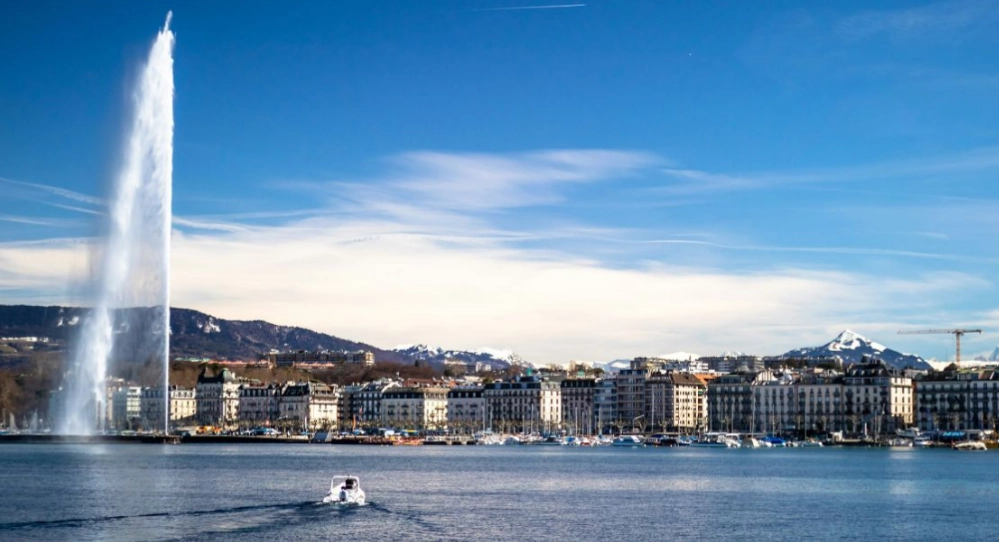
The 140-meter water jet is Geneva's beating heart. It's more impressive up close than you'd expect – the roar and the mist are visceral. The key is timing. On a sunny afternoon, walk to the tip of the Jetée des Eaux-Vives pier for the classic photo with the fountain and Mont Blanc (if the mountain is out). For a quieter, more magical experience, see it at dusk when it's lit up. It runs year-round, but schedules vary. In winter, it might be off on very windy days. Address: Quai Gustave-Ador. Best access: Tram 12 or bus 2 to "Jardin Anglais," then a 5-minute walk.
St. Pierre Cathedral & The Old Town (Vieille Ville)
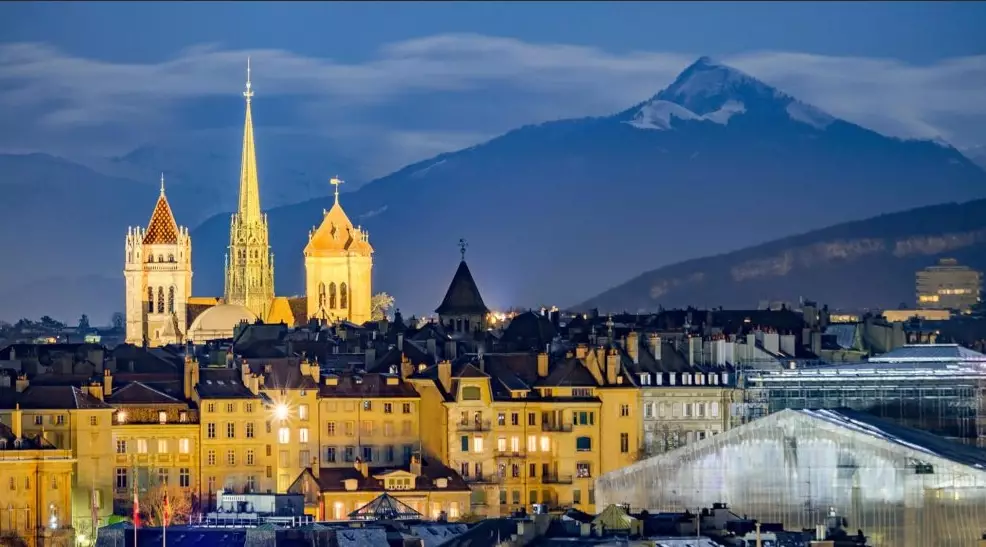
Don't just look at the cathedral, go inside and climb the North Tower. The 157 steps are a workout, but the 360-degree view over red rooftops to the lake and Alps is the best in the city. The archaeological site underneath the cathedral is a hidden gem, revealing layers of history back to Roman times. Afterward, get lost in the Old Town's steep, narrow streets. Place du Bourg-de-Four, the oldest square, is perfect for a coffee. Cathedral Entry: CHF 8 for adults (tower access included). Hours: Mon-Sat 10 am-5:30 pm, Sun 12 pm-5:30 pm (shorter in winter).
The United Nations & Broken Chair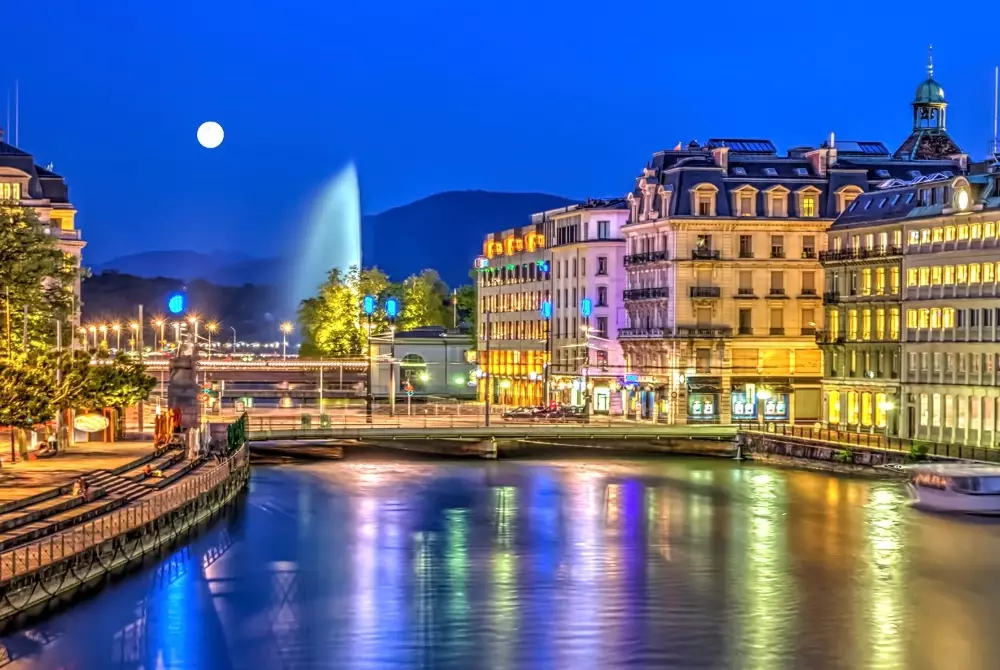
Even if you're not into politics, the Palais des Nations is awe-inspiring for its scale and symbolism. The guided tour is the only way to see the grand assembly halls and learn about the UN's work. Book online in advance. Right outside, the 12-meter-tall Broken Chair sculpture is a powerful monument against landmines and cluster bombs. Tour Info: Book at UNOG's official site. Tours run on weekdays, cost around CHF 18. Bring your passport for security.
Jardin Anglais & The Flower Clock
This lakeside park is where everyone gathers. The Flower Clock (L'Horloge Fleurie) in its southwest corner is a charming, ever-changing tribute to Swiss watchmaking. It's smaller than some imagine, but the floral designs are intricate. The park itself is ideal for a picnic with a view of the boats and the fountain.
The Reformation Wall
Tucked in the Parc des Bastions, this 100-meter-long monumental wall depicts the key figures of the Protestant Reformation. It's solemn, grand, and often peaceful. Play a game of giant chess on the boards nearby, a local favorite. Address: Parc des Bastions. Access: Free. A 10-minute walk from the Old Town.
Dive into Culture and History
Beyond the landmarks, Geneva's museums and cultural spots are world-class and often underrated.
Here’s a quick look at three top museums that offer very different experiences:
| Museum | What You'll Find | Address & Hours | Ticket & Tip |
|---|---|---|---|
| Patek Philippe Museum | The breathtaking history of watchmaking over 500 years. Stunning antique clocks and some of the most complex watches ever made. | Rue des Vieux-Grenadiers 7. Open Tue-Fri 2pm-6pm, Sat 10am-6pm. Closed Sun-Mon. |
CHF 10. Even if you're not a watch fanatic, the craftsmanship is mind-blowing. |
| International Red Cross and Red Crescent Museum | A deeply moving, immersive experience on humanitarian action. Not a typical museum; it's designed to provoke thought and empathy. | Avenue de la Paix 17. Open Wed-Mon 10am-6pm. Closed Tue. |
CHF 18. Allocate at least 2 hours. The audio guide is essential. |
| Museum of Art and History (MAH) | Geneva's "everything" museum. Archaeology, fine arts (including Konrad Witz's famous altarpiece), and applied arts under one roof. | Rue Charles-Galland 2. Open Tue-Sun 11am-6pm. Closed Mon. |
Free for permanent collections. A great rainy-day option. |
Carouge: The "Greenwich Village" of Geneva
Take tram 12 or 18 to Carouge. Suddenly, the architecture shifts from sober Genevan to colorful Italianate, with small squares and artisanal workshops. It feels like a different town. Browse independent designers, sip a drink on Place du Marché, and visit the Carouge market (Wed & Sat mornings).
A Unique Day Trip: Lavaux Vineyards by Train & Boat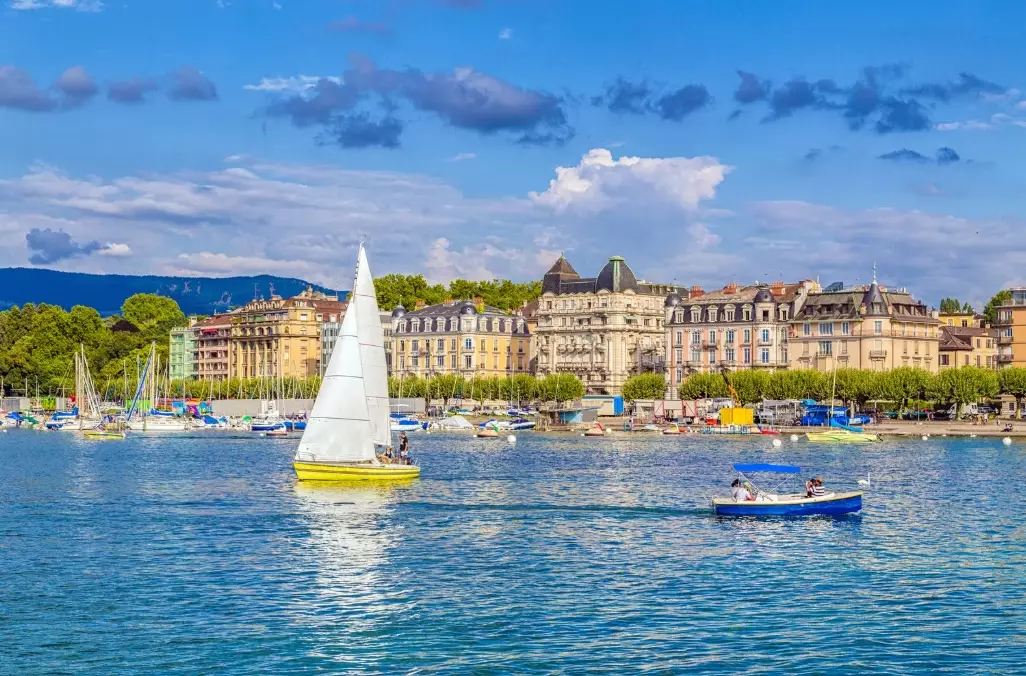
This is my top recommendation for a half-day or day trip. From Geneva's main station, a 1-hour train ride takes you to the Lavaux Vineyard Terraces, a UNESCO World Heritage site. Get off at "Chexbres-Village" or "Rivaz." You'll walk paths between vines that drop steeply to Lake Geneva. Then, take a local train down to "Lutry" or "Vevey" and catch a CGN boat back to Geneva. The 3-hour lake cruise is spectacular, passing castles and villages. Check the CGN website for seasonal timetables. A Swiss Travel Pass covers both train and boat.
Food, Chocolate & Shopping Districts
Where to Eat (Without Breaking the Bank)
Yes, Geneva is pricey, but you can eat well.
- For Fondue: Les Armures in the Old Town (Rue du Puits-St-Pierre 1) is historic and touristy but does a reliable classic. For a more local vibe, try Café du Soleil in Petit-Saconnex (Place du Petit-Saconnex 6). Expect around CHF 28-35 per person.
- For a Quick, Quality Lunch: Manora (Rue de Cornavin 6) is a cafeteria-style restaurant beloved by locals. Huge salad bar, hot dishes, and desserts for under CHF 20. It's always busy for a reason.
- For Chocolate: Skip the big brands on Rue du Rhône. Go to DuRhône Chocolatier (Boulevard Helvétique 36) for exquisite treats or Stettler (Rue de Rive 49) for their famous "Pavés" (chocolate cobblestones).
Where to Shop
Rue du Rhône & Rue du Marché: Luxury watches, jewelry, and high fashion. Window shopping is a sport here.
Plainpalais & Les Grottes: For vintage stores, record shops, and quirky boutiques.
Saturday Flea Market at Plainpalais: A sprawling market with everything from antiques to clothes to knick-knacks. Open from 7 am to 5 pm.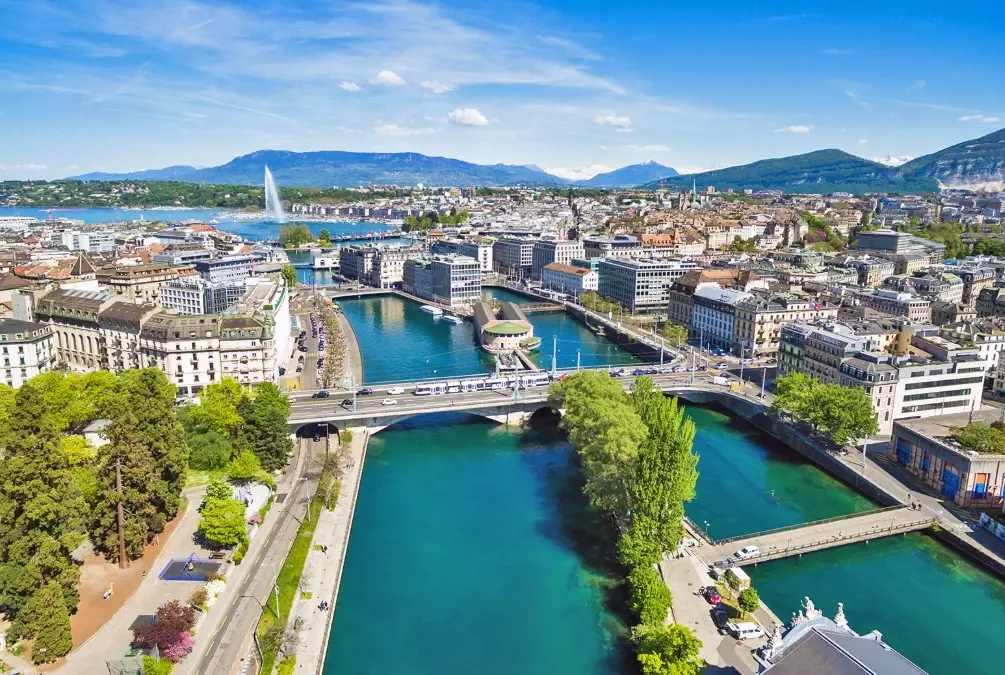
How to Get Around & Sample Itineraries
Getting Around Geneva Efficiently
Upon arrival at the airport or main train station (Cornavin), get a free Geneva Transport Card (Unireso) from your hotel or the ticket machine in the baggage claim. This gives you unlimited free travel on buses, trams, and yellow taxi-boats (Mouettes) across the city for the duration of your stay. It's a massive perk. The tram network is excellent; lines 12, 14, and 15 are your main arteries.
How to Structure Your Days: Itinerary Ideas
The Classic 1-Day Blitz:
Morning: Jet d'Eau & Jardin Anglais → Walk through the Old Town, climb St. Pierre Cathedral.
Afternoon: Choose one: UN Tour or Red Cross Museum or Patek Philippe Museum.
Evening: Dinner in Carouge (take tram 12/18).
A Perfect 2-3 Day Geneva Experience:
Day 1: Focus on the Right Bank (Rive Droite). Jet d'Eau, Old Town deep dive (include Reformation Wall), maybe the MAH museum.
Day 2: Focus on the Left Bank (Rive Gauche) and International District. UN Tour, Red Cross Museum, walk through the Parc de l'Ariana. Evening lake cruise.
Day 3: Choose your adventure: Day trip to Lavaux or explore Carouge and the Plainpalais market, followed by shopping or a relaxed afternoon in the Bains des Pâquis lakeside pool complex.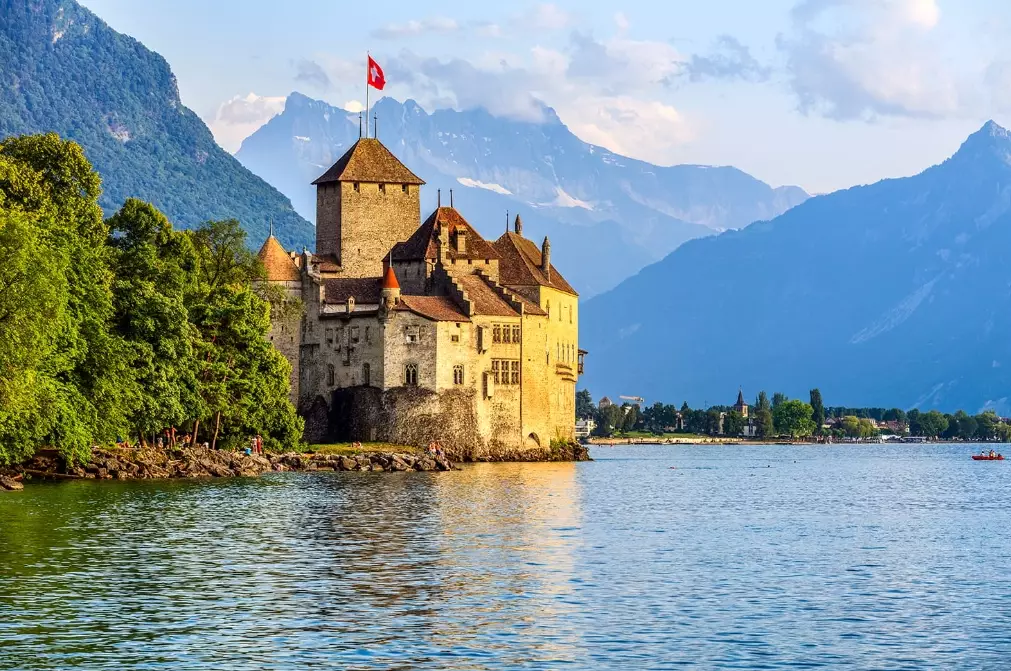
Your Geneva Questions Answered
 How can I experience Geneva on a tighter budget?
 So, what is there to do in Geneva? It's about mixing the monumental with the intimate. It's pairing a morning at the United Nations with an afternoon hunting for vintage finds in a quirky district. It's using that free transport card to discover that the city isn't just one note, but a harmony of lake, history, international spirit, and local Swiss life. Plan with a mix of must-sees and spontaneous exploration, and you'll find your own answer in its streets, on its lake, and from its mountain-view terraces.
Reader Comments