Let's cut to the chase. The East Coast of the United States isn't one thing. It's a thousand different trips packed into one long, incredible stretch of coastline. You've got the history-soaked bricks of Boston, the non-stop energy of New York City, the powerful quiet of Washington D.C., the soulful charm of the South, and the paradise beaches of Florida. Trying to "do the East Coast" in one go is like trying to eat a seven-course meal in one bite—overwhelming and you'll miss the flavor. After a decade of road-tripping, getting lost in small towns, and learning from my own expensive mistakes, I've put together the guide I wish I had. This isn't just a list of places. It's a blueprint for building your own perfect East Coast adventure, whether you have a long weekend or a whole month.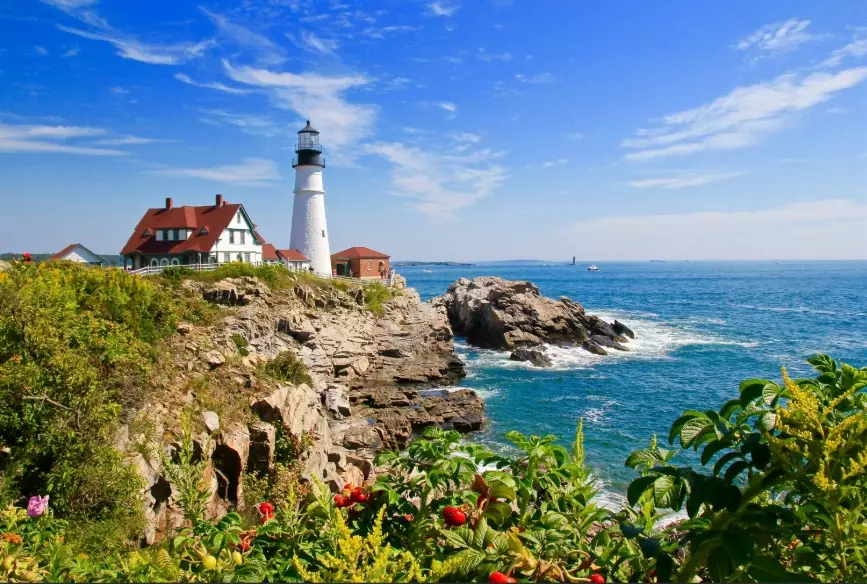
Your East Coast Navigation Map
Why Choose the East Coast for Your Next Trip?
Density and variety. That's the East Coast's superpower. In Europe, you cross a border for a new culture and language. Here, you drive a few hours. You can have a bagel in New York for breakfast, walk through centuries of American history in Philadelphia by lunch, and fall asleep to the sound of crickets on a South Carolina plantation. The infrastructure is easy—interstates connect everything, airports are plentiful, and you'll always find a place to stay. But the real magic happens when you get off that interstate. The mistake most first-timers make is rushing. They try to hit New York, D.C., and Miami in a week. You'll spend more time in traffic than anywhere else. Pick a region, or plan a one-way road trip with plenty of buffer days.
The Major City Breakdown: Where to Spend Your Time
You can't talk about the East Coast without its cities. They're the anchors. But they're not all the same, and your time is limited. Here’s a no-nonsense look at the big four.
New York City, New York
The beast. The icon. It's exhausting and exhilarating. A common error is sticking only to Midtown Manhattan—Times Square, Rockefeller Center. It's crowded, expensive, and frankly, not where the city's heart beats strongest.
Do this instead: Spend a morning walking the High Line, an elevated park on an old railway line. Grab lunch in Chelsea Market. Take the subway to Brooklyn, walk across the Brooklyn Bridge back to Manhattan at sunset (the view is toward the skyline, trust me). For a classic Broadway show, try the TKTS booth for same-day discounts. Don't rent a car here. Just don't.
Stay & Eat: Look for hotels in Long Island City (Queens) or Downtown Brooklyn for better value. For a real New York slice, hit Joe's Pizza in the West Village (7 Carmine St, open late). For a special dinner, Carbone in Greenwich Village requires a booking far in advance but is a classic NYC experience.
Washington D.C.
Clean, grand, and mostly free. The Smithsonian museums are unmatched and have no admission fee. The National Mall is bigger than it looks on TV—wear good shoes.
Pro Tip: Don't try to do more than two major museums in a day. You'll get museum fatigue. The Air and Space Museum is great, but the National Museum of African American History and Culture is a profound, must-see experience. You need timed-entry passes, which are free but released online weeks in advance. Book them the moment you know your dates.
Stay & Eat: Stay near a Metro station in neighborhoods like Foggy Bottom or Dupont Circle. For a taste of the city, head to the historic Florida Avenue Grill (1100 Florida Ave NW) for breakfast—it's been serving since 1944.
Boston, Massachusetts
Walkable, historic, and proud. The Freedom Trail is a 2.5-mile red-brick path linking 16 historic sites. It's a perfect DIY tour. The North End is Boston's Little Italy—get a cannoli at Mike's Pastry (cash only, expect a line).
Avoid: Driving in downtown Boston. The layout is famously confusing. Use the "T" (subway) or walk.
Miami, Florida
A complete shift in vibe. It's about art, nightlife, and the beach. South Beach (SoBe) is the famous postcard strip. The Art Deco Historic District is worth a walking tour. For a more local feel, cross the causeway to Wynwood, known for its massive street art murals and trendy cafes.
Stay & Eat: South Beach hotels are pricey and loud. Consider Coconut Grove or Coral Gables for a quieter stay. For authentic Cuban food, you can't beat Versailles Restaurant in Little Havana (3555 SW 8th St).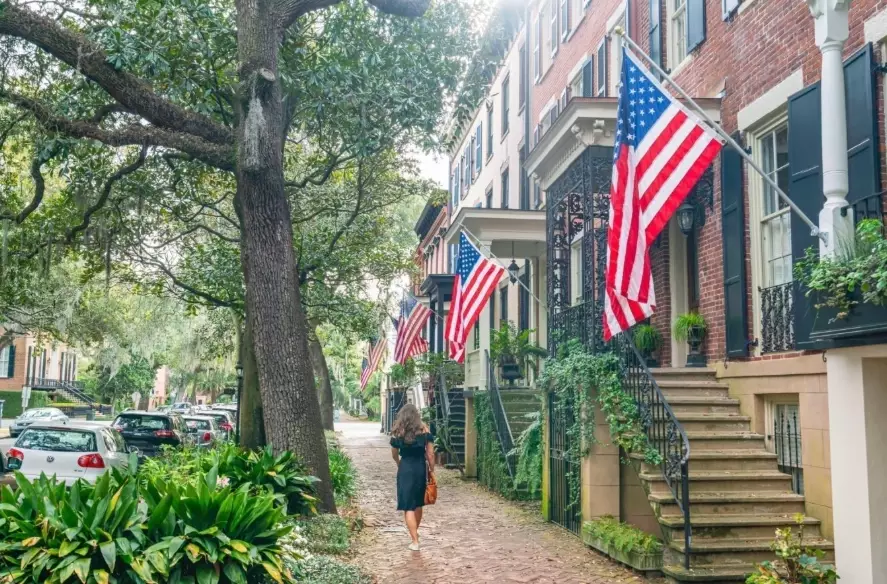
The Iconic East Coast Road Trip: A Realistic Plan
The dream is the open road from New England to Florida. The reality is traffic, tolls, and needing a plan. Here’s a sensible 10-14 day itinerary for the classic New York to Miami drive, focusing on quality over quantity.
| Leg of Journey | Key Stops & Activities | Drive Time | Where to Stay |
|---|---|---|---|
| New York City to Washington D.C. | Philadelphia Liberty Bell, Baltimore Inner Harbor | ~4.5 hrs (no stops) | Alexandria, VA (just outside D.C.) |
| Washington D.C. to Charleston, SC | Richmond, VA (for history), bypass heavy I-95 traffic by taking Route 17 in NC for scenery. | ~8 hrs | Historic District of Charleston |
| Charleston to Savannah, GA | Explore Charleston's Battery, then short drive to Savannah's Forsyth Park & River Street. | ~2 hrs | Savannah Historic District |
| Savannah to St. Augustine, FL | Oldest city in the US. Tour Castillo de San Marcos fort. | ~3.5 hrs | St. Augustine Beach area |
| St. Augustine to Miami | Option: Detour to Kennedy Space Center. Then take A1A coastal highway into Miami. | ~5.5 hrs | South Beach or Coral Gables |
This trip covers the urban and historic core. If you have more time, start in Boston and add stops like Newport, RI, or the Outer Banks of North Carolina.
Beyond the Cities: Coasts, Mountains & History
The cities are great, but the soul of the East Coast is often in between.
The Maine Coast: Acadia National Park is the crown jewel. Hike Cadillac Mountain for the first sunrise in the U.S. Eat a lobster roll at a roadside shack. Stay in Bar Harbor, but book a year in advance for summer.
The Blue Ridge Parkway: If mountains are your thing, this is it. Running from Virginia into North Carolina, it's called "America's Favorite Drive" for a reason. Slow speed limit, no trucks, just endless vistas. Stop in Asheville, NC, for its vibrant art scene and the Biltmore Estate.
The Lowcountry of South Carolina & Georgia: This is about atmosphere. Spanish moss, slow rivers, and Gullah Geechee culture. Take a boat tour in the ACE Basin in SC or visit the historic ruins of plantations (like Wormsloe near Savannah) to understand the region's complex past. The Gullah Geechee Cultural Heritage Corridor Commission has great resources for respectful exploration.
The Florida Keys: The Overseas Highway (US-1) from Miami to Key West is a destination itself. It's 113 miles of bridges over turquoise water. Key West is quirky and fun, but don't rush—stop to snorkel in Key Largo or feed tarpon in Islamorada.
Practical Tips for a Smooth East Coast Journey
Best Time to Visit: Late spring (May-June) and early fall (September-October). You avoid the brutal summer humidity and crowds, and prices are slightly better. New England in October is peak foliage season—stunning but packed and expensive.
Getting Around: For a multi-city trip between major hubs (Boston to NYC to DC), the Amtrak Acela or Northeast Regional train is often faster and less stressful than flying or driving. For exploring regions, you need a car.
Budgeting: Costs vary wildly. NYC and Miami are premium. Smaller Southern cities and towns are more affordable. A realistic daily budget for a couple, excluding flights, is $250-$400 for moderate travel (mid-range hotels, eating out, some attractions).
What to Pack: Layers. The weather can change fast, especially in the north. A light rain jacket is essential. Comfortable walking shoes are non-negotiable. A swimsuit, even for a city trip—you never know when you'll find a rooftop pool or decide to dash to the beach.
Your East Coast Questions, Answered
 Is an East Coast road trip realistic with young kids?