Figuring out the best places to visit in the USA can feel overwhelming. The country is massive, and every list seems to shout about the same five spots. I've driven cross-country three times and lived on both coasts, and I'm here to tell you that the magic often lies in the details everyone else glosses over—like which entrance to use to avoid a three-hour wait, or that iconic viewpoint that's actually better at noon. This isn't just a list; it's a practical guide built on missed turns, overpriced parking, and those perfect, crowd-free moments you actually remember.
Your Quick Travel Guide
Iconic National Parks: America's Natural Crown Jewels
You can't talk about the best USA travel destinations without the parks. But visiting them wrong means sharing a trail with a thousand other people. Here’s how to do it right.
Grand Canyon National Park, Arizona
South Rim is the classic, open year-round. North Rim is higher, cooler, and sees about 10% of the visitors, but it's only open mid-May to mid-October.
Ticket & Hours: Vehicle pass is $35, valid 7 days. The park is open 24/7, but visitor centers run 8 AM to 6 PM. Buy your pass online in peak season (March-September). The line at the gate can be 90 minutes long.
Pro Tip Everyone Misses: Most people cluster around Mather Point. Skip it initially. Drive or take the shuttle to Hermit Road. The views from Hopi Point are, in my opinion, more dramatic and slightly less packed. The shuttle is free and the only way to access most of this road for much of the year.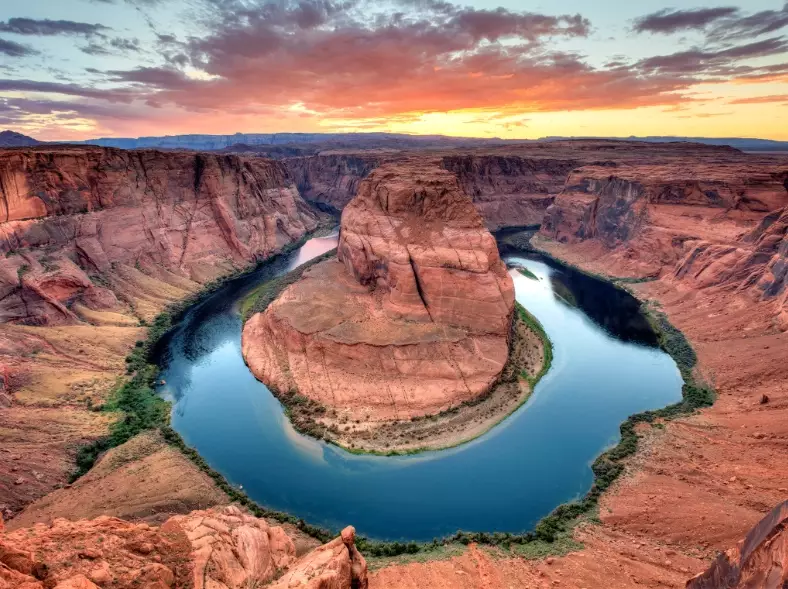
Yellowstone National Park, Wyoming/Montana/Idaho
It's not just Old Faithful. It's a sprawling, wild ecosystem.
Ticket & Hours: $35 for a vehicle, also good for 7 days. The park is technically open 24/7, but most roads close from early November to April. Summer is insane. Consider late September: crowds thin, elk bugle, and the geysers steam against golden aspens.
Getting There & Around: Fly into Bozeman, MT (BZN) or Jackson Hole, WY (JAC). You need a car. A common mistake is trying to see it all in one day from a base outside the park. Traffic jams caused by bison are real. Stay inside the park if you can book it (lodges open reservations a year in advance), or in West Yellowstone or Gardiner.
Don't Just Do Old Faithful: Get up early for Grand Prismatic Spring. The boardwalk is packed by 10 AM. For wildlife, the Lamar Valley at dawn is unbeatable. Bring binoculars.
Great Smoky Mountains National Park, North Carolina/Tennessee
The most visited park in the US, and it's free. That means it's accessible but can feel like a highway on a fall weekend.
Ticket & Hours: No entrance fee. Open 24/7. This is a huge plus for budget travelers.
Strategy to Avoid Crowds: Everyone goes to Cades Cove and Clingmans Dome. For a quieter experience, head to the Cataloochee Valley on the NC side. It's a gravel road in, but you'll see elk and historic buildings with a fraction of the people. The Roaring Fork Motor Nature Trail near Gatlinburg is also a gorgeous, dense forest drive that many bypass.
Vibrant Cities: Culture, Food, and Skyline Views
Urban adventures offer a completely different pulse. The key is to move beyond the postcard.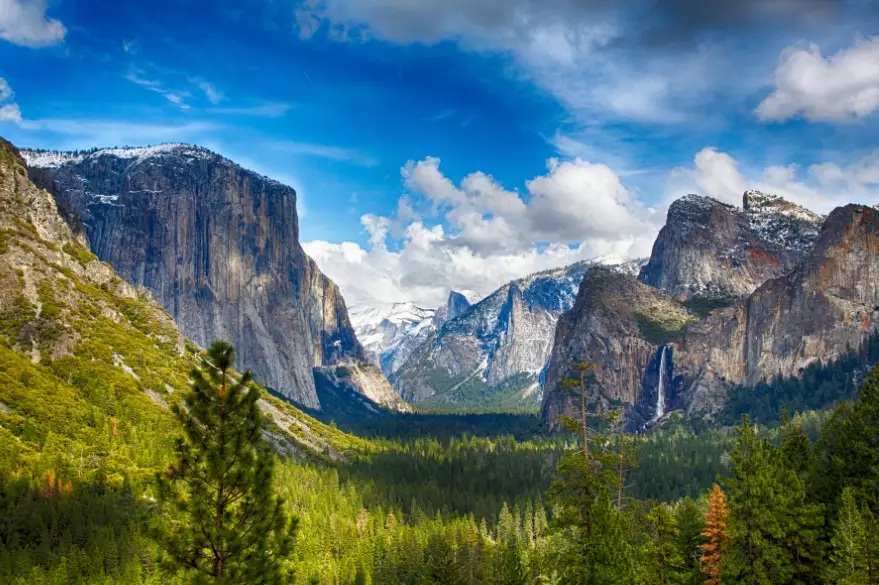
New York City, New York
It's all about neighborhoods. Times Square is a spectacle to walk through once, not a place to linger.
Must-Do Beyond Top Attractions: Yes, see the Statue of Liberty (book Crown Access months ahead) and the Metropolitan Museum of Art. But then, walk the High Line from Chelsea to Hudson Yards. Grab a slice from Joe's Pizza on Carmine Street. In Brooklyn, walk across the Brooklyn Bridge from Brooklyn into Manhattan for the best skyline photos with the sun behind you.
Getting Around: The subway is your friend. Get a 7-day unlimited MetroCard if staying awhile. Taxis and Ubers get stuck in brutal traffic.
New Orleans, Louisiana
Bourbon Street is just one street. The soul of the city is in the music and food beyond it.
French Quarter Tips: Go to Café du Monde for beignets at 8 AM to avoid the line. For music, Frenchmen Street is where locals go. Spots like The Spotted Cat have incredible jazz with a cover charge of just a few dollars.
A Specific Food Recommendation: Forget the long wait at Commander's Palace for your first trip. Try Cochon (930 Tchoupitoulas St) for authentic Cajun flavors. Get the fried alligator and the rabbit and dumplings. Reservations essential.
San Francisco, California
The hills are no joke. Wear good shoes.
Attraction Logistics: For Alcatraz, book tickets at least two weeks in advance through the official Alcatraz Cruises website. The Powell-Hyde cable car line has the best views. Get on at the beginning of the line to get a seat.
Neighborhood Dive: After Fisherman's Wharf, escape to the Mission District. See the murals on Balmy Alley, then get a burrito from La Taqueria (2889 Mission St). It's a debate starter for best in the city.
Beyond the Classics: Unique and Underrated Gems
If you want to escape the well-trodden path, these destinations offer stunning experiences with fewer crowds.
| Region | Top Pick | Best For | Key Travel Tip |
|---|---|---|---|
| Southwest | Sedona, Arizona | Hiking, spiritual retreats, red rock vistas. | Get a Red Rock Pass for parking at trailheads. The Cathedral Rock hike at sunset is transformative. |
| Southeast | Asheville, North Carolina | Arts scene, craft beer, Blue Ridge Mountain access. | Visit the Biltmore Estate, but also drive the Blue Ridge Parkway to Craggy Gardens. Pack a sweater—it's cooler up top. |
| Pacific Northwest | The Oregon Coast (Cannon Beach to Bandon) | Dramatic coastline, sea stacks, moody beaches. | This is a road trip. Don't rush. Stay in a coastal motel in towns like Yachats. The sea lion caves near Florence are kitschy but fun. |
How to Plan Your USA Trip: A Practical Framework
Throwing darts at a map doesn't work here. The US is the size of continental Europe. You need a strategy.
First, pick a coast or a region. A common and painful mistake is trying to do New York, the Grand Canyon, and San Francisco in one 10-day trip. You'll spend half of it in airports and on interstates. Focus is key.
Sample 7-Day Classic Route (West Coast):
Day 1-2: San Francisco (city sights, Alcatraz).
Day 3: Drive to Yosemite National Park (4-hour drive, book lodging in the Valley if possible).
Day 4: Explore Yosemite (Yosemite Falls, Tunnel View).
Day 5: Drive to Las Vegas (6 hours) for a night of contrast.
Day 6: Drive to Grand Canyon South Rim (4.5 hours), arrive for sunset.
Day 7: Explore Grand Canyon, fly out of Phoenix or Las Vegas.
This is ambitious but doable with a rental car and pre-booked accommodations. For a slower pace, just do California or just the parks.
Budgeting Reality Check: Domestic flights can be cheap, but rental cars, gas, and lodging inside popular areas are not. A mid-range hotel in a national park gateway town can easily be $250/night in summer. Book everything—especially cars—as early as you can.
Frequently Asked Questions (Your USA Trip Planning Queries Answered)
Is 7 days enough to see the best of the USA?
Honestly, no. Not even close. A week is perfect for a deep dive into one region—like California, the Pacific Northwest, or a triangle of major cities in the Northeast (Boston, NYC, Washington D.C.). The "see everything" trip leads to exhaustion and airport lounges. Depth over breadth always wins here.
What is the cheapest way to travel across the USA?
For long distances, budget airlines like Southwest, Spirit, and Frontier can be cheap if you travel light. The real savings come from road-tripping with a group to split gas and car costs, camping or using budget motel chains, and cooking some of your own meals. The USA has fantastic and cheap grocery stores (Trader Joe's, Walmart). A cross-country Amtrak train pass can be an adventure, but it's often slower and not always cheaper than flying.
 I hate crowds. Where should I go in the USA?
Target the shoulder seasons (May-June, September-October) and look beyond the top 5 destinations. Instead of Yellowstone in July, consider Glacier National Park in June or North Cascades National Park in Washington state. Instead of New York, try Philadelphia or Boston for history without the Manhattan intensity. The entire state of Vermont in fall, outside of the most famous foliage towns, is wonderfully peaceful.
Do I need a car for a USA vacation?
It depends entirely on your destinations. For national parks, the Southwest, or any rural area, a car is non-negotiable. Public transport outside major cities is minimal. In dense urban corridors like the Northeast (Boston to Washington D.C.), you can reliably use trains and subways. A hybrid approach works well: fly into a city, explore without a car, then pick up a rental to head into the countryside.
What's the biggest mistake first-time visitors make?
Underestimating distances. Seeing "Los Angeles" and "San Francisco" on the same map makes them look close. That's a 6-hour drive if traffic is perfect (it never is). Google Maps your planned drives and add at least 20% more time for rest stops, traffic, and unexpected scenic pull-offs. Also, not booking key attractions (Alcatraz, popular park lodges, Broadway shows) months in advance. The best stuff sells out.