Let's be honest. When you think of Australia, you picture a beach. It's not just a postcard; it's a national identity. But with over 10,000 beaches stretching across 60,000 kilometres of coastline, figuring out where to go can feel overwhelming. Is it all about Bondi? What about those empty stretches in Western Australia? Can you actually find a quiet spot?
I've spent years exploring these coasts, from the crowded tourist hubs to the spots where you might not see another soul for hours. This guide isn't just a list. It's a roadmap to help you match the perfect Australian beach with your idea of the perfect day—whether that's catching a wave, snorkelling with turtles, or simply finding a patch of sand to call your own.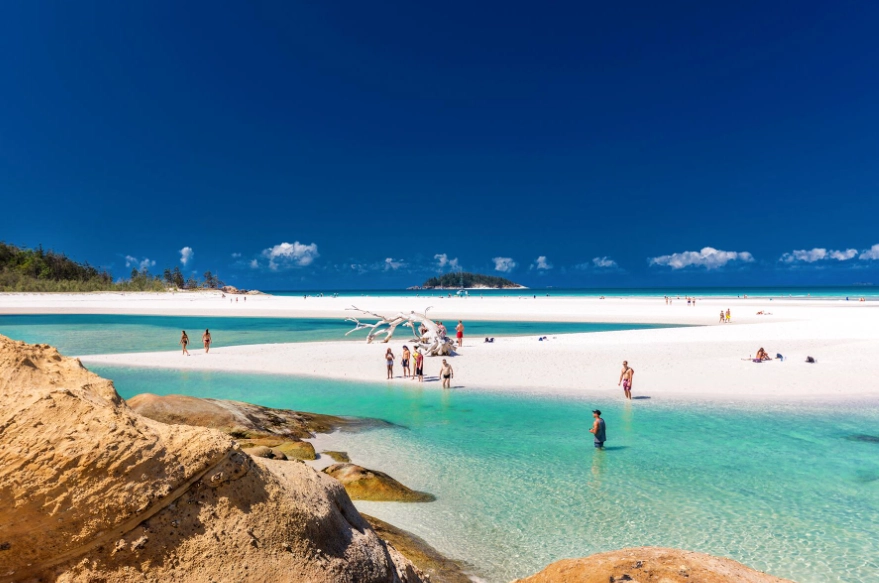
Your Beach-Hopping Roadmap
More Than Sand: Understanding Aussie Beach Culture
First, forget the idea of a beach as just a scenic backdrop. In Australia, it's a community centre, a gym, a commute route, and a spiritual retreat all rolled into one. You'll see people swimming before work, having business meetings over coffee on the sand, and families spending entire weekends parked under an umbrella.
The ritual is important. Between the red and yellow flags. That's the lifeguard-patrolled swimming area—always swim there. The flags aren't a suggestion; they're a rule born from respect for the ocean's power. Slip, Slop, Slap, Seek, Slide. It's a mantra you'll hear: Slip on a shirt, Slop on sunscreen, Slap on a hat, Seek shade, Slide on sunglasses. The sun here is no joke.
One thing most guides don't tell you? The best beach day often starts early or happens late. Midday in summer, the sun is fierce and the popular spots are packed. Locals hit the sand for a swim at 7 AM or head down for a sunset picnic and a walk. That's when the light is magic and the crowds have thinned.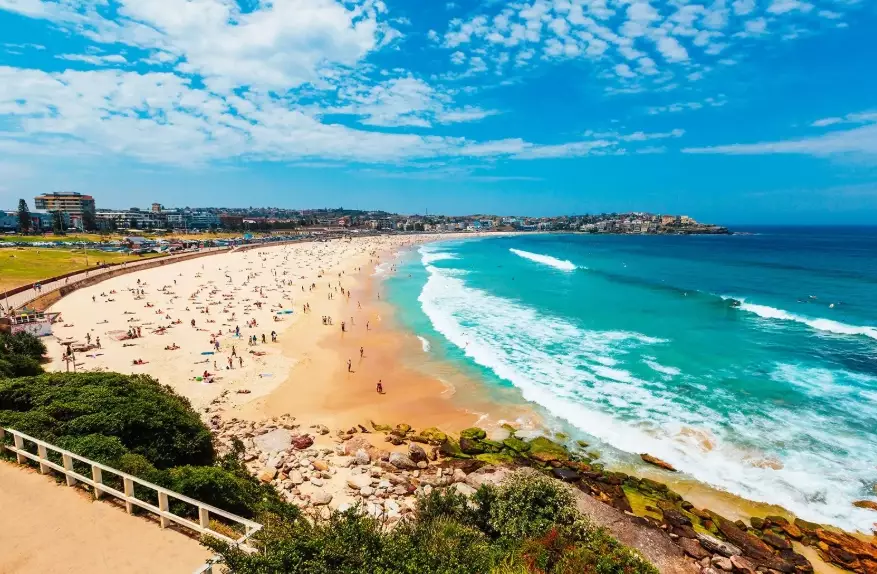
Australia's Top Coastal Regions & Their Signature Beaches
You can't see it all. Don't try. Australia is continent-sized. Focus on one or two coasts that match your travel style. Here’s the breakdown.
The East Coast Icons (NSW & Queensland)
This is the classic route, from Sydney up to the Great Barrier Reef. The beaches are accessible, full of life, and backed by major cities or holiday towns.
| Beach Name & Location | Vibe & Best For | Key Practical Info |
|---|---|---|
| Bondi Beach, Sydney NSW Address: Bondi Beach, NSW 2026 |
The global icon. Bustling, energetic, people-watching. Great for first-time visitors who want the full scene—surf schools, coastal walks, trendy cafes. It's busy. Really busy. | Getting there: 30-min bus (#333) from Sydney CBD. Facilities: Showers, toilets, picnic areas, lots of cafes. The Bondi to Coogee coastal walk (6km) starts here. Parking is a nightmare—don't drive. |
| Whitehaven Beach, Whitsundays QLD Access via boat from Airlie Beach or Hamilton Island. |
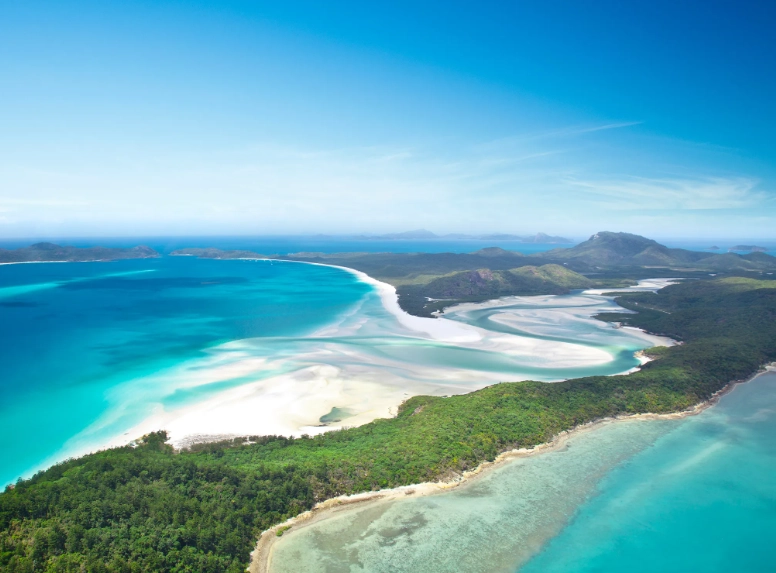
Pristine, jaw-dropping beauty. That famous swirling white silica sand that doesn't get hot. Snorkelling at the southern end (Hill Inlet). It's a postcard come to life. | No direct public access. Book a day tour or sailing trip from Airlie Beach (approx. $120-$250 AUD). Bring everything you need—limited facilities. Tours often include lunch and snorkel gear. |
| Noosa Main Beach, Sunshine Coast QLD Address: Hastings St, Noosa Heads QLD 4567 |
Family-friendly, relaxed luxury. Gentle waves, patrolled all year, shaded by trees. Steps from upscale shops and restaurants on Hastings Street. Feels more refined than surf-centric. | Parking: Paid lots behind Hastings St (fill up early). Facilities: Excellent—toilets, showers, picnic tables, playground. The Noosa National Park coastal track starts at the beach's eastern end. |
The Wild & Remote West (Western Australia)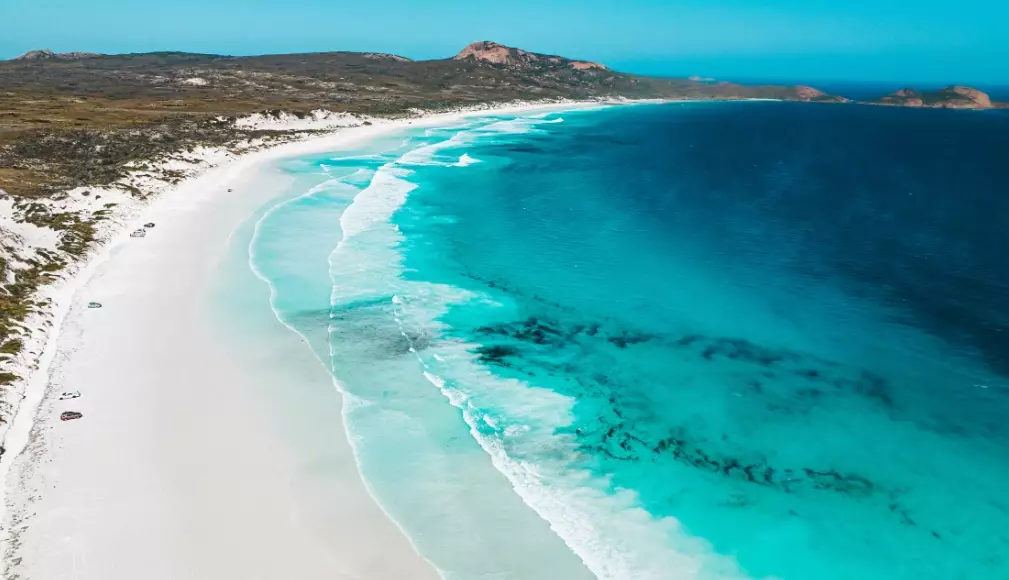
This is for adventurers. Distances are vast, landscapes are dramatic, and you'll often have the place to yourself. It requires more planning but delivers raw, unforgettable beauty.
Cable Beach, Broome WA: Famous for its 22km of white sand, red pindan cliffs, and camel rides at sunset. The water is turquoise and warm. The Staircase to the Moon phenomenon (when the full moon rises over the tidal flats) is a major draw. Gantheaume Point at the southern end has dinosaur footprints visible at low tide.
Lucky Bay, Esperance WA: Yes, the one with the kangaroos on the beach. Located in Cape Le Grand National Park, about 45 minutes drive from Esperance. The sand is powder-white, the water is a surreal shade of blue. The 'roos are often there in the cooler hours of the morning and evening. You'll need a park entry fee ($17 per vehicle) and a sturdy vehicle for the unsealed park roads is recommended.
Greens Pool, William Bay National Park WA: Near Denmark. This isn't a surf beach. It's a natural, granite-ringed swimming pool. The huge boulders break the ocean swell, creating calm, crystal-clear, sheltered lagoines perfect for swimming and snorkelling. Ideal for families with young children or anyone wanting a safe, stunning swim. Entry to the national park is via a small fee station.
The Underrated South & Island Gems
Don't overlook these cooler-climate coasts. The water might be bracing, but the scenery is dramatic and the food and wine are world-class.
Wineglass Bay, Freycinet National Park TAS: The view from the lookout is iconic, but the reward is hiking down to the beach itself—a perfect crescent of white sand and azure water framed by pink granite mountains. It's a 1.5-2 hour return walk from the car park. Pack water and snacks. You might spot wallabies on the sand.
Second Valley, Fleurieu Peninsula SA: A local favourite south of Adelaide. Rocky outcrops create interesting snorkelling spots (look for leafy sea dragons). There's a small jetty and the beach is split between a sheltered bay and a more surf-prone area. The nearby Leonard's Mill restaurant is a fantastic lunch spot. It feels undiscovered compared to the tourist-heavy east.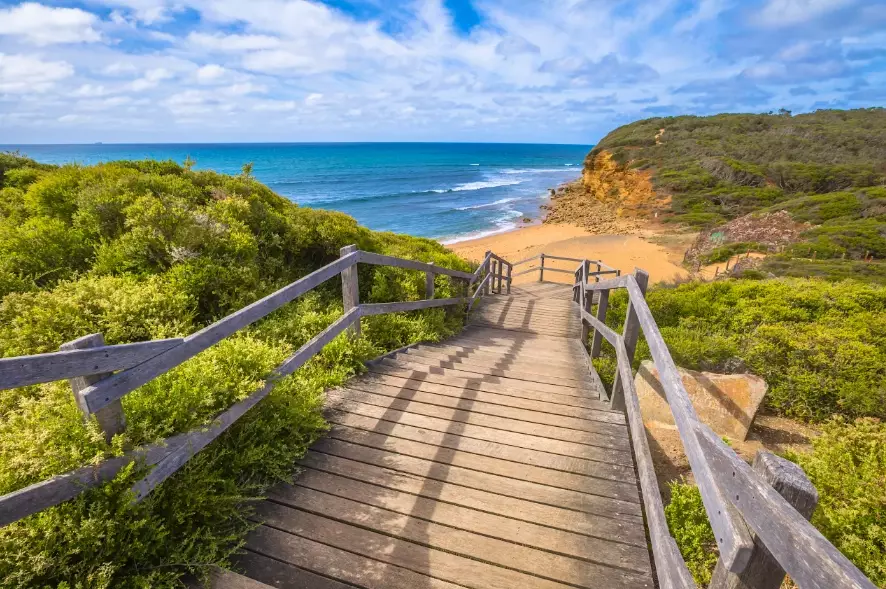
How to Plan Your Australian Beach Trip: A Practical Framework
Stop just pinning locations on a map. Answer these questions first to build a trip that actually works.
Step 1: Match the Beach to Your Travel Personality
- For Families with Young Kids: Seek out beaches with gentle, patrolled waves, playgrounds nearby, and good facilities (toilets, showers, kiosk). Noosa Main Beach, Manly Beach (Sydney), and Brighton Beach (Melbourne) are top choices.
- For Surfers (All Levels): The whole east coast is your playground. Beginners: Byron Bay, Manly. Intermediates: Snapper Rocks (Gold Coast), Bells Beach (Vic). Advanced/Adventurous: Seek out the powerful, remote breaks of WA or South Australia with a local guide.
- For Snorkellers & Divers: The Great Barrier Reef is obvious (try the Low Isles for an easy day trip). But also consider: Lord Howe Island (the world's southernmost coral reef), Ningaloo Reef in WA (swim with whale sharks!), or the temperate reefs around Sydney (Shelly Beach, Cabbage Tree Bay).
- For Solitude Seekers & Hikers: Look to national parks. The beaches in Wilsons Promontory (Vic), the Tasman Peninsula (TAS), or the vast stretches of the Nullarbor (SA/WA) offer epic coastal walks and profound silence.
Step 2: Nail the Logistics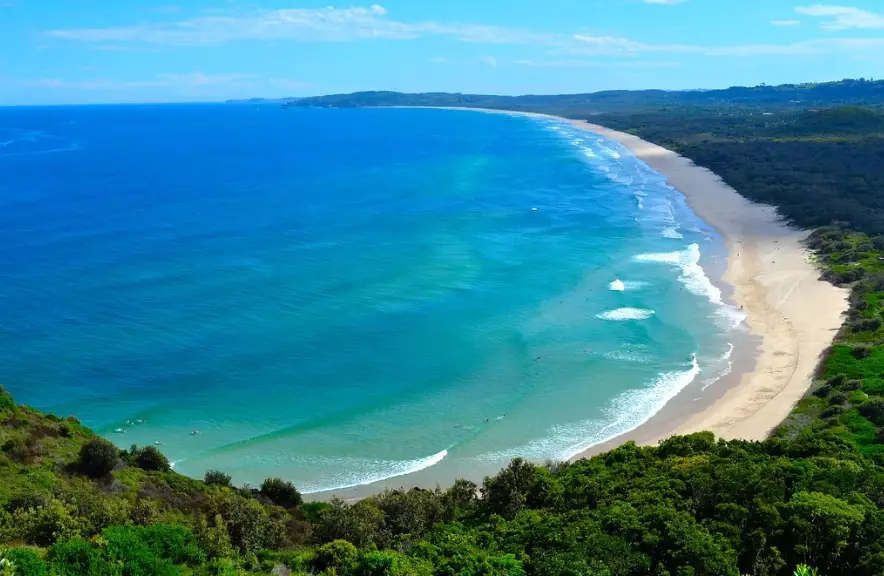
Timing is Everything: Australian summer (Dec-Feb) is peak—hot, crowded, expensive. Shoulder seasons (Mar-May, Sep-Nov) are ideal: pleasant weather, fewer people, lower prices. Winter (Jun-Aug) in the north (QLD, NT, WA) is dry season—perfect beach weather, while the south is cooler but still sunny.
Getting Around: In cities, use public transport to reach beaches—it's often easier. For exploring regions, you need a car. For remote WA or SA, a 4WD is frequently essential, and you must carry extra water, fuel, and a satellite communicator. Don't underestimate distances.
Budget Realistically: A beach day can be free, but tours (to the Reef, Whitsundays) are significant expenses. Accommodation prices skyrocket near famous beaches in school holidays. Consider staying in a town a short drive away from the mega-famous spot.
Step 3: The Non-Negotiable Packing List
Beyond your swimsuit:
- Reef-Safe, High SPF Sunscreen (50+): Apply 20 minutes before going out, reapply every 2 hours. Zinc for nose and lips.
- A Long-Sleeve Rash Vest: The single best piece of sun protection for swimming or surfing.
- Sturdy Water Shoes: For rocky entries, coral, or hot sand.
- Large Reusable Water Bottle: Fill it up. Dehydration sneaks up fast.
- Cooler Bag/Esky: For picnics. Shops can be far away.
- Downloaded Maps: Mobile reception is non-existent on many remote beaches.
Local's Secrets & Non-Obvious Tips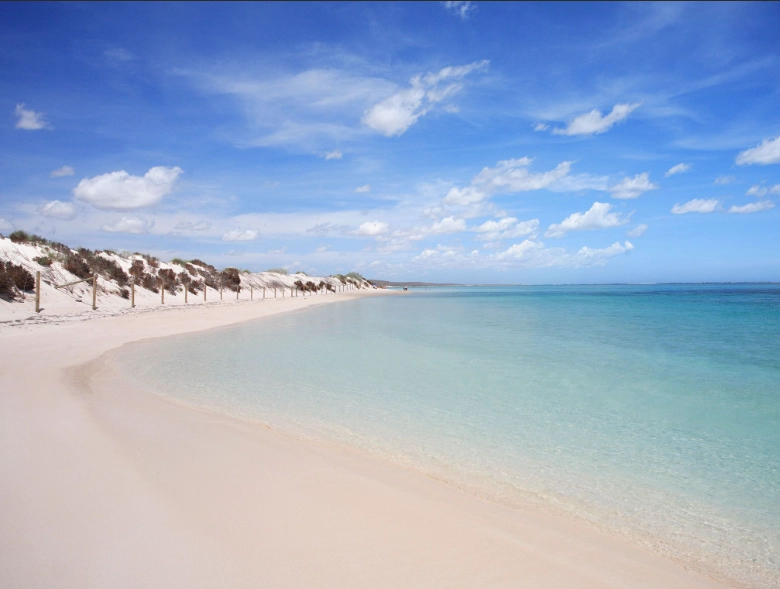
Here’s where that hypothetical 10 years of experience pays off. These are the things you learn the hard way.
The "Beach Next Door" Trick: Every famous beach has a quieter, often just-as-nice neighbour. Bondi gets packed? Try Bronte Beach or Tamarama (just south on the coastal walk). Surfers Paradise chaos? Walk 10 minutes north to Main Beach or Broadbeach. It's almost always worth the extra five-minute walk.
Rip Currents - How to Actually Spot & Handle Them: Everyone says "don't panic, swim parallel." But how do you see one? Look for a channel of deeper, darker water; a break in the wave pattern; or water moving steadily away from shore, often with debris or foam. If caught, stay afloat, signal for help, and yes, swim parallel to the shore (often towards the whitewater where waves are breaking) until you're out of the narrow channel, then swim in.
Leave Only Footprints, Seriously: This isn't just a cute slogan. On remote beaches, take ALL your rubbish, including food scraps and tissues. It can harm wildlife. Be mindful of dunes—walk on designated paths. They're fragile ecosystems.
The Best Fish and Chips Isn't at the Fancy Waterfront Restaurant: It's at the unassuming shop a few blocks back from the beach, where the locals queue. Look for a place that cooks to order and uses fresh local fish. My rule of thumb: if the menu has more than 20 types of frozen crumbed seafood, walk away.
Your Australian Beach Questions, Answered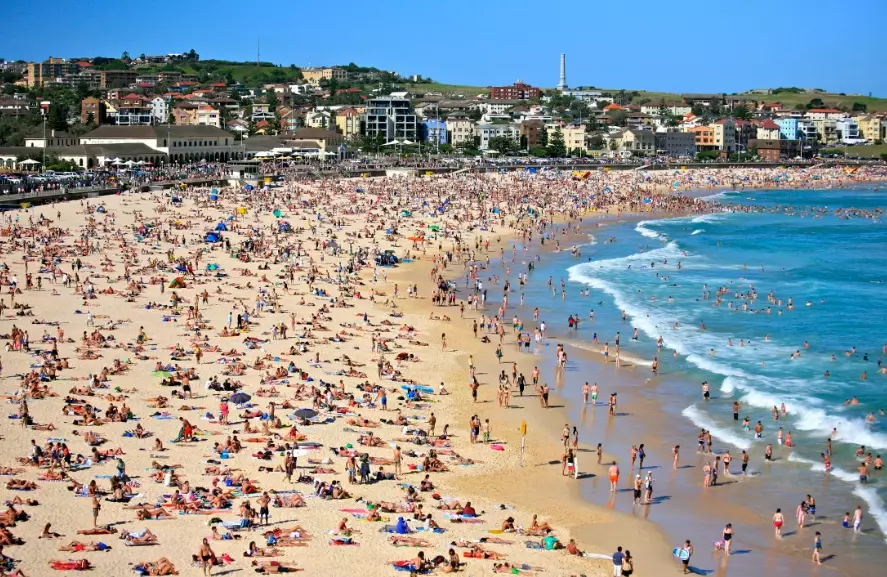
 Is it safe to swim at Australian beaches?