Let's be honest. When you think of Arizona, the Grand Canyon is the first thing that pops into your head. It's iconic for a reason. But treating Arizona as a one-stop canyon destination is a mistake I see travelers make all the time. The state is a sprawling, diverse canvas of red rock cathedrals, saguaro-studded deserts, haunting sandstone monuments, and cities buzzing with Southwestern culture. Planning a trip here isn't just about picking a park; it's about understanding vast distances, extreme climates, and choosing experiences that match your travel style. Having explored every corner over a decade, I've put together this guide to cut through the noise and give you the actionable details you need.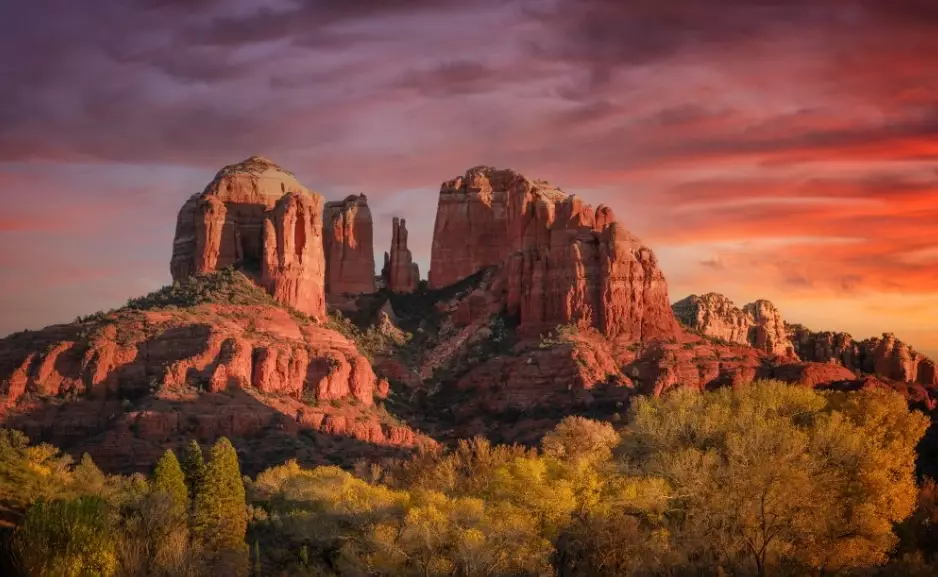
Your Arizona Adventure at a Glance
The Northern Route: Canyons, Red Rocks & Indigenous History
This corridor holds Arizona's postcard icons. The landscape shifts from ponderosa pine forests to deep gorges to surreal rock formations.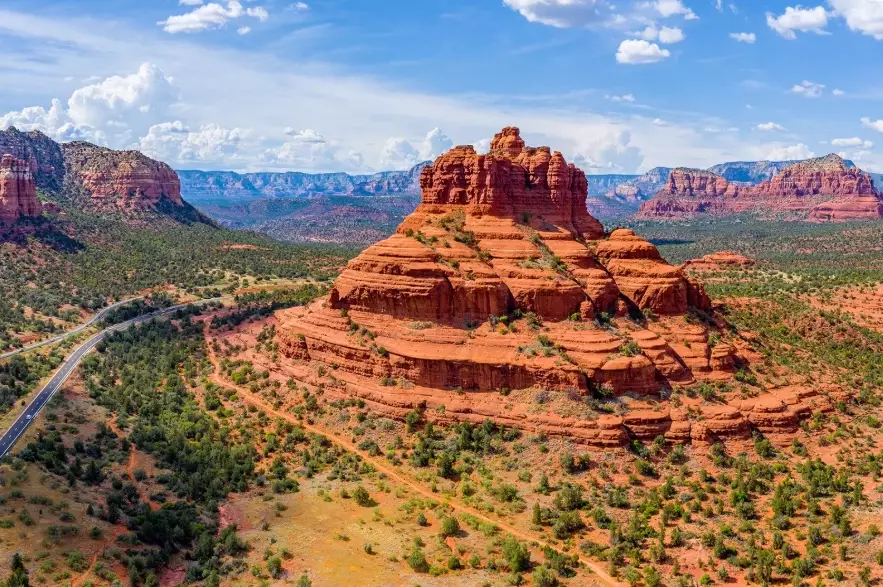
The Grand Canyon: South Rim vs. North Rim
Most visitors go to the South Rim. It's open year-round, has the most amenities (Grand Canyon Village), and those classic, wide-open views. The entrance fee is $35 per vehicle, valid for 7 days. It's about a 3.5-hour drive from Phoenix or 4.5 hours from Las Vegas. My biggest tip? Get to the park gates by 7 AM. The parking lots at Mather Point and the Visitor Center fill up shockingly fast, and the shuttle system, while efficient, gets packed.
The North Rim is a different beast. It's higher, cooler, and receives only 10% of the South Rim's visitors. The vibe is quiet and remote. The catch? It's only open from mid-May to mid-October. It's a much longer drive—about 4.5 hours from the South Rim itself, as you have to go around the canyon. The view is looking *south*, which creates a different light and perspective. If you hate crowds and love a more rustic lodge experience, this is your spot.
Sedona: More Than Just Vibes
Sedona's famous red rocks are a playground for hikers and spiritual seekers. The town can feel touristy, but the trails deliver. Forget just driving to the Chapel of the Holy Cross (though you should).
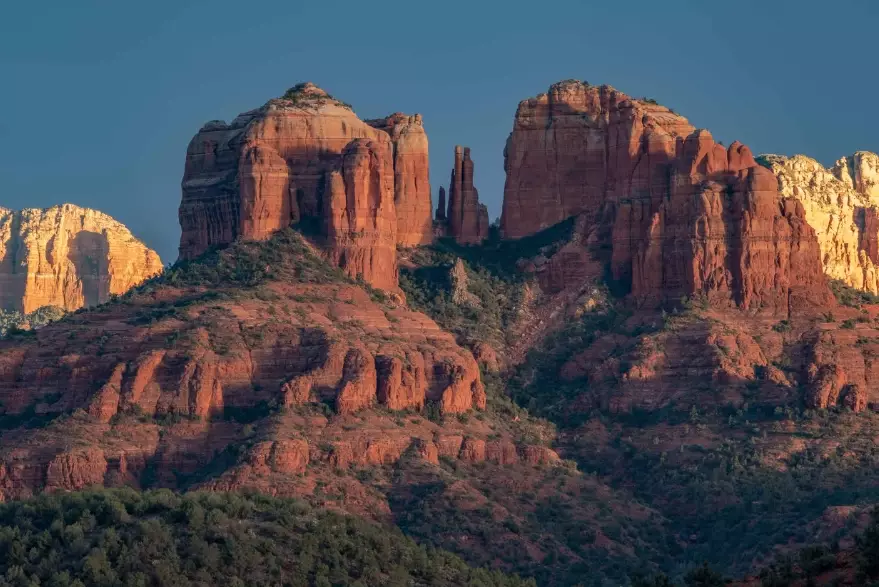
For a moderate, iconic hike, Cathedral Rock is it. The trailhead is off Back O' Beyond Road. The 1.2-mile round trip involves some serious scrambling using your hands. The view from the saddle is worth every bit of effort. Parking is a nightmare—arrive before 8 AM or use the Sedona Shuttle from the Park & Ride lot.
For something easier with huge payoff, the Bell Rock Pathway near the Village of Oak Creek lets you walk as far as you want on a smooth trail with the massive Bell Rock looming overhead. No fee for this one.
Monument Valley: The Iconic Desertscape
This isn't a National Park; it's a Navajo Tribal Park. The view from the Visitor Center overlook is the one you know from every Western movie. The 17-mile self-drive loop on a dirt road ($8 per person) is good, but it only skims the surface.
Here's the non-consensus advice: Book a guided tour with a Navajo guide. For about $80-100, they'll take you in an open-air truck into areas closed to the public, like Hunt's Mesa or Mystery Valley, and share stories about the land and their culture. It transforms a sightseeing trip into a meaningful experience. Goulding's Lodge is a historic and convenient place to stay, but book months ahead.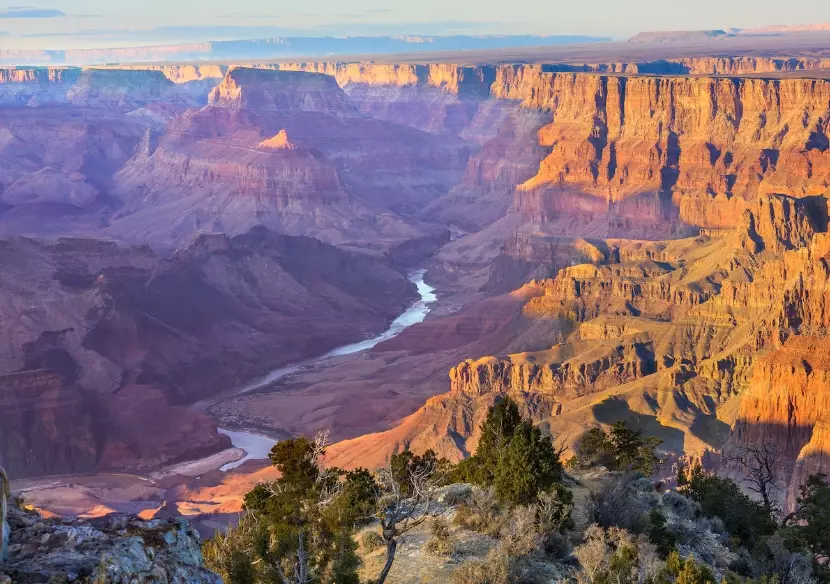
The Southern Route: Saguaro Deserts & Wild West Towns
Down here, the air smells like creosote after rain, and the landscape is defined by the majestic saguaro cactus.
Saguaro National Park: East vs. West
The park is split into two districts flanking Tucson. Saguaro West (Tucson Mountain District) has a denser forest of saguaros and is closer to the Arizona-Sonora Desert Museum (a world-class zoo/botanical garden combo, worth the $30 ticket). The Bajada Loop Drive is a great scenic dirt road.
Saguaro East (Rincon Mountain District) feels more vast and mountainous. The 8-mile Cactus Forest Loop Drive is paved and has numerous pull-offs. For a solid hike, try the 2.4-mile round trip Freeman Homestead Trail to see a variety of desert life. The park entrance fee is $25 per vehicle. Visit at sunrise or sunset—the light makes the saguaros glow, and the temperatures are humane.
Tombstone: Navigating the Tourist Trap
Yes, it's touristy. But if you're into Wild West history, it's fun. The core is Allen Street. Don't just wander—pay for the "Good Enough" Mine Tour (about $10) to get a real sense of the silver mining history. Then catch a reenactment of the Gunfight at the O.K. Corral. The key is to lean into the kitsch. The town is about 1.5 hours southeast of Tucson. Go in the morning, have lunch at the historic Crystal Palace Saloon, and be on your way by mid-afternoon.
How to Plan Your Arizona Attractions Itinerary
Arizona is big. Driving from the Grand Canyon to Tucson is over 5 hours. You need to cluster attractions.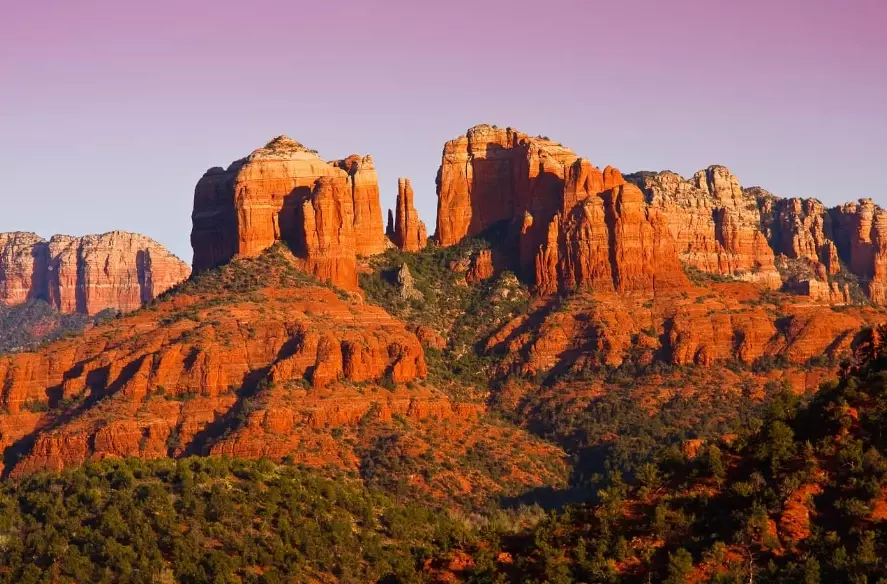
| Itinerary Focus | Recommended Route (5-7 Days) | Key Stops & Drive Times | Best For |
|---|---|---|---|
| The Classic First-Timer | Phoenix → Sedona (2 hrs) → Grand Canyon South Rim (2 hrs from Sedona) → Phoenix via Flagstaff (3.5 hrs) | Sedona hikes, Grand Canyon South Rim, maybe a detour to Montezuma Castle. 4-5 days minimum. | Families, photographers, those short on time. |
| The Deep Desert Explorer | Tucson → Saguaro NP → Tombstone (1.5 hrs) → Bisbee (30 min) → Phoenix (3 hrs from Tombstone) | Saguaro East & West, Kartchner Caverns State Park (book tours ahead), historic mining towns. 5-6 days. | Hikers, history buffs, winter sun-seekers. |
| The Epic Southwest Road Trip | Las Vegas → Grand Canyon South Rim (4.5 hrs) → Monument Valley (3.5 hrs) → Page, AZ (2 hrs) → Zion NP (2 hrs) | Grand Canyon, Monument Valley tour, Antelope Canyon (Page), Horseshoe Bend. 7+ days. | Adventurous drivers, landscape lovers. |
Where to stay? In Sedona, skip the generic chain hotels and look for a casita or B&B in West Sedona for better value. At the Grand Canyon, rooms inside the park at Bright Angel Lodge or El Tovar book up a year in advance. If they're full, Tusayan right outside the South Gate has options. In Tucson, look for resorts with a desert vibe or stay downtown for food.
Expert Tips Most Guides Won't Tell You
First, the seasons are everything. Summer (June-August) in the desert lowlands (Phoenix, Tucson) is brutally hot, often over 110°F. It's a good time for the higher elevations like the Grand Canyon or Flagstaff, but expect afternoon monsoons. Spring (March-May) and Fall (September-November) are perfect almost everywhere. Winter can bring snow to the north, but southern Arizona is mild and pleasant.
Second, the "energy vortex" sites in Sedona (like Airport Mesa or Bell Rock). Are they real? That's up to you. But the real magic is in the geology and light. Go for the stunning scenery, and if you feel something extra, that's a bonus.
Finally, water. This isn't a joke. Carry at least one gallon per person per day in your car when driving between attractions. Cell service is spotty, and breakdowns in the summer can become dangerous quickly. I also keep a wide-brimmed hat and electrolyte packets in my daypack.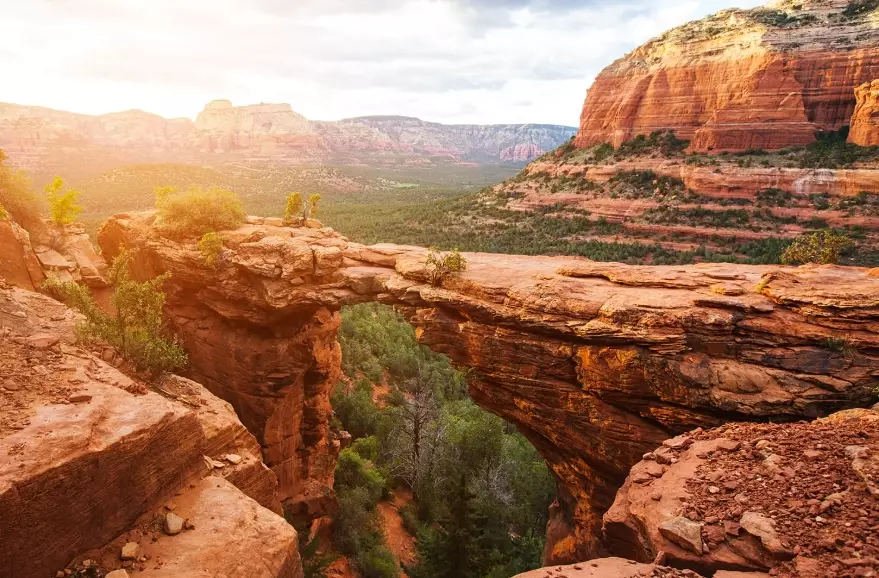
Your Arizona Trip Questions Answered
 We're planning an Arizona road trip with kids aged 8 and 12. Which attractions are most engaging for them?