Let's cut to the chase. Choosing a city in South America for your trip can feel overwhelming. Rio? Buenos Aires? Lima? Cusco? Cartagena? They're all iconic, but they offer wildly different experiences. I've spent years traveling and living across the continent, and the biggest mistake I see is travelers treating it like a monolith. A beach city in Brazil has almost nothing in common with a high-altitude historical hub in Peru. This guide isn't just a list. It's a framework to match the right South American city to your travel style, packed with specifics you can actually use to book tickets and plan your days.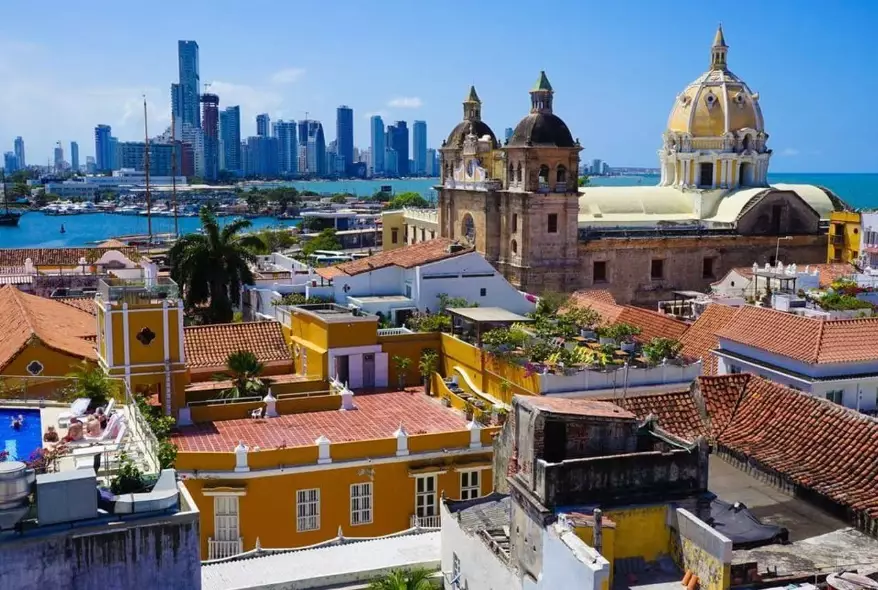
Your Quick Navigation Guide
How to Choose Your South American City Destination
Forget the "top 10" lists for a second. Think about what you actually want to do. Are you after nightlife and steak? Buenos Aires. Hiking and ancient history? Cusco. Lazy beach days and samba? Rio de Janeiro. This table breaks down the vibe, so you can start narrowing it down.
| City & Country | Core Vibe & Best For | Can't-Miss Experience | Budget Level (Per Day) |
|---|---|---|---|
| Rio de Janeiro, Brazil | Beach life, dramatic landscapes, epic parties, Carnival. | Sunset from the summit of Sugarloaf Mountain. | $$$ (Higher, especially near beaches) |
| Buenos Aires, Argentina | European elegance, tango, world-class steak, café culture. | A late-night dinner at a parrilla (steakhouse) followed by a milonga (tango hall). | $$ (Great value, especially for food/wine) |
| Cusco, Peru | Inca history, gateway to Machu Picchu, Andean culture. | Exploring the cobblestone streets of San Blas neighborhood. | $ (Hostels & local eats) to $$ (nicer hotels) |
| Cartagena, Colombia | Caribbean charm, colorful colonial walls, romance. | Getting lost in the Ciudad Amurallada (Walled City) at golden hour. | $$ (Walled City is pricier) |
| Santiago, Chile | Modern metropolis, wine country access, mountain backdrop. | Taking the funicular up San Cristóbal Hill for panoramic views. | $$ (Similar to a mid-range European city) |
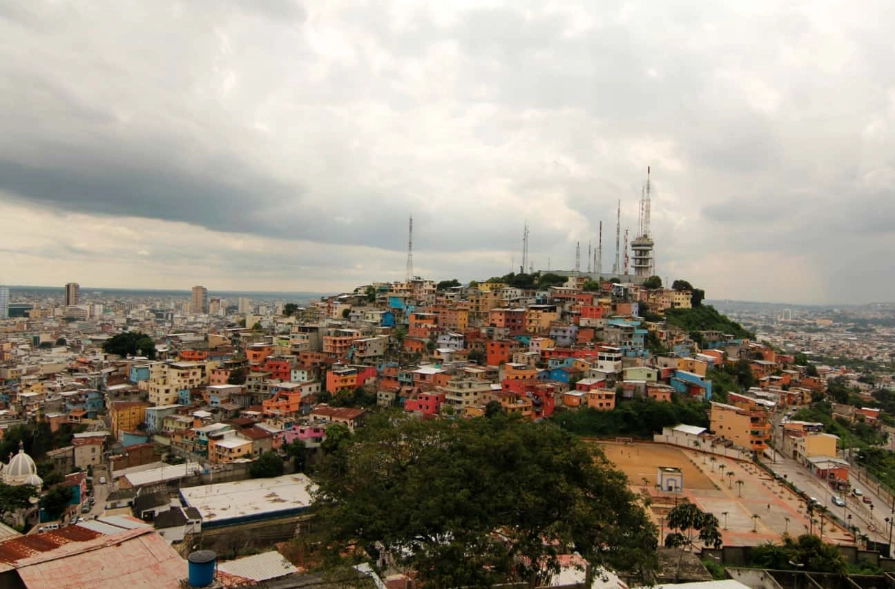
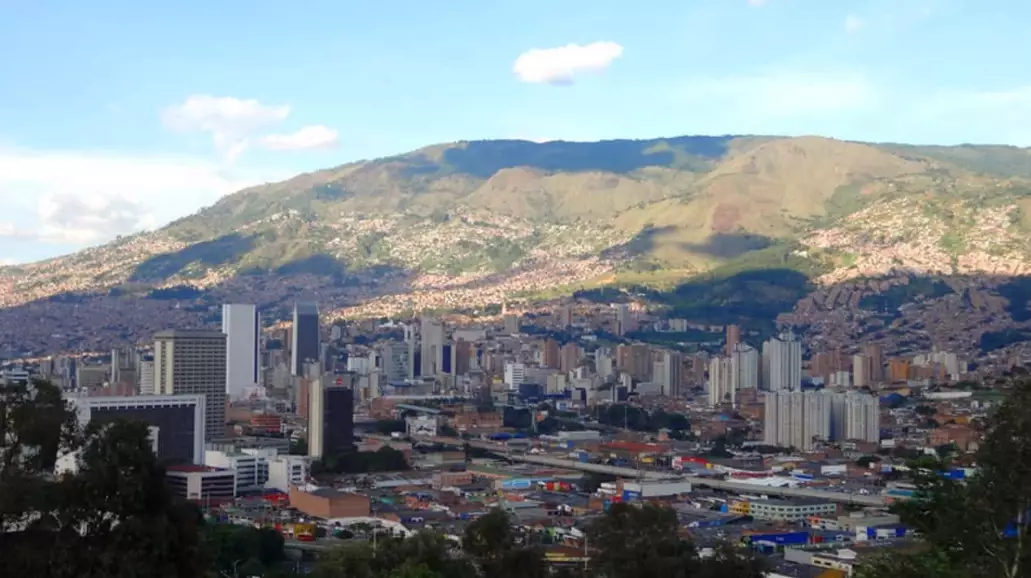
My non-consensus tip? Don't overlook secondary cities. Medellín, Colombia, has transformed itself with innovative urbanism. Valparaíso, Chile, is a chaotic, artistic port town that's nothing like tidy Santiago. They often offer a more authentic and less expensive slice of life.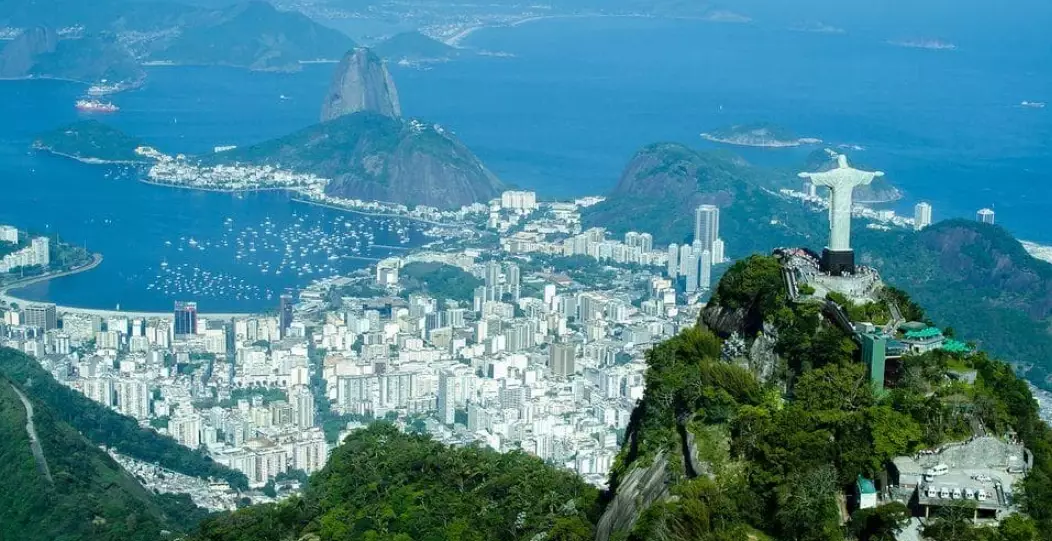
A Deep Dive into 5 Iconic South American Cities
Okay, you've got the vibe. Now let's get into the nitty-gritty details you need to plan. Here’s what a few days in some of these places really looks like.
Buenos Aires, Argentina: The Paris of the South
BA is a city for wanderers. You don't just visit a site; you soak up a neighborhood. Recoleta for its cemetery and museums, San Telmo for Sunday antiques and street tango, Palermo for hip boutiques and endless restaurants.
Most museums are closed on Mondays. The subway (Subte) is cheap and efficient for getting between neighborhoods. A SUBE card is essential for all public transport.
Cusco, Peru: The Ancient Heart of the Inca Empire
Cusco isn't just a stopover for Machu Picchu. You need at least two full days here to acclimatize to the 3,400m (11,150 ft) altitude. Drink coca tea, take it slow.
Machu Picchu Logistics: This is the big one. You cannot just show up. You need an entry ticket AND, in most cases, a train ticket or trek permit. Book everything months in advance through the official Machu Picchu website and PeruRail or Inca Rail. A one-day trip from Cusco is a very long, expensive day. Consider staying overnight in Aguas Calientes to see the citadel early in the morning.
Within Cusco, the Regional History Museum (Cuesta del Almirante 103) gives crucial context. Entry is about 10 PEN ($2.50 USD). The main cathedral on the Plaza de Armas requires a separate ticket (about 25 PEN).
Rio de Janeiro, Brazil: Beach, Mountains, and Rhythm
Rio is geographically stunning and socially complex. Everyone knows Copacabana and Ipanema. But here's my local tip: for a more relaxed, local beach day, head to Barra da Tijuca or Prainha. The water is cleaner, and the crowds are thinner.
Christ the Redeemer & Sugarloaf: You must book tickets online in advance. For Christ, take the official tram from Cosme Velho. For Sugarloaf, go in the late afternoon to see the city transform under daylight, sunset, and night lights. The combo is worth it.
Safety is a real concern. Leave flashy jewelry at home. Use Uber or official taxis at night. On the beach, take only what you need and never leave belongings unattended.
South America City Travel: Planning & Logistics
The fun stuff is easy to dream about. The logistics are what make or break a trip.
What is the Best Time to Visit South American Cities?
Seasons are reversed from the Northern Hemisphere. Summer is Dec-Feb (hot, rainy, busy). Shoulder seasons (Mar-May, Sep-Nov) are often ideal. But it varies wildly. Rio's summer is perfect for beach weather. Cusco's rainy season (Dec-Mar) can mean muddy treks but lush landscapes. Buenos Aires is lovely in the fall (Mar-May). Always check the specific city's climate.
How to Stay Safe While Traveling in South American Cities?
The fear is overblown, but vigilance is key. It's more about petty theft than violence. My rules: Use a crossbody bag worn in front. Keep your phone out of sight in crowded areas. Don't walk alone with headphones in at night. Use ATMs inside banks during the day. Tell your hotel/hostel your plans. Register with your embassy. Simple precautions reduce risk by 95%.
Getting Around: A Mix of Everything
- Ride-Sharing (Uber, Cabify): Ubiquitous, safe, and cheap in most major cities. Often cheaper than hailing a cab.
- Public Transit: Santiago and Buenos Aires have excellent metros. Bogotá has the TransMilenio bus system. It's fast and incredibly cheap.
- Walking: The best way to explore colonial centers like Cartagena or Cusco. Just have good maps.me or Google Maps offline.
Going Beyond the Tourist Checklist
To really connect, you have to step off the perfectly worn path. Here’s how.
In Lima, everyone goes to the touristy restaurants in Miraflores. Venture to Barranco for more innovative cuisine in a bohemian setting, or to a local cevichería in Surquillo market for the real deal.
In Buenos Aires, skip the expensive tango shows for tourists. Find a milonga. La Catedral (Sarmiento 4006) is a gritty, authentic spot where locals dance. No one cares if you're a beginner; just observe and feel the rhythm.
Consider a free walking tour on your first day in any city. It gives you orientation, history, and tips from a local guide (you just tip at the end). It's the single best investment of time you can make.
Your South American City Travel Questions Answered
 Do I need to speak Spanish or Portuguese to get by?
 Are credit cards widely accepted, or do I need lots of cash?