So you're planning a trip to Italy. Your mind probably jumps to the Colosseum, a gondola ride, or the Leaning Tower. But here's the thing most generic guides won't tell you: trying to cram Rome, Florence, and Venice into a week is a recipe for exhaustion, not immersion. Italy isn't a checklist; it's a collection of wildly different personalities, each city offering a unique slice of la dolce vita. Having spent years traveling and living in different regions, I've seen too many visitors miss the magic by sticking to the well-worn path. This guide is about making smart choices. We'll look at the iconic must-sees, but I'll also push you towards a few places where you can actually breathe, taste, and feel Italy without the shoulder-to-shoulder crowds.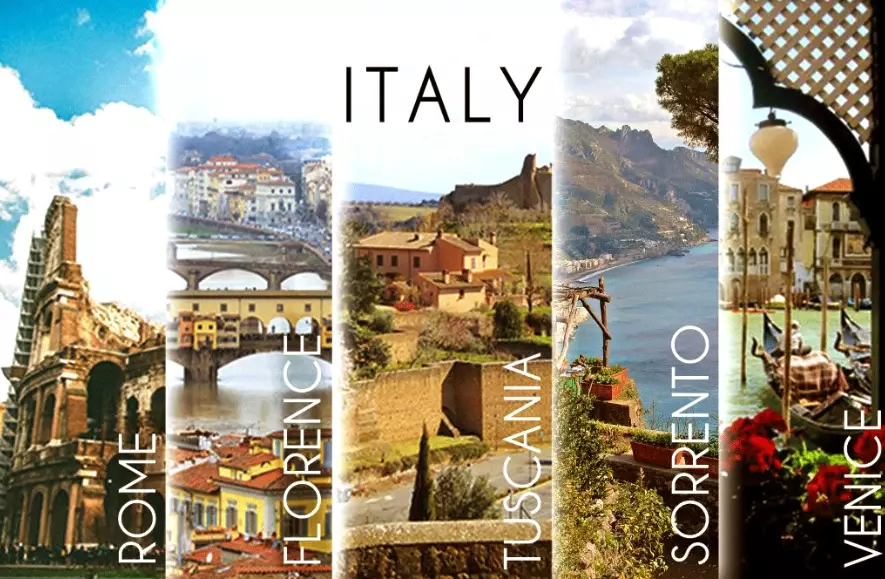
Your Italian City Journey at a Glance
Moving Beyond the "Big Three"
Rome, Florence, and Venice are incredible. They're iconic for a reason. But their popularity is also their curse. In peak season, you'll spend more time queueing than exploring. The secret to a richer Italian experience is strategic pairing.
Think of it this way: after the overwhelming scale of Rome's ancient history, your soul might crave the human-sized elegance of a place like Bologna. Following the Renaissance art overload in Florence, the gritty, real-life maritime bustle of Naples can be a thrilling palate cleanser. This approach isn't about skipping the greats; it's about balancing them with destinations that offer a different rhythm and deeper local connection.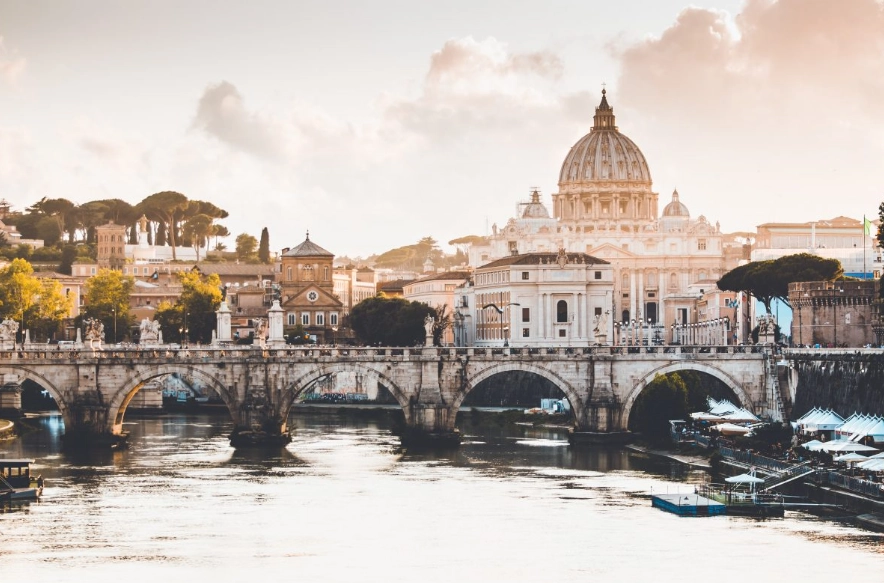
Italian Cities at a Glance: A Quick Comparison
Choosing is hard. This table isn't about ranking, but about matching a city's vibe to your travel style. It includes the heavy-hitters and a few of my personal favorites that deserve more attention.
| City | Core Vibe & Best For | Top Attraction (Book Ahead!) | Local Food Highlight | Ideal Visit Length |
|---|---|---|---|---|
| Rome | Epic history, grand monuments, vibrant street life. | Vatican Museums & Sistine Chapel. Book slots on the official website months ahead. | Supplì (fried rice ball), Cacio e Pepe pasta. | 4-5 days minimum. |
| Florence | Renaissance art, compact walkability, luxury shopping. | Uffizi Gallery. Pre-book to skip the 3+ hour line. | Bistecca alla Fiorentina (T-bone steak), Lampredotto sandwich. | 3 full days. |
| Venice | Romantic canals, unique architecture, getting lost. | St. Mark's Basilica. Free entry but book a timed ticket to avoid the queue. | Cicchetti (small snacks) with an ombra (glass of wine). | 2-3 days (stay overnight to see it after day-trippers leave). |
| Naples | Raw energy, authentic pizza, archaeology gateway. | National Archaeological Museum (holds Pompeii artifacts). | Pizza Margherita (try it at Sorbillo or Da Michele). | 2 days (plus Pompeii/Herculaneum). |
| Bologna | Food capital, university town vibe, medieval porticoes. | Climbing the Asinelli Tower for city views. | Tagliatelle al ragù, Mortadella, Tortellini in brodo. | 2 days. |
| Milan | Modern design, fashion, business hub, Da Vinci's Last Supper. | Seeing "The Last Supper" (book 3+ months in advance). | Risotto alla Milanese, Aperitivo culture. | 2 days. |
| Verona | Romantic Shakespearean setting, elegant, less crowded. | Juliet's Balcony (go early) and the Roman Arena. | Pastissada (horse meat stew), Pandoro cake. | 1-2 days. |
The Deep Dive: A Closer Look at Key Destinations
Let's get specific. Here’s what you need to know beyond the postcard image.
Rome: The Eternal (and Exhausting) City
Rome rewards the prepared. A common mistake is trying to see the Colosseum, Roman Forum, and Palatine Hill in one chaotic morning. Here's a better way: book a Colosseum Underground tour. It costs more, but you see the hypogeum (the underground area) and get direct Forum access. Entry is around €24 for the standard ticket, but the full underground experience can be €60-80. It's worth it to understand the scale.
For the Vatican, the key is timing. A Wednesday morning Papal Audience or a Friday night summer opening can be less packed. The dress code is strictly enforced: covered shoulders and knees.
Where to stay? Trastevere isn't a secret anymore, but it's still the best area for evening atmosphere. For a more local feel, look at neighborhoods like Prati (near the Vatican) or Monti (near the Forum).
Florence: Mastering the Renaissance
Everyone heads to the Duomo. The real pro move? Climb Giotto's Bell Tower instead of the Duomo's dome. The lines are shorter, the view is just as spectacular, and you get the dome in your photos. Tickets for the entire complex (Cathedral, Dome, Bell Tower, Baptistery, Museum) cost €30 and are valid for 72 hours. Book a timed slot for the dome if you must do it.
The Uffizi is overwhelming. Don't try to see everything. Focus on Botticelli's "Birth of Venus" and "Primavera," Leonardo's "Annunciation," and Michelangelo's "Doni Tondo." Then, escape to the Bardini Garden for a quiet view over the city—most tourists only know the Boboli.
Bologna: The Underrated Gourmet Capital
Bologna is where Italians go to eat. The city center is a maze of porticoes, perfect for rainy-day wandering. The main square, Piazza Maggiore, is anchored by the massive Basilica di San Petronio.
Food is the activity here. Don't just have a meal; go on a food tour in the Quadrilatero market area. You'll taste aged Parmigiano Reggiano, Aceto Balsamico Tradizionale, and fresh pasta being made. For a unique experience, visit Salumeria Simoni (Via Drapperie, 5/2a) for incredible cured meats. A lunch of tagliatelle al ragù and a glass of Sangiovese will cost you €20-25, half of what you'd pay in Florence.
How to Craft Your Perfect Italian City Itinerary
Your trip depends on your time and pace. Italy's train network is excellent. Use Trenitalia or Italo for high-speed connections.
The 10-Day Classic (First-Timer): Land in Rome (4 nights) → Train to Florence (3 nights, day trip to Siena) → Train to Venice (3 nights). It's busy, but it covers the triad.
The 10-Day Deeper Dive: Land in Milan (2 nights, see The Last Supper) → Train to Verona (2 nights) → Train to Bologna (3 nights, food focus) → Train to Florence (3 nights). This offers more variety and less extreme crowds.
The 7-Day Southern Focus: Land in Naples (3 nights, explore city, day trip to Pompeii) → Train to Rome (4 nights). This pairs ancient wonders with explosive southern culture.
A critical tip: Build in a "buffer day." Don't schedule a major attraction on your arrival day or the day you travel between cities. Use that time to wander, get lost, and stumble upon a tiny café. That's often where the best memories are made.
Italy City Travel: Your Questions Answered
 I want to see authentic Italy and avoid tourist traps. Which city should I choose?
 The best cities in Italy are the ones that speak to you. Maybe it's the artistic soul of Florence, the layered history of Rome, or the culinary heartbeat of Bologna. Use this guide not as a rigid script, but as a toolkit to build your own adventure. Do the research, book those key tickets early, and then leave plenty of room for the unexpected espresso at a sunny piazza, the friendly chat with a shopkeeper, and the slow evening stroll that makes you feel, even just for a moment, like a local. That's the Italy you'll remember.