You're planning a trip to Florida and the question hits you: what to do in Florida beyond the obvious? Sure, there's Disney World. But if that's all you see, you're missing about 90% of what makes this state incredible. I've spent over a decade exploring from the Panhandle to the Keys, getting lost in spring-fed rivers, finding quiet beaches most tourists drive right past, and yes, navigating the theme parks with a local's cunning. This guide isn't just a list. It's a blueprint for a Florida trip that mixes the iconic with the unexpected, saving you time, money, and the headache of generic advice.
Your Florida Trip Jumpstart
The Can't-Miss Florida Experiences
Let's start with the big hitters. These are the places that define Florida's postcard image, and for good reason. You should see some of them. The trick is knowing how to see them.
Theme Park Dominance: Orlando & Beyond
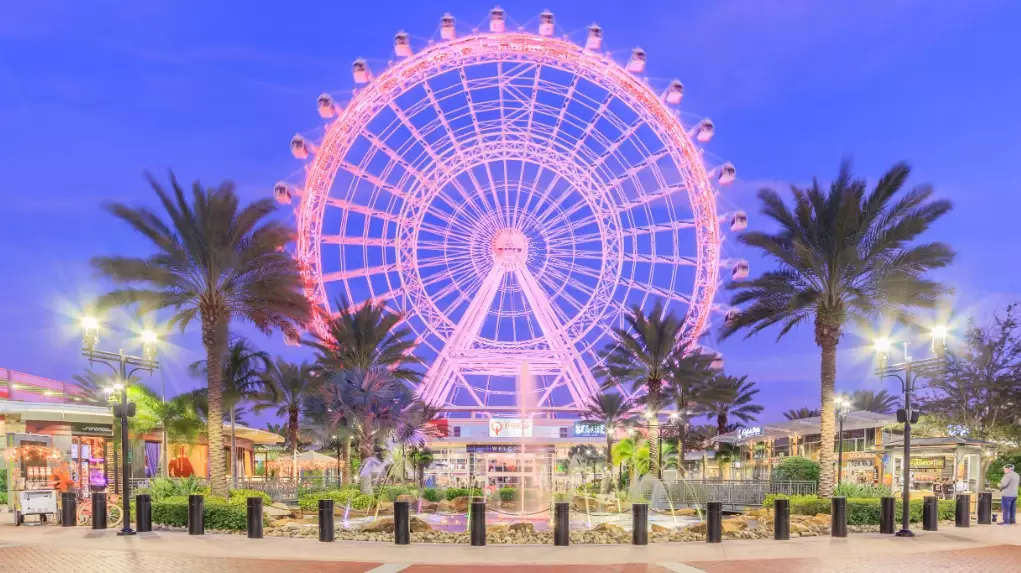
Orlando's parks are a universe of their own. Walt Disney World Resort isn't a single park; it's four theme parks, two water parks, and a sprawl of resorts. Universal Orlando Resort brings movies to life with cutting-edge rides. The common mistake? Trying to do it all in three days. You'll just be exhausted.
Here’s a quick comparison to help you decide:
| Park / Resort | Best For | Ticket Price Range (1-Day) | Don't Miss | Our Tip |
|---|---|---|---|---|
| Walt Disney World (Magic Kingdom) | Families with young kids, first-timers, classic Disney magic. | $109 - $189 | Space Mountain, "Happily Ever After" fireworks. | Genie+ can be worth it on packed days, but study how it works first. It's confusing. |
| Universal Studios Florida | Movie buffs, teens, adrenaline seekers. | $114 - $164 | Harry Potter and the Escape from Gringotts, Bourne Stuntacular. | The Park-to-Park ticket is mandatory if you want to ride the Hogwarts Express train. |
| EPCOT | Foodies, adults, cultural exploration. | $114 - $179 | Guardians of the Galaxy: Cosmic Rewind, World Showcase. | Go during a festival like Food & Wine (Fall) or Flower & Garden (Spring). |
Beach Life: Gulf vs. Atlantic
Florida has over 1,300 miles of coastline. The water on the Gulf Coast (west side) is generally calmer, warmer, and has those famous sugar-white sands around Destin and Clearwater. The Atlantic Coast (east side) has bigger waves, better for surfing, and a more energetic vibe, especially in Miami Beach.
South Beach (Miami) is for people-watching and art deco architecture. But for actually swimming and relaxing? I often drive an extra hour to Bahia Honda State Park in the Keys or head to the quieter stretches of Vero Beach on the Atlantic or Sanibel Island on the Gulf for legendary shelling.
The Wild Side: Everglades & Springs
This is the Florida most visitors overlook. The Everglades isn't a swamp; it's a slow-moving river of grass. Airboat tours are fun, but for a real feel, take a guided kayak or tram tour at Shark Valley (part of Everglades National Park). You'll see alligators, herons, maybe a turtle.
Then there are the springs. Crystal clear, 72-degree year-round water bubbling from the aquifer. Ichetucknee Springs State Park is my top pick for a lazy river tube ride. Weeki Wachee Springs is kitsch heaven with its famous mermaid show. Rent a kayak at Weeki Wachee and paddle upstream—you'll feel like you're in a Jurassic Park lagoon.
How to Plan Your Florida Itinerary
Florida is big. Driving from Pensacola to Key West takes 12 hours. Don't try to cover it all in one go. Segment your trip.
Sample 7-Day Florida Itineraries
For Families: Fly into Orlando (MCO). Spend 4 days hitting 2-3 theme parks, with a pool day in between. Then drive 2 hours to the Gulf Coast (Tampa/Clearwater) for 3 days of beach time and the Florida Aquarium.
For Nature & Adventure Lovers: Fly into Miami (MIA). Day 1: Explore Miami's Wynwood Walls. Day 2-3: Drive to the Florida Keys, stopping at John Pennekamp Coral Reef State Park for snorkeling. Day 4-5: Head north to Everglades National Park for hiking and kayaking. Day 6-7: Cross to the Gulf Coast to swim with manatees in Crystal River (seasonal, Nov-Mar).
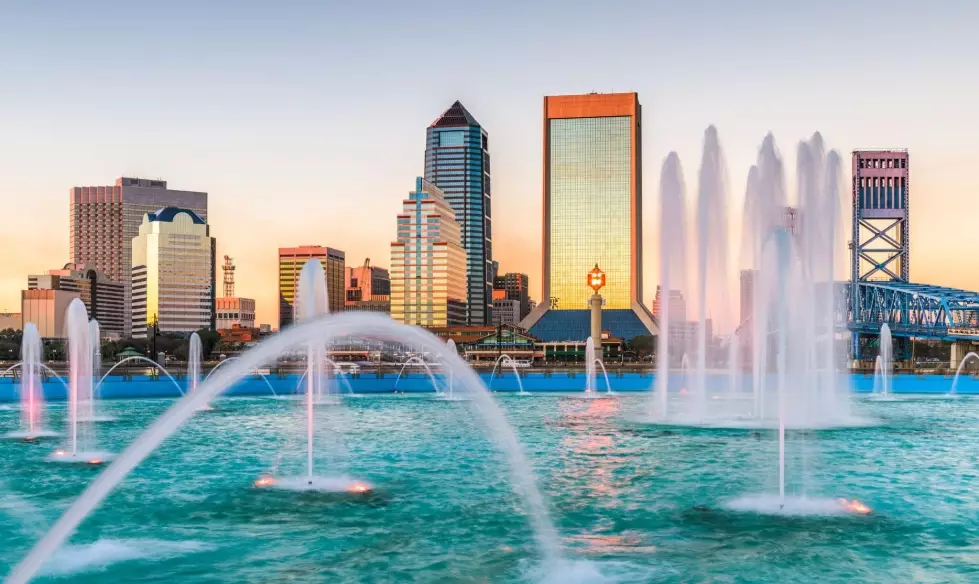
For a Relaxing Couples' Getaway: Fly into Jacksonville (JAX) or drive. Base yourself in historic St. Augustine for 3 days (castles, wine tasting). Then drive down the scenic A1A highway, stopping at quiet Atlantic beaches like Flagler Beach. Finish with 3 nights on Amelia Island for upscale resorts and horseback riding on the beach.
Florida's Hidden Gems & Local Secrets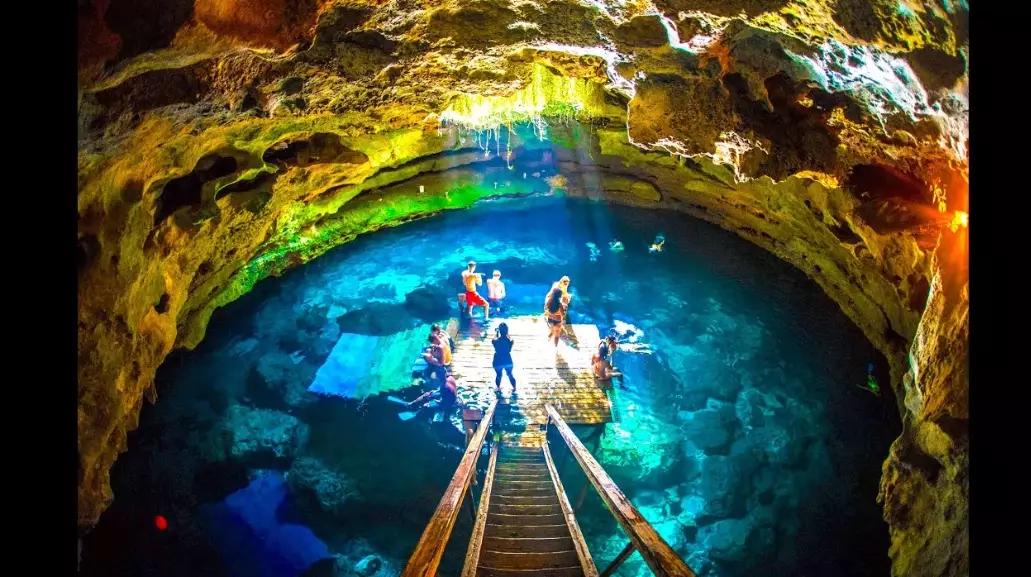
This is where you get bragging rights. Skip the crowded tourist traps and try these.
St. Augustine: It's not hidden, but it's often underrated. The oldest city in the US. Wander the cobblestone streets, tour the Castillo de San Marcos fort, and take a ghost tour that doesn't feel cheesy. The Fountain of Youth Archaeological Park is strangely charming.
Dry Tortugas National Park: 70 miles west of Key West. It's a massive brick fort (Fort Jefferson) on a tiny island surrounded by pristine coral. You get there by ferry or seaplane. It's a commitment of time and money, but swimming in water that clear with no one around is unforgettable.
The "Forgotten Coast": The stretch of Gulf Coast from Apalachicola to Port St. Joe. It's old Florida. Quaint fishing towns, incredible oysters (Apalachicola is famous for them), and empty beaches like St. George Island. Perfect for a digital detox.
Local Food Experience: In Miami, skip the overpriced South Beach cafes. Go to Versailles Restaurant in Little Havana (3555 SW 8th St) for a Cuban coffee and medianoche sandwich. It's loud, authentic, and open until midnight most days.
Practical Florida Travel Tips
A few hard-earned lessons from my trips.
Weather & When to Go: Peak season is December-April (dry, mild). It's also most crowded and expensive. Summer (May-September) is hot, humid, and has daily afternoon thunderstorms. But it's greener, and the water is bathtub warm. Hurricane season runs June-November. Always have travel insurance.
Budgeting: Florida can be cheap or wildly expensive. Theme parks and Miami Beach will drain your wallet. State parks, many beaches, and wandering historic districts are low-cost. Eat at local seafood shacks instead of waterfront tourist restaurants.
Packing: Sunscreen (reef-safe if snorkeling), a hat, and sunglasses are mandatory. A light rain jacket is wise year-round. Mosquito repellent is essential for evenings in spring/summer, especially near wetlands.
Your Florida Questions Answered
What are the best things to do in Florida with young children that aren't theme parks?
Head to the Gulf Coast. The calm, shallow waters are perfect for toddlers. Clearwater Marine Aquarium (where Winter the dolphin from the movie lived) is a great conservation-focused spot. The Museum of Science & Industry (MOSI) in Tampa has hands-on exhibits. Or, visit a U-pick farm like Southern Hills Farms for strawberry picking (seasonal). Kids love it, and you get fresh fruit.
How can I experience the real Florida and avoid the tourist crowds?
Get inland and get wet. Rent a kayak or canoe and paddle one of Florida's many rivers—the Silver River near Ocala or the Suwannee River. You'll see wildlife, cypress trees, and maybe a few locals fishing. Or, visit a smaller spring like Alexander Springs or Blue Spring State Park (in winter, it's packed with manatees, but off-season it's quiet). These places feel a world away from Orlando's hustle.
 Is it possible to have a good Florida vacation on a tight budget?
Absolutely, if you pivot your focus. Camp in one of Florida's beautiful state parks (reservations needed far in advance). Your days are filled with hiking, swimming, and kayaking for just the park entry fee. Cook your own meals. Explore free beaches and historic towns like Mount Dora or Cedar Key. A week of camping and exploring nature costs a fraction of two days at a theme park.
What's the one thing most tourists miss when they visit the Florida Keys?
They drive the Overseas Highway (US-1) straight to Key West. Pull over. Stop at Robbie's Marina in Islamorada to feed the giant tarpon ($5 per person). Grab a slice of key lime pie from Mrs. Mac's Kitchen. Snorkel at Sombrero Reef. The journey down the islands is the real experience, not just the photo at the Southernmost Point buoy.
What should I know about safety with Florida's wildlife?
Respect alligators. Never feed them, and keep a safe distance (at least 20 feet). They're common in fresh water. At the beach, pay attention to lifeguard flags for rip currents. If caught in one, don't fight it. Swim parallel to shore until you're out of it, then swim in. Jellyfish stings happen; lifeguard stations often have vinegar, which helps.
 Florida's magic isn't in a single checklist. It's in the contrast: the engineered wonder of a theme park and the untamed beauty of a spring-fed river; the glitz of Miami and the sleepy charm of a Gulf Coast fishing village. Use this guide as a starting point, mix an iconic stop or two with your own hidden gem, and you'll find your perfect Florida trip. Just remember the sunscreen.