France isn't just a country; it's a collection of worlds. You've got the postcard Paris, sure. But then you turn a corner and find a village that looks like it's been asleep for 300 years. You drive past fields of purple lavender that smell better than any perfume. You stand on a fortress island as the tide races in. Picking where to go is the hardest part. Most lists just throw famous names at you. I've lived here on and off for years, and I can tell you, the magic is in the specifics—knowing which arrondissement to stay in, that one vineyard that does tours without the crowds, the train line that saves you a fortune. This guide is about those specifics. We'll break down the essential places in France, not just what to see, but exactly how to see it, with ticket prices, train times, and a few opinions you won't find in the brochure.
Your Quick France Travel Map
- Paris: The Iconic Starting Point
- Provence: Lavender Fields and Hilltop Villages
- Loire Valley: A Fairytale of Châteaux
- Normandy: Coastal Drama and History
- The French Alps: Beyond the Ski Slopes
- Bordeaux & Wine Country
- Côte d'Azur: Glitz and Hidden Coves
- How to Choose the Right Places in France for Your Trip?
- What Are Common Mistakes When Visiting Places in France?
- Your France Travel Questions Answered
Paris: The Iconic Starting Point
Let's start with the obvious. Paris is a beast of its own. Trying to "do Paris" in two days is a recipe for misery. The key is to pick a neighborhood and dive deep.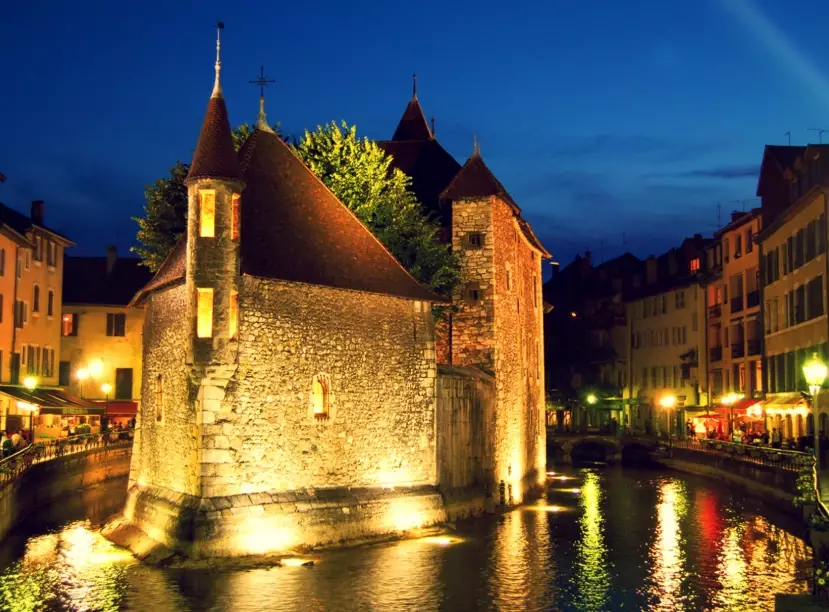
Skip the Lines, Find the Vibe: A Parisian's Shortlist
The Louvre is magnificent and overwhelming. A pro tip? Book a timed-entry ticket online for Wednesday or Friday night when it's less crowded. Head straight for the Denon wing, see the Mona Lisa (smaller than you think), and then get lost in the French paintings. Don't try to see it all. Musée d'Orsay, in a stunning old railway station, is my personal favorite for the Impressionists. Sainte-Chapelle's stained glass will ruin all other church windows for you. Go on a sunny morning.
Where to stay? The 1st arrondissement is central but can feel touristy. The Marais (3rd/4th) has cobbled streets, great cafes, and a real neighborhood feel. The Latin Quarter (5th) is lively with students. For a more local, village-like atmosphere, consider Batignolles (17th) or the area around Canal Saint-Martin (10th).
Paris Essentials at a Glance: A standard adult ticket for the Louvre costs €17 if purchased online in advance (€22 on-site). The Paris Museum Pass can be worth it if you plan to visit 3-4 museums per day. The most efficient way to get around is the metro. Buy a carnet (pack of 10 tickets) for €16.90. From Charles de Gaulle Airport (CDG), the RER B train takes about 50 minutes to the city center for €11.45. A taxi is a fixed €55 to the Right Bank.
Provence: Lavender Fields and Hilltop Villages
This is the France of dreams. But timing is everything. Come in late July expecting endless purple carpets and you'll find harvested fields. The peak bloom is typically mid-June to mid-July, varying by altitude. The Plateau de Valensole is the famous spot, but it's packed with photographers and tour buses at sunrise and sunset.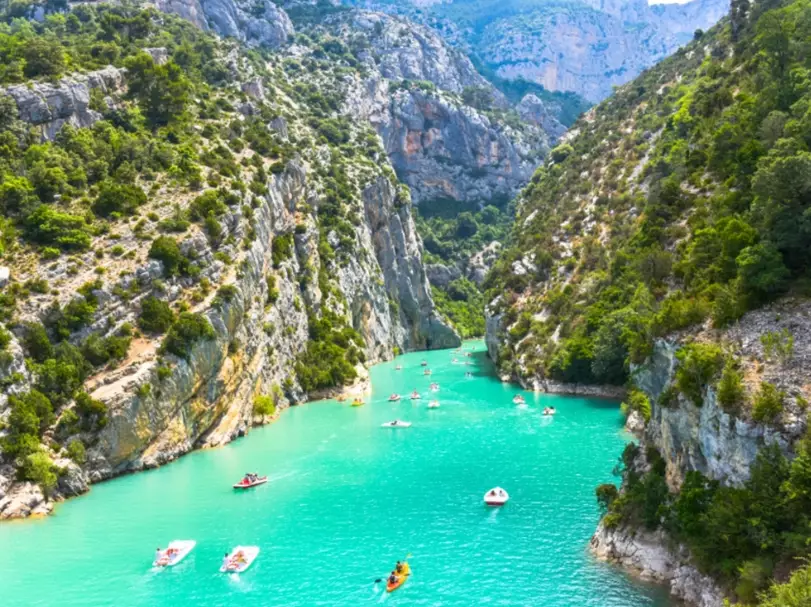
My Provençal Picks: Beyond the Postcard
Gordes is the poster child, a stunning hilltop village. Go early, have a coffee in the square, and then leave before the coaches arrive. Roussillon, with its ochre cliffs, is more unique. Hike the Sentier des Ocres through the rust-colored landscape. Les Baux-de-Provence is a dramatic fortress village. The nearby Carrières de Lumières is an immersive digital art show projected inside a quarry—unforgettable.
The biggest mistake is trying to base yourself in Avignon or Aix-en-Provence and day-trip everywhere. Rent a car (essential here) and stay in a smaller town like Saint-Rémy-de-Provence or L'Isle-sur-la-Sorgue (the "antiques capital"). You'll get the real evening atmosphere after the day-trippers leave.
Loire Valley: A Fairytale of Châteaux
This is château country. There are over 300. You'll get château fatigue after three. Choose wisely based on your interests: grandeur, gardens, or whimsy.
| Château | Key Feature | Ticket Price (Adult) | Best For | My Take |
|---|---|---|---|---|
| Chambord | Architectural masterpiece, double helix staircase | €16.50 | Scale & grandeur | The exterior is jaw-dropping. The interior is surprisingly empty. Focus on the architecture and the vast park. |
| Chenonceau | Built over the River Cher, feminine history | €17.50 | Elegance & gardens | The most beautiful. The flower arrangements in the rooms are stunning. Arrive at opening time. |
| Villandry | Renaissance ornamental gardens | €13.50 (gardens only) | Garden lovers | Skip the castle, buy the garden ticket. The geometric patterns are a living work of art. |
| Azay-le-Rideau | Romantic, reflected in a water mirror | €13.50 | Romance & charm | Smaller, intimate, and perfectly formed. A great afternoon visit. |
Base yourself in Tours or Blois for transport links, or better yet, in a charming town like Amboise. You need a car to explore freely. The train connects the main towns, but local buses to the châteaux are infrequent.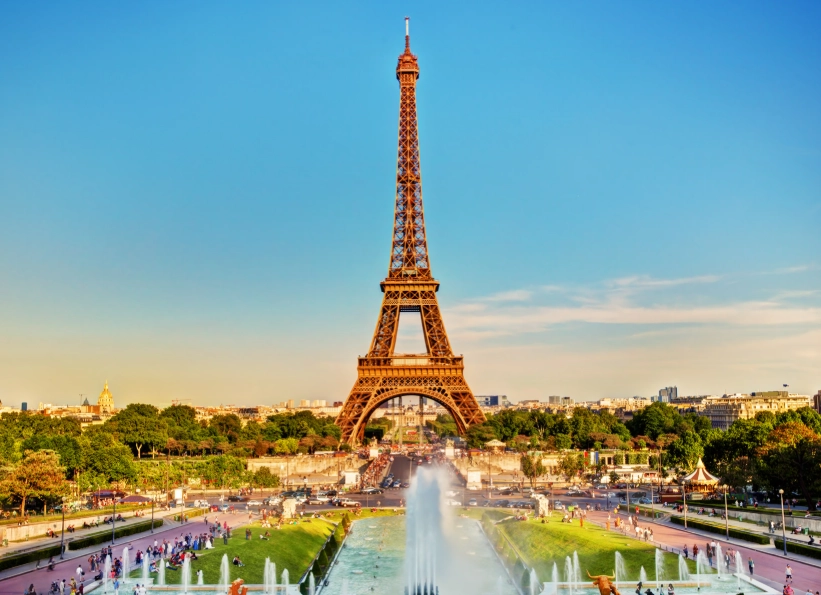
Normandy: Coastal Drama and History
Normandy delivers two powerful experiences: the solemn history of the D-Day landings and the raw beauty of its coastline.
Mont-Saint-Michel is the must-see. The mistake is going mid-day with the crowds. Stay overnight on the mainland in a town like Pontorson, and walk or take the shuttle across the causeway for sunset or sunrise. Watching the tide surround the island is magical. Book accommodation on the island itself if you want the true after-hours experience, but be prepared for touristy restaurants and high prices.
The D-Day beaches—Utah, Omaha, Gold, Juno, Sword—are a profound visit. Don't just look at the sand. Go to the Overlord Museum near Omaha Beach or the Caen Memorial Museum for context. The American Cemetery at Colleville-sur-Mer is impeccably maintained and deeply moving. Allocate a full day for this; it's not a quick stop.
The French Alps: Beyond the Ski Slopes
Summer in the Alps is France's best-kept secret. The air is clear, the wildflowers are out, and the hiking is world-class.
Chamonix is the adventure capital. Take the Aiguille du Midi cable car (€67 return – yes, it's steep) for views of Mont Blanc that will stop your heart. For a more affordable and equally stunning option, the Brévent-Flégère gondola gives you the classic panorama of the Mont Blanc massif. Hike the Grand Balcon Sud trail between them.
Annecy, the "Venice of the Alps," is all about the lake. Rent a bike and cycle the path around it, or just find a spot on the lawn by the Imperial Palace to swim. The old town is pretty but gets swamped. Go early in the morning to enjoy the canals in peace.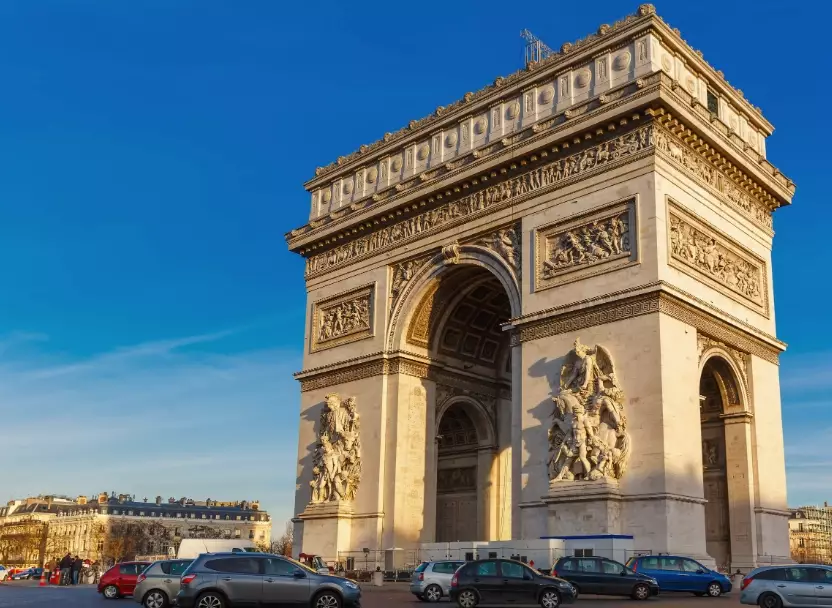
Bordeaux & Wine Country
Bordeaux the city has transformed from a sleepy port to a vibrant, elegant hub. The Miroir d'Eau (Water Mirror) in front of the Place de la Bourse is pure fun. The Cité du Vin museum is architecturally wild and offers a good global overview of wine, though it's pricey (€22).
The real magic is in the surrounding regions. Saint-Émilion is a medieval wine village built from golden stone. You can wander its steep, cobbled streets and pop into wine shops for tastings. For a more structured visit, you must book château tours in advance. Many smaller, family-run châteaux offer more personal experiences than the big names. Look for ones in the Médoc or Pomerol regions. The Bordeaux Tourist Office website has a good booking platform.
Côte d'Azur: Glitz and Hidden Coves
Nice is the perfect base. The Promenade des Anglais is iconic, but the real charm is in the Old Town (Vieux Nice) with its narrow streets, baroque churches, and the bustling Cours Saleya market. Eat socca, the local chickpea pancake.
From Nice, the train line east is spectacular. Villefranche-sur-Mer has a deep, sheltered bay perfect for swimming. Èze is a stunning hilltop village with a exotic garden at the top (€7) and views to die for. Monaco is worth a few hours for the spectacle—see the Casino square, the Prince's Palace, and the Oceanographic Museum.
To the west, Cannes is for window-shopping and beach clubs. Saint-Tropez requires a long drive or boat ride; it's more about the scene than the substance. My advice? Skip the stress and explore the smaller capes like Cap Ferrat, home to the stunning Villa Ephrussi de Rothschild gardens.
How to Choose the Right Places in France for Your Trip?
Stop trying to see it all. Match the region to your travel personality.
First-timers with 7-10 days: Paris (4 days) + Loire Valley (2 days) + Normandy (2 days) or Paris (4 days) + Provence (3 days) by TGV train. This gives you a mix of city, history, and countryside.
Romantic getaway: Paris + a deep dive into one region. Stay in a château hotel in the Loire, a *mas* (farmhouse) in Provence, or a boutique hotel in a wine village near Bordeaux.
Active outdoors: The French Alps (Chamonix/Annecy) in summer for hiking, or the Pyrenees for less crowded trails. The Atlantic coast near Biarritz is great for surfing.
Food and wine obsessed: Lyon (the gastronomic capital) + Burgundy wine region, or Bordeaux + the Dordogne for foie gras and truffles.
The French rail network (SNCF) is excellent between major cities. Use the Trainline app or the SNCF-Connect website. For regions like Provence, Alsace, or the Loire, renting a car is non-negotiable for true exploration. Book auto-toll tags for the motorways to save time.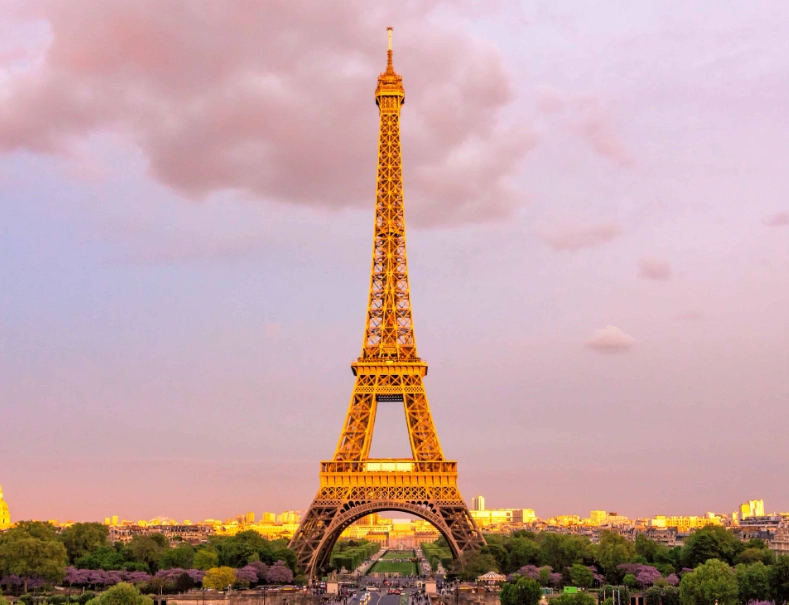
What Are Common Mistakes When Visiting Places in France?
After countless trips and helping friends plan theirs, I see the same errors.
Over-scheduling. Packing three major sights or cities into one day is a guarantee of stress. Factor in travel time, queues, and simply getting lost. One major sight per day, plus wandering, is a good rule.
Underestimating distances. France is big. Paris to Nice is a 5.5-hour train ride. Paris to Bordeaux is 2 hours. Plot your destinations on a map before you book anything.
Eating on the main square. The restaurants with the biggest terraces on the most famous plaza are usually the most expensive and least authentic. Walk one or two blocks away. Look for menus in French only, or a "*prix fixe*" (set menu) at lunchtime—incredible value.
Ignoring opening days. Many smaller museums, shops, and even restaurants close on Sundays and Mondays, and sometimes for a long lunch (12-2 pm or 1-3 pm). Always check.
Not booking ahead. For popular attractions (Eiffel Tower, Versailles, key châteaux tours), buy timed-entry tickets online weeks, if not months, in advance. It's not just about skipping the line; it's about guaranteeing entry.
Reader Comments