Let's be honest. Searching for "places to visit in America" is overwhelming. You get a million lists, all shouting about the same ten spots. I've been traveling this country for over a decade, guiding tours and making my own mistakes. This isn't just another list. It's a filter. We'll talk about the iconic places that actually deserve the hype, but more importantly, we'll dive into how to experience them right—when to go, how to save money, and the subtle mistakes that can ruin a trip.
Your Quick Travel Guide
The Five Iconic American Destinations (And How to Tackle Them)
These are the heavy hitters. You've seen them in movies. Your friends have probably been there. They're popular for a reason. But visiting them without a strategy is a surefire way to spend your vacation in lines and crowds. Here’s the breakdown.
1. Yellowstone National Park: The Geothermal Wonderland
Yellowstone isn't just a park; it's a sensory overload of geysers, wildlife, and vast landscapes. The common mistake? Trying to see it all in one day from West Yellowstone. You'll spend more time in the car than outside of it.
Yellowstone at a Glance
Address: Primarily in Wyoming, with parts in Montana and Idaho. Major entrances are at West Yellowstone, MT; Gardiner, MT; and Cody, WY.
Entrance Fee: $35 per vehicle (valid 7 days). The America the Beautiful Annual Pass ($80) is a steal if you visit more than two national parks in a year.
Best Time to Visit: Late May to late September for full access. July and August are packed. September is golden—fewer crowds, active wildlife.
Getting There: Fly into Bozeman Yellowstone Airport (BZN) or Jackson Hole (JAC). You must rent a car.
My non-consensus tip: Base yourself in two different locations. Spend two nights near the geyser basins (Old Faithful area) and two nights near Lamar Valley for wildlife. This cuts driving time drastically. Don't just wait for Old Faithful; the park's real magic is in the less predictable geysers like Grand or the surreal colors of Grand Prismatic Spring. Arrive at major sites before 9 AM or after 5 PM.
2. Grand Canyon National Park (South Rim): The Scale is Everything
Photos don't prepare you. The sheer size is humbling. Most visitors make a critical error: they only go to the rim viewpoints, snap a picture, and leave. You've missed the point.
To understand the Grand Canyon, you have to descend into it, even if just a little. The Bright Angel Trail is the safest and best-maintained path down. A hike to the 1.5-mile resthouse and back gives you a completely different perspective. It's strenuous, so carry way more water than you think you need—a gallon per person per day is not an exaggeration.
3. New York City: The Concrete Jungle Pace
Pick a neighborhood and explore it deeply. Instead of just walking through Times Square (which, frankly, is overwhelming and not where New Yorkers hang out), use it as a transit hub. Then, get lost in the West Village. Have a coffee in a side-street café. Walk the High Line from Chelsea to Hudson Yards. For Broadway, the TKTS booth in Times Square sells same-day discounted tickets, but you can often find better deals on TodayTix app for off-Broadway shows that are just as good.
| NYC Essential Info | Details |
|---|---|
| Getting Around | The subway is your best friend. Get a 7-day Unlimited MetroCard ($34) if staying 4+ days. Ride-sharing is expensive and slow in traffic. |
| Must-See Museum | The Metropolitan Museum of Art ($30 for adults). Plan for at least 4 hours. The American Wing and rooftop garden are highlights. |
| Budget Saver | The New York CityPASS saves about 40% on entry to 5-6 major attractions like the Empire State Building and 9/11 Museum. |
| Local Food Spot | Skip the overpriced steakhouse. Go to a classic Jewish deli like Katz's Delicatessen on the Lower East Side for a pastrami sandwich. |
4. New Orleans French Quarter: More Than Bourbon Street
Yes, the French Quarter is famous for Bourbon Street. But if you spend your whole time there, you've seen the least interesting, most tourist-trap part of the city. The real magic is in the architecture, the live jazz pouring out of unmarked doors, and the history.
Wander Royal Street during the day for antique shops and street performers. Listen to jazz at Preservation Hall (get tickets in advance) or find a smaller spot on Frenchmen Street. Beignets at Café du Monde are a rite of passage—go late at night or early morning to avoid the epic lines. For a deeper dive, take a walking history tour focused on voodoo or the above-ground cemeteries.
5. Washington D.C. National Mall: A Free History Lesson
The concentration of free, world-class museums and monuments is unmatched. The error? Not reserving what needs to be reserved. You can't just walk into the Washington Monument or the United States Holocaust Memorial Museum at peak time.
Book your timed-entry tickets to the Holocaust Museum and the National Museum of African American History and Culture months in advance online. For the Washington Monument, tickets are released 30 days ahead at 10 AM ET and sell out in minutes. If you miss out, many other Smithsonian museums (Air and Space, Natural History) require no tickets and are equally fantastic. Wear comfortable shoes—the distances between the Lincoln Memorial and the Capitol are much longer than they look.
Beyond the Big Names: Underrated American Gems
If you want to escape the international crowds and see something uniquely American, these spots deliver without the hassle.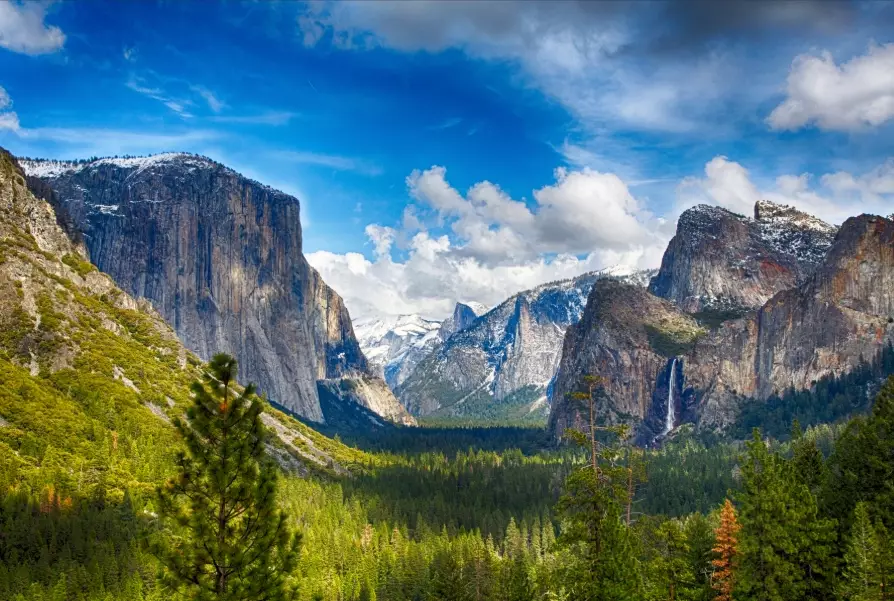
Sedona, Arizona: Two hours north of Phoenix. It's not a park, but a town surrounded by stunning red rock formations. Less about checklist sights, more about hiking (Cathedral Rock trail is a must), spiritual vibes, and jaw-dropping scenery. The drive up Oak Creek Canyon is as beautiful as anything in the Southwest.
Asheville, North Carolina: Nestled in the Blue Ridge Mountains. The draw is a mix of incredible food and beer scene (more breweries per capita than almost any US city) and easy access to the outdoors. The Biltmore Estate is the grand historic home, but driving the Blue Ridge Parkway and hiking in Pisgah National Forest are the real treasures.
San Juan Islands, Washington: A short ferry from Seattle or Anacortes. Orcas Island and San Juan Island feel a world away. The pace is slow. You come for kayaking with a chance of seeing orca whales, biking pastoral roads, and eating fresh seafood. Friday Harbor is a charming base. This is the antithesis of a rushed city break.
Your Burning Travel Questions, Answered