Boston is one of those cities that feels both historic and vibrant, with layers of American history woven into modern urban life. If you're planning a visit, you might be overwhelmed by the options—I was on my first trip. But after living here for years and guiding friends around, I've narrowed down the must-see spots. This guide dives deep into Boston travel attractions, giving you the practical details you need to plan like a pro.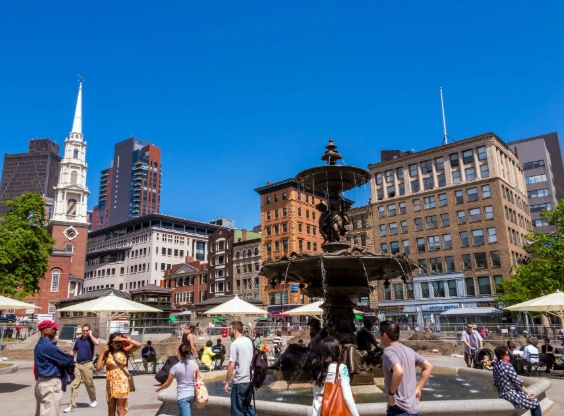
What's Inside This Guide
The Essential Boston Attractions You Can't Miss
Let's cut to the chase. Boston has iconic sites, but not all are worth your time if you're short on days. Here are the top picks based on historical significance, visitor experience, and my personal bias.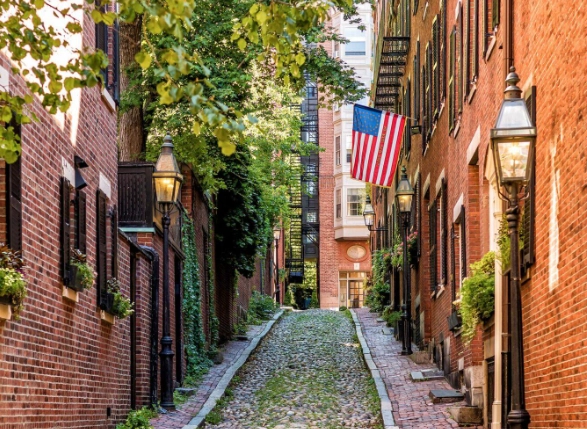
The Freedom Trail: Walking Through History
You can't talk about Boston without mentioning the Freedom Trail. It's a 2.5-mile red-brick path linking 16 historic sites, from the Boston Common to the Bunker Hill Monument. I've walked it a dozen times, and it never gets old—but here's the catch: most people just follow the bricks without context.
My advice? Don't rush it. Spend a half-day, and if you're on a budget, skip the paid interiors like the Paul Revere House unless you're a history buff. The exterior views and plaques tell most of the story.
Fenway Park: More Than Just a Ballpark
Even if you're not a baseball fan, Fenway Park is a cultural landmark. Built in 1912, it's the oldest MLB stadium still in use. I took my cousin there last fall, and he was blown by the atmosphere, even during a non-game tour.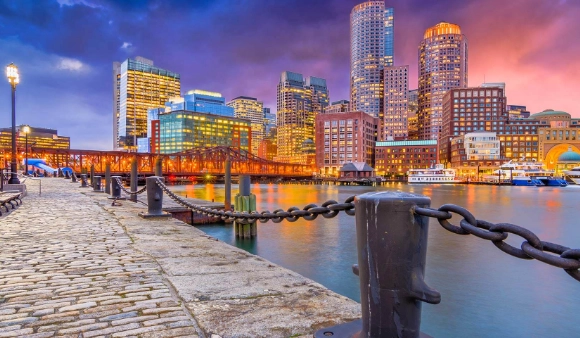
The tour guides share quirky stories, like about the "Green Monster" wall. It's worth the price for the photo ops alone.
Boston Common and Public Garden: The City's Green Heart
These adjacent parks are Boston's lungs. The Common is America's oldest public park, dating back to 1634. I often jog here, and it's a perfect spot to relax between sightseeing. The Public Garden is more manicured, with the famous Swan Boats.
In spring, the tulips are stunning. Avoid midday crowds—early morning is serene.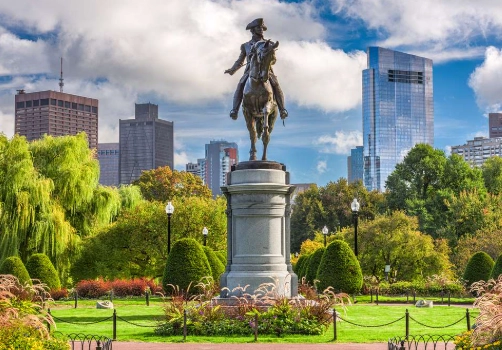
Museum of Fine Arts: A Cultural Treasure
Boston's MFA is one of the largest art museums in the U.S., with collections spanning ancient to contemporary. I spent a rainy afternoon there last year and lost track of time in the Impressionist wing.
If you're short on time, focus on the American and Egyptian galleries. They're highlights.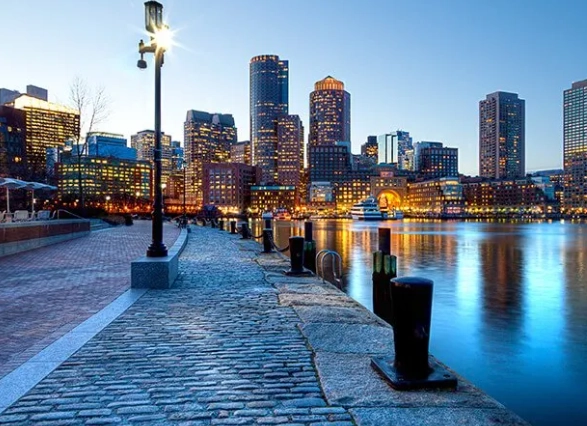
Quincy Market: Food and Fun
Quincy Market in Faneuil Hall Marketplace is a foodie paradise, but it's touristy. I love the clam chowder from Boston Chowda Co., but the lines can be insane. The building itself, built in 1826, is historic.
Go on a weekday morning for fewer crowds. The lobster roll is overpriced, but try it once for the experience.
How to Plan Your Boston Itinerary Like a Pro
Planning a Boston trip isn't just about listing attractions; it's about logistics. Let's say you have three days. Here's a sample itinerary I've used for friends.
Day 1: History and Downtown
- Morning: Start at Boston Common, walk the Freedom Trail to Faneuil Hall.
- Afternoon: Lunch at Quincy Market, then explore the North End (Boston's Little Italy).
- Evening: Dinner in the North End—try Regina Pizzeria, but expect a wait.
Day 2: Culture and Parks
- Morning: Visit the Museum of Fine Arts (book tickets online).
- Afternoon: Stroll through the Public Garden, maybe a Swan Boat ride.
- Evening: Catch a game or tour at Fenway Park if available.
Day 3: Waterfront and Beyond
- Morning: Explore the Boston Tea Party Ships & Museum (tickets around $30).
- Afternoon: Walk along the Harborwalk, visit the Institute of Contemporary Art if time.
- Evening: Relax at a brewery in South Boston.
This balances sightseeing with downtime. Use the MBTA subway—it's efficient and cheaper than rideshares.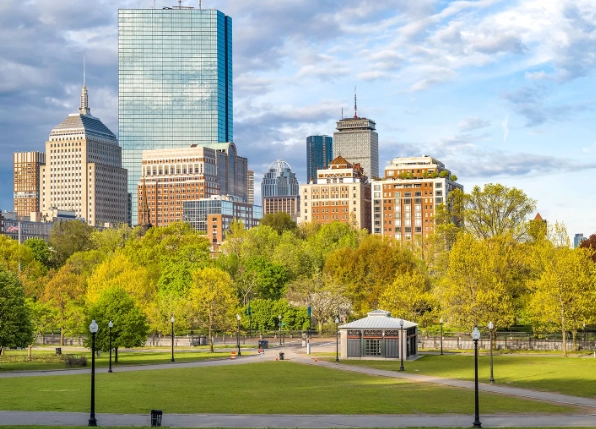
Insider Tips for Saving Money and Avoiding Crowds
Boston can be expensive, but there are ways to cut costs. From my experience, here's what most guides don't tell you.
First, consider the Boston CityPASS. It covers entry to four attractions like the New England Aquarium and Skywalk Observatory for around $60. If you hit those spots, it saves about 40%. But if you're more into free walks, skip it.
Second, crowds peak in summer and during events like the Boston Marathon. Visit in shoulder seasons—late April to early June or September to October. Weather is mild, and attractions are less packed.
For transportation, get a CharlieCard for discounted MBTA fares. Parking downtown is a nightmare and costs upwards of $40 a day. I learned that the hard way when my car got towed near Beacon Hill.
Lastly, many museums offer free hours. The Boston Public Library has free tours, and the USS Constitution Museum is donation-based. Check websites like the Greater Boston Convention & Visitors Bureau for updates.
Common Mistakes Tourists Make in Boston (and How to Avoid Them)
I've seen visitors stumble, so here's a quick list of pitfalls.
- Overpacking the itinerary: Boston is walkable, but trying to do too much in one day leads to burnout. Focus on 2-3 attractions daily.
- Ignoring the weather: New England weather is unpredictable. Bring layers, even in summer. I got caught in a rainstorm on the Freedom Trail without an umbrella—not fun.
- Sticking only to downtown: Neighborhoods like Cambridge (home to Harvard and MIT) are worth a trip. Take the Red Line across the river for a different vibe.
- Not booking in advance: For popular spots like Fenway tours or dinner at top restaurants, book ahead. Walk-ins often face long waits.
Also, don't assume all "historic" sites are equally engaging. The Old State House is interesting, but if you're short on time, the exterior view might suffice.
Reader Comments