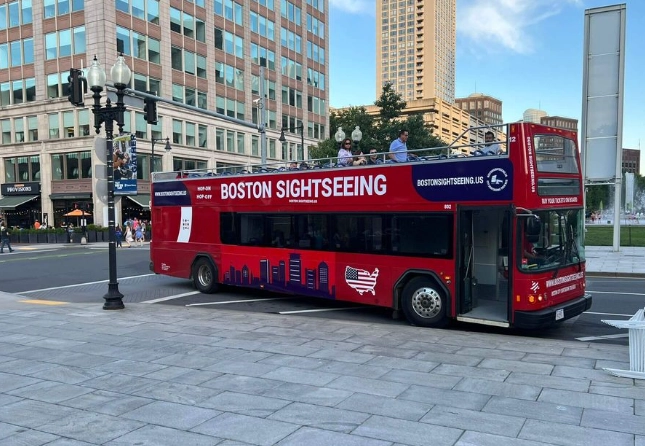
Let's be honest. Most Boston sightseeing guides give you the same list: Freedom Trail, Faneuil Hall, maybe the Museum of Fine Arts. It's not wrong, but it's a blueprint for a crowded, checklist-style trip. Having spent a decade exploring every corner of this city—first as a student, then as a tour guide, and now as someone who just loves the place—I've seen the mistakes visitors make. The biggest one? Trying to see everything "important" and missing what makes Boston truly special. This guide is different. We'll cover the essentials you can't miss, but I'll also show you how to see them smarter, and point you to the quieter, equally fascinating places most tourists rush past.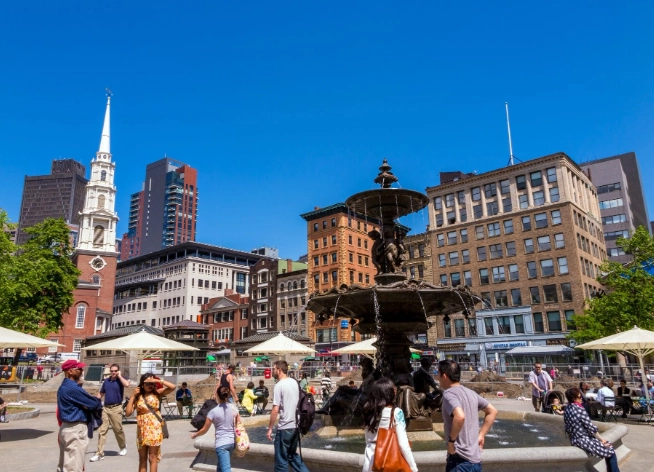
Your Boston Sightseeing Blueprint
The Boston Sightseeing Core: What You Really Need to See
Boston's magic is in its layers. You have the revolutionary history literally embedded in brick sidewalks, a world-class academic and cultural scene, and a relaxed, maritime vibe along its waterfront. Trying to tackle it all in one go is a recipe for sore feet. Instead, think of your visit in three clusters.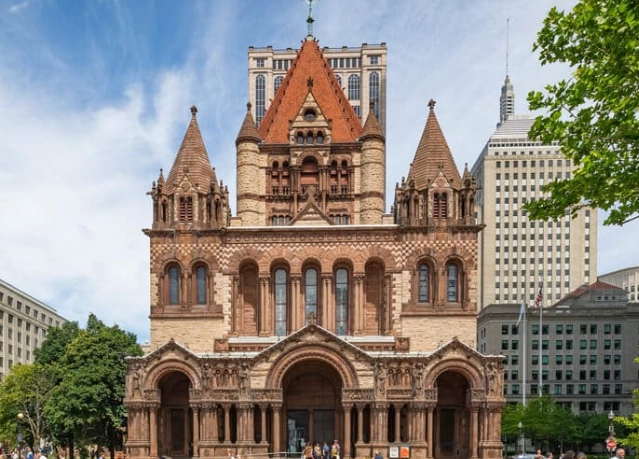
The Historic Heartbeat. This is the Freedom Trail territory. The 2.5-mile red-brick line connects 16 historically significant sites. My non-negotiable advice? Don't feel obligated to tick all 16 boxes. The trail is a fantastic framework, but its real value is the walk through the city's oldest neighborhoods—Charlestown, the North End, Downtown. Focus on the experience, not the completion certificate.
The Cultural & Intellectual Hub. Across the Charles River in Cambridge, Harvard and MIT offer a different energy. Back in Boston proper, the Museum of Fine Arts (MFA) and the Isabella Stewart Gardner Museum are neighbors in the Fenway area. They're not just buildings with art; the Gardner, in particular, is one of the most personal and hauntingly beautiful museums you'll ever visit, born from one woman's eccentric vision.
The Waterfront & Green Spaces. Boston is a city that breathes with its harbor and parks. The Boston Public Garden (swan boats included) and the Boston Common are the green lungs. The Seaport District, once just warehouses, is now a gleaming example of modern Boston with great restaurants and harbor walks. For the best view, you head to the water or to one of the city's taller vantage points.
A Quick Reality Check
Boston is a walking city, but it's not flat. Wear real shoes. The "T" (subway) is old and can be frustratingly slow, but it's your best friend for covering longer distances. And while the seafood is legendary, the best chowder isn't always at the most famous tourist spot.
A Deep Dive on Key Boston Attractions
Here’s where we get specific. Below is a breakdown of the major stops, with the practical details you need to plan, plus my personal take on how to approach each one.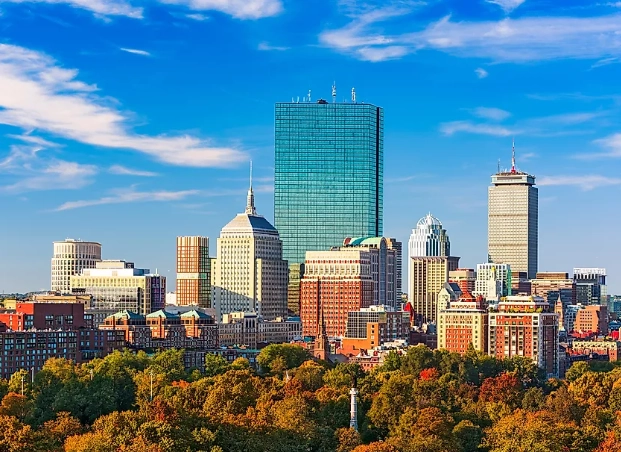
| Attraction | What It Is | Key Info (Address, Hours, Cost) | Local's Tip |
|---|---|---|---|
| The Freedom Trail | A 2.5-mile walking route linking historic sites from the Boston Common to Bunker Hill. | Start: Boston Common Visitor Center. Cost: Free to walk; individual sites charge fees. Guided Tours: From $15-20. Time: 2-4 hours for highlights. | Start early (by 9 AM) to beat crowds. Don't do the whole thing backwards from Bunker Hill—you'll fight uphill and against the tour group flow. The National Park Service offers free tours from the Visitor Center that are fantastic. |
| Faneuil Hall Marketplace | Historic meeting hall and bustling marketplace (Quincy Market) with food stalls and shops. | Address: 1 Faneuil Hall Sq. Hours: Marketplace 10 AM-9 PM; Hall hours vary. Cost: Free to enter. | It's crowded and chaotic. Go for the history in the Great Hall upstairs, grab a quick bite in Quincy Market, but for a better meal, walk 5 minutes into the North End. The street performers are a fun, free show. |
| Boston Public Garden & Common | America's first public botanical garden and the adjacent older public park. | Address: Bordered by Arlington, Boylston, Charles, and Beacon St. Swan Boats: ~$4.50, seasonal (Apr-Sept). Hours: Park is always open. | This is your peaceful escape. The Swan Boats are charmingly old-school. For a classic photo, stand on the little bridge looking towards the Arlington Street gate. |
| Museum of Fine Arts (MFA) | One of the most comprehensive art museums in the Americas. | Address: 465 Huntington Ave. Hours: 10 AM-5 PM (Wed-Fri till 10 PM). Admission: $27 for adults. Website: mfa.org | It's massive. Pick a wing (Ancient World, American, Impressionist) and focus. Wednesday nights after 4 PM are "pay what you wish" (but expect a line). The Gardner Museum is a 5-minute walk away—doing both in one day is art overload for most. |
| Fenway Park Tour | Guided tour of America's oldest MLB ballpark, home of the Red Sox. | Address: 4 Jersey St. Tour Times: Multiple daily, year-round. Cost: ~$25. Book Ahead: Essential. | Even if you're not a baseball fan, the history and engineering of this 1912 park are fascinating. The tour guides are excellent storytellers. Sit on the Green Monster in your mind. |
The Underrated Gems Most People Miss
While you're near the MFA, the Isabella Stewart Gardner Museum is non-negotiable. It's $20, but the courtyard alone is worth it. The 1990 art heist (still unsolved) adds a layer of intrigue. Go mid-week if you can for quiet.
In the North End, everyone lines up for Mike's Pastry. Skip it. Modern Pastry on Hanover Street has cannoli that are, in my and many locals' opinion, superior and the line moves faster. Get one to go and walk to the nearby Christopher Columbus Waterfront Park.
For a view that rivals the Prudential's Skywalk but is free, head to the Top of the Hub lounge in the Prudential Center. You don't need to buy the observation deck ticket. Just go up to the 52nd floor, order a (pricey) drink at the bar, and enjoy the same panoramic view. It's a perfect sunset spot.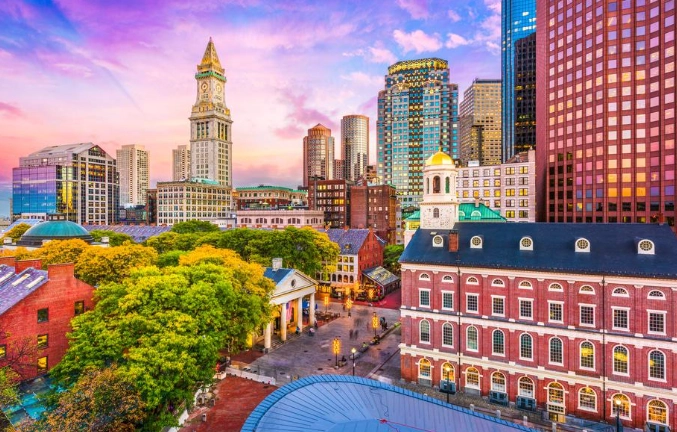
How to Plan Your Boston Sightseeing Itinerary
Geography is your friend here. Group activities by neighborhood to minimize backtracking.
If You Have One Day: This is a Freedom Trail-focused day. Start at the Boston Common, walk through the Public Garden, follow the trail to Faneuil Hall for lunch (maybe in Quincy Market for speed), continue into the North End for afternoon espresso and pastry. End your walk at the USS Constitution or Copp's Hill Burying Ground for harbor views. You'll have walked the historic core.
If You Have Two Days: Day 1: Freedom Trail highlights (Common, State House, Park Street Church, Granary Burying Ground, Old South Meeting House, Faneuil Hall). Lunch in the North End. Afternoon exploring the North End's shops and Old North Church. Day 2: Morning at the Museum of Fine Arts OR Isabella Stewart Gardner. Afternoon in Back Bay (walk Newbury Street, see the Public Library, maybe go up the Prudential). Evening in the Seaport for a waterfront dinner.
If You Have Three Days: Day 1 & 2 as above. Day 3: Cross the river. Morning exploring Harvard Square in Cambridge (walk the yard, browse the bookstores). Take the "T" red line back to South Station and spend your afternoon on a harbor cruise or walking the Harborwalk. Consider a tour of the JFK Presidential Library in Dorchester—it's a bit out of the way but architecturally stunning and a powerful experience.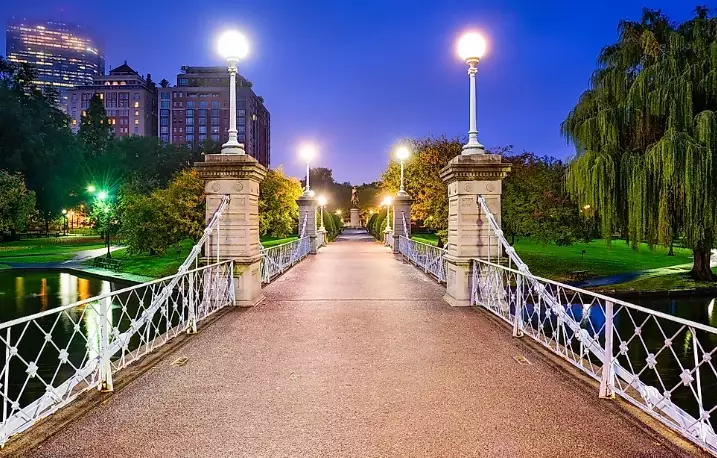
Local's Sightseeing Tips: Saving Money & Sanity
Transport: Get a CharlieCard (the reusable plastic card) or a 1-day or 7-day "LinkPass" on the MBTA app. It's cheaper per ride than buying paper tickets. The subway and buses will get you almost anywhere. The commuter rail is different and costs more. For a scenic (and functional) route, take the MBTA ferry from Long Wharf to Charlestown Navy Yard—it's a $4.50 subway fare and gives you a mini-harbor cruise with a great view of the city.
Tickets & Passes: The Boston CityPASS covers the New England Aquarium, Museum of Science, Skywalk Observatory, and either the Harvard Museum of Natural History or a harbor cruise. Do the math. If you plan to visit 3+ of those, it saves money. If your interests are more historical (like the Paul Revere House, Old State House), it won't help. Many museums have free or discounted hours (like the MFA Wed nights, ICA Thurs nights). Always check museum websites.
Timing: Summer and fall (foliage season) are peak. They're beautiful but packed. Spring can be chilly and rainy, but hotels are cheaper. Winter is quiet and can be lovely if you don't mind the cold—museums are empty. Major holidays (Patriots' Day, Fourth of July) bring huge crowds and road closures.
Food Strategy: Eat outside the immediate tourist zones. The North End has better restaurants than Quincy Market. The Seaport has trendy spots. For a classic, no-frills lobster roll, I still prefer James Hook & Co. (440 Atlantic Ave) over the fancier places. It's takeout by the water.