Ask anyone about things to do in Florida, and you'll likely hear "Disney World" within the first three seconds. It's the giant, glittering elephant in the room. But after a decade of exploring the Sunshine State—getting lost in its swamps, chatting with old-timers in coastal fish shacks, and yes, navigating the theme park crowds—I can tell you Florida's magic runs much deeper than any castle moat. The real challenge isn't finding something to do; it's choosing which version of Florida you want to experience. Are you after pristine nature, vibrant city life, laid-back island time, or a mix of it all? This guide cuts through the generic lists and gives you a local's framework for building an unforgettable trip, packed with specifics you can actually use to book tickets and hit the road.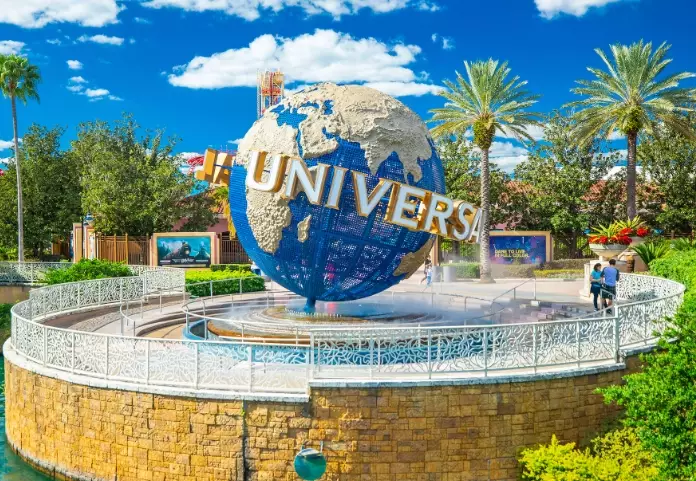
Your Florida Adventure at a Glance
Coastal & Beach Life: More Than Just Miami
Florida has over 1,300 miles of coastline. Picking the right beach is everything. The postcard-perfect, powder-white sands and turquoise waters are primarily on the Gulf Coast, from the Panhandle down to Sarasota. The Atlantic Coast has its own charm—wider, harder-packed sands often better for biking and driving, with bigger waves for surfers.
Gulf Coast Gems: Siesta Key & Sanibel Island
Siesta Key, near Sarasota, consistently ranks among the best beaches in the U.S. for a reason. The sand is 99% quartz, so it's cool underfoot even on blistering days. Parking at the main public beach (948 Beach Rd, Sarasota) fills up by 10 AM, but there's a large paid lot across the street. It's free to access the beach itself. For a quieter vibe, head to Turtle Beach at the south end.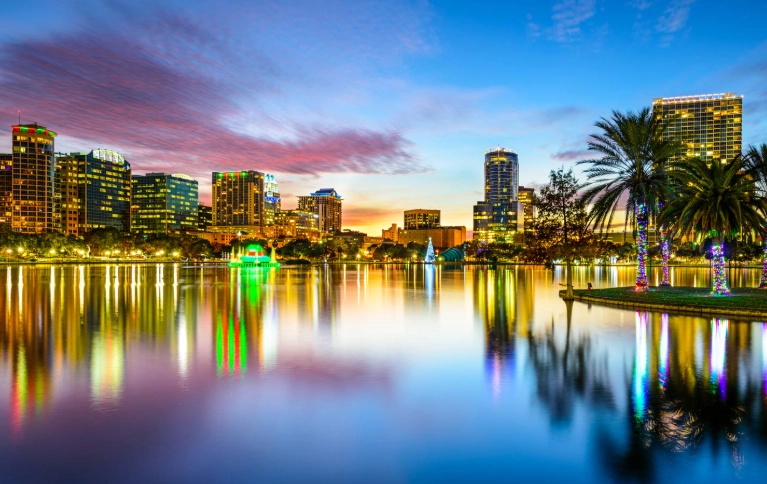
Sanibel Island is a sheller's paradise. The island is on a unique east-west slant, acting like a scoop for shells. The best time to go is at low tide, especially after a storm. Bowman's Beach is the most popular and for good reason—it's expansive and has great facilities. Parking costs $5 per hour. A non-consensus tip? Skip the crowded main stretches and rent a bike to explore the quieter beach accesses along the island's shared-use path. The Bailey-Matthews National Shell Museum is worth the stop to identify your finds.
The Atlantic Side: Space Coast & The Keys
For a completely different beach experience, head to the Space Coast (Cocoa Beach, Melbourne). Here, the beach is a front-row seat to rocket launches from Kennedy Space Center. Check the launch schedule on the NASA website—if your dates align, it's a spectacle you'll never forget. Cocoa Beach Pier is touristy but fun for a drink with ocean views.
And then there's The Florida Keys. This isn't about sprawling sandy beaches; it's about the water. The star activity here is snorkeling or diving. John Pennekamp Coral Reef State Park in Key Largo (MM 102.5) is the first underwater park in the U.S. You can take a glass-bottom boat tour ($24/adult) if you don't want to get wet, but the snorkeling trip ($38/adult + gear) to see the Christ of the Abyss statue is iconic. Further down, Bahia Honda State Park (MM 37) in the Lower Keys has one of the few natural sandy beaches and offers stunning views from the old railroad bridge.
Inland & Natural Wonders: The Wild Heart of Florida
If you only stick to the coast, you're missing half of Florida's personality. Inland is where you find the real, primordial Florida—the one of crystal-clear springs, slow-moving rivers, and vast, sawgrass prairies.
Springs & Waterways
North Central Florida is spring country. Ichetucknee Springs State Park (12087 SW US Hwy 27, Fort White) is my top pick for a tubing trip. You float down a crystal-clear, 72-degree river surrounded by lush forest. Rent tubes from vendors outside the park's south entrance. The park limits daily entrants, so arrive early, especially on summer weekends. The full 3-hour float is the way to go.
Silver Springs State Park (5656 E Silver Springs Blvd, Silver Springs) is famous for its glass-bottom boats, a throwback to Old Florida. The kayak rental here lets you paddle alongside wild monkeys (descendants of a 1930s tourist attraction)—keep a safe distance.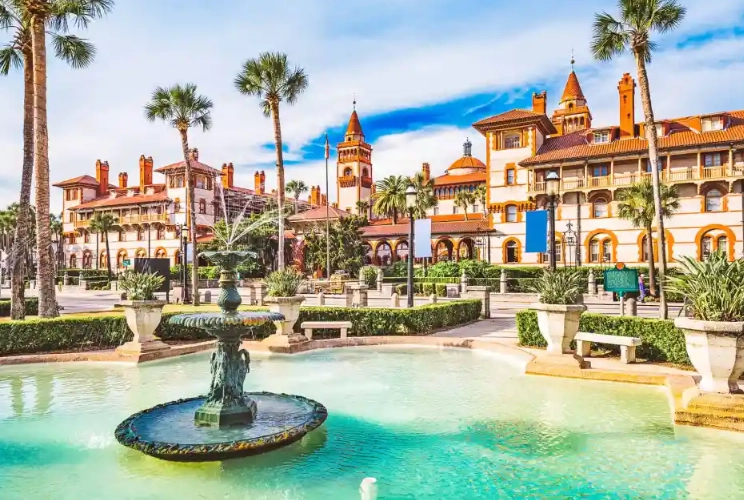
The Everglades: Not Just a Swamp
This is a UNESCO World Heritage Site and an ecosystem unlike any other on the planet. The biggest mistake visitors make is trying to "do the Everglades" in a couple of hours from Miami. It deserves a day.
| Park/Area | Best For | Key Activity & Details |
|---|---|---|
| Shark Valley (Everglades National Park) | Easy access, wildlife spotting | 15-mile tram tour or bike rental. The observation tower at the halfway point gives a 360-degree view of the "River of Grass." $25 vehicle entrance fee. Alligators are commonly seen along the road. |
| Ernest F. Coe Visitor Center (Main Park Entrance) | Hiking & scenic drives | Start here. The Anhinga Trail (0.8 miles, paved) is arguably the best trail for guaranteed wildlife views—alligators, herons, anhingas—right from the boardwalk. |
| Everglades City / Gulf Coast | Boat-based exploration | Take an airboat tour (I recommend smaller, family-run operators outside the national park boundaries for a more personal experience) or a ten-thousand islands boat tour to see dolphins and coastal birds. |
Urban & Cultural Hubs: Art, Food, and Nightlife
Florida's cities are cultural melting pots, each with a distinct flavor.
Miami is obviously about South Beach art deco, but the Wynwood Walls (2520 NW 2nd Ave, Miami) are a must-see for contemporary art. General admission is around $12. For food, skip the overpriced Ocean Drive restaurants. Head to Versailles (3555 SW 8th St) in Little Havana for a quintessential Cuban coffee and sandwich. It's loud, chaotic, and authentic.
St. Augustine is the opposite—the nation's oldest continuously occupied city. Walking the cobblestone streets of the historic district is free. The Castillo de San Marcos (1 S Castillo Dr) is the star attraction. The $15 adult ticket is valid for 7 days. A hidden gem is the Lightner Museum, housed in a former grand hotel. The cafe in the former swimming pool is a stunning spot for lunch.
Tampa & St. Pete offer a great combo. Tampa's Riverwalk connects museums and parks. The Columbia Restaurant in Ybor City (2117 E 7th Ave) has been serving Spanish cuisine since 1905—get the 1905 Salad. Across the bay, St. Petersburg has become an art powerhouse. The Dalí Museum (1 Dali Blvd) is architecturally stunning and holds the most comprehensive collection of Dalí's work outside Spain. Tickets are $29 online. The free St. Pete Pier is a great place to end the day.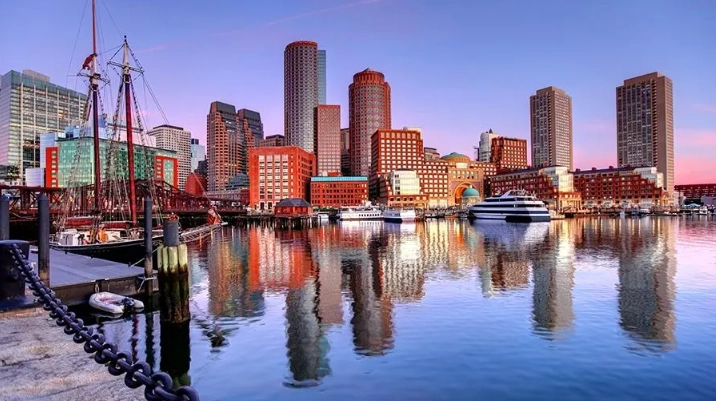
How to Plan Your Florida Itinerary Based on Your Interests
Here’s where most generic lists fail. Throwing 50 attractions at you isn't helpful. You need a plan. Florida is big. Driving from Miami to Pensacola takes nearly 12 hours. Focus on one or two regions.
For First-Timers/Families (7-10 Days): Fly into Orlando (MCO). Do 3-4 days for theme parks, but schedule a down day in the middle—maybe at a natural spring like Rock Springs at Kelly Park ($3 entry, get there by 8 AM to get a tube). Then drive to the Gulf Coast (2 hours) for 3 days of beach time on Siesta Key or Clearwater. Spend your last day in Tampa or St. Augustine on the way back to the airport.
For Nature Lovers & Adventurers (7 Days): Fly into Miami (MIA) or Fort Lauderdale (FLL). Day 1: Explore the Everglades from the Shark Valley or Ernest Coe entrance. Day 2-3: Drive down to the Florida Keys. Stop at Pennekamp Park for snorkeling, spend a night in Islamorada, and aim to reach Key West for sunset at Mallory Square. Day 4-5: Drive back up and cross to the Gulf Coast, aiming for Sanibel Island for shelling and a wildlife cruise from Fort Myers. Fly out of Fort Myers (RSW) or Tampa (TPA).
The Urban Explorer & Foodie (5 Days): Fly into Tampa (TPA). Hit the Riverwalk, Ybor City, and the Dalí Museum in St. Pete. Next, drive to Orlando (1.5 hrs) not for Disney, but for its incredible food scene in the Mills 50 district or Winter Park. Then head to St. Augustine (2 hrs) for history, then up to Savannah or Jacksonville to fly out.
Reader Comments