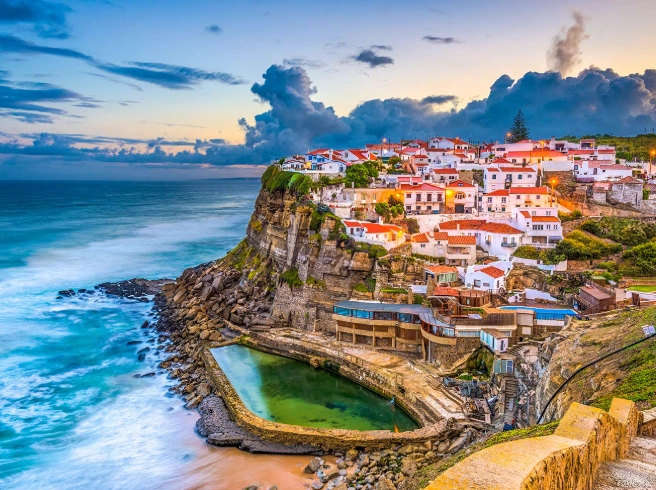
I got hopelessly lost in Lisbon's Alfama district on my first trip to Portugal. The map on my phone was useless against that maze of sun-drenched, laundry-strung alleys. But that wrong turn led me to a tiny square with an old man playing Fado on a guitar, a moment no guidebook could schedule. Portugal has a way of doing that—its official landmarks are stunning, but the magic often happens in between.
If you're looking for a list of places to see in Portugal, you'll find a hundred. This one is different. It's filtered through multiple trips, mistakes (like trying to see Sintra in three hours), and conversations with Portuguese friends who groaned at the usual tourist trails. We'll cover the iconic spots you can't miss, but more importantly, how to experience them without the headache, and where to find the quieter, equally beautiful alternatives.
Your Portugal Sightseeing Roadmap
Why Listen to Me? A Quick Story
After that first confusing but wonderful trip, I kept going back. I've sipped port in Vila Nova de Gaia cellars, gotten sunburnt on Algarve cliffs, and spent a rainy afternoon in a Coimbra bookstore that felt like a cathedral. I've also stood in two-hour lines, paid too much for terrible tourist meals, and learned the hard way that not all *miradouros* (viewpoints) are created equal.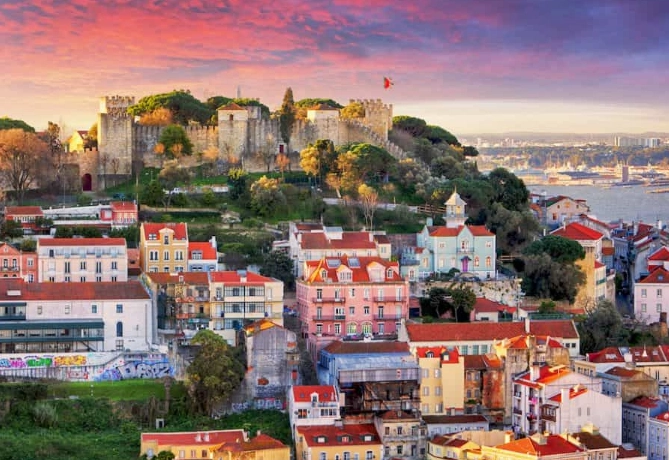
This guide is the one I wish I'd had. It's not just a checklist. It's about understanding the rhythm of the place—like knowing that lunch is at 1 pm, dinner at 8 pm is early, and that a *bica* (espresso) is best enjoyed standing at a café counter.
Navigating Portugal's Must-See Cities and Towns
Portugal packs incredible variety into a small space. You can go from city buzz to vineyard serenity in under an hour. Let's break it down by region.
Lisbon: The Seven-Hilled Capital
Lisbon isn't a city you just see; you feel it in your calves. The iconic yellow Tram 28 is famous for a reason, but it's also a pickpocket's paradise and often crammed. For a better experience, walk the route early in the morning or take Tram 12 for a shorter, less crowded loop through Alfama.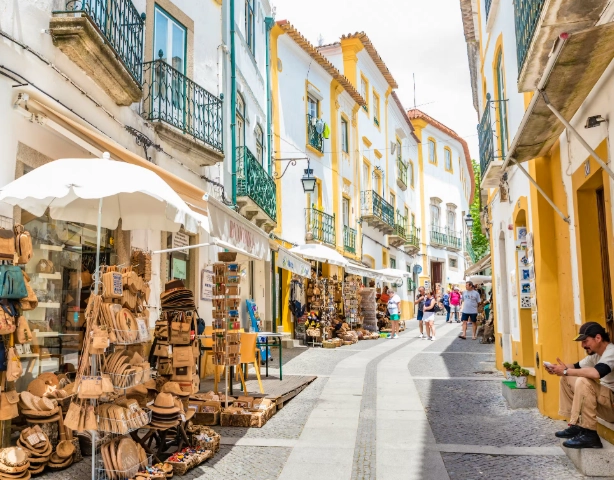
Lisbon's Non-Negotiables:
Belém District: Home to the Jerónimos Monastery (Praça do Império, 10 AM - 5:30 PM, closed Mondays). The line is legendary. Book a ticket online from the official Parques de Sintra website at least a week in advance. The Belém Tower and the Monument to the Discoveries are a short walk away. Skip the tower line if it's long—the view from the outside is the postcard shot.
Alfama & São Jorge Castle: Get lost here. The castle (Castelo de S. Jorge, 9 AM - 9 PM) offers the best panoramic views. The walk up is steep; consider bus 737 from Praça da Figueira.
LX Factory: Under the 25 de Abril Bridge, this creative hub in an old industrial complex is perfect for lunch, quirky shopping, and seeing a cooler, contemporary side of the city.
Porto: The Soulful Northern Star
Porto feels more lived-in than Lisbon. It's grittier, more romantic, and smells of wine and the sea. The Ribeira district, a UNESCO site with colorful houses tumbling to the Douro River, is the iconic image. Cross the Dom Luís I Bridge on the upper level for a heart-stopping view.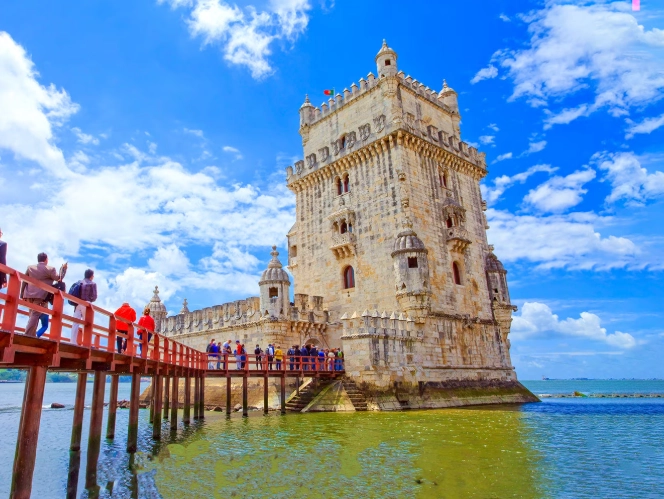
The real activity is across the river in Vila Nova de Gaia. That's where the port wine lodges are. A tour and tasting at Taylor's or Graham's is a must. Book ahead in summer.
Don't miss the Livraria Lello bookshop (R. das Carmelitas 144). Yes, it's crowded and you need a timed ticket (purchased online), but the swirling staircase is a piece of art. The rumor it inspired Harry Potter is overblown, but it's stunning nonetheless.
Sintra: The Fairytale Day Trip
This is the biggest test of your planning skills. Sintra isn't one palace; it's a mountain dotted with them. The mistake? Trying to see more than two in a day.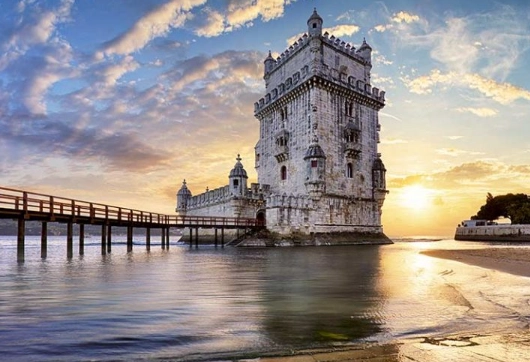
Beyond the Main Hubs: The Algarve & Douro Valley
If you have more time, these regions define Portugal's diversity.
The Algarve is famous for beaches, but Faro's airport is the main gateway. For dramatic cliffs and sea caves, base yourself in Lagos. The Ponta da Piedade grottoes are best seen on a small boat tour from Lagos marina. For a less crowded gem, drive to Praia da Marinha, often ranked among Europe's most beautiful beaches.
The Douro Valley is port wine country. The train from Porto to Pinhão is one of Europe's great scenic journeys. But to truly visit the quintas (wine estates), you need a car or a guided tour. Staying overnight at a quinta like Quinta da Pacheca is an unforgettable experience.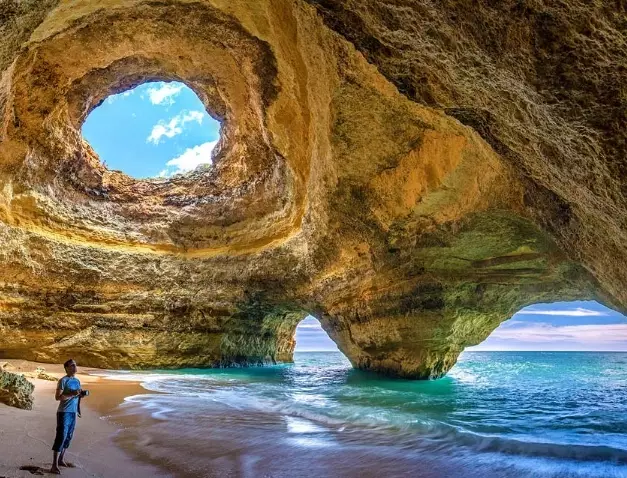
Essential Portugal Travel Tips & Common Mistakes
Here's the stuff that makes or breaks your trip, the kind of advice you get from a friend who's been there.
Transport Savvy: In cities, get a rechargeable card like Lisbon's Viva Viagem or Porto's Andante. They work on metros, buses, and trams. For intercity travel, the train is comfortable and reliable. Book national CP trains in advance for the best prices. Buses (like those from Rede Expressos) are often cheaper and go to more places.
The Ticket Hack: For major monuments—Jerónimos, Belém Tower, Pena Palace—online pre-booking is non-negotiable in peak season. Use the official websites, not third-party resellers who charge hefty fees. For Sintra, the Parques de Sintra website is your one-stop shop.
Dining Like a Local: Avoid restaurants with pictures of food on the menu and touts outside. Look for places filled with Portuguese people. Lunch is the main meal. Have a *prato do dia* (plate of the day) for great value. Dinner starts late; 8 PM is early, 9:30 PM is normal. And always ask for the *ementa* (menu) with prices.
The One Big Mistake Everyone Makes: Over-scheduling. Portugal's pace is slow. A *miradouro* with a glass of vinho verde at sunset is as important as ticking off a palace. Leave space to get lost, to sit in a garden, to follow a side street that looks interesting. That's where you'll find your own version of my Alfama Fado moment.