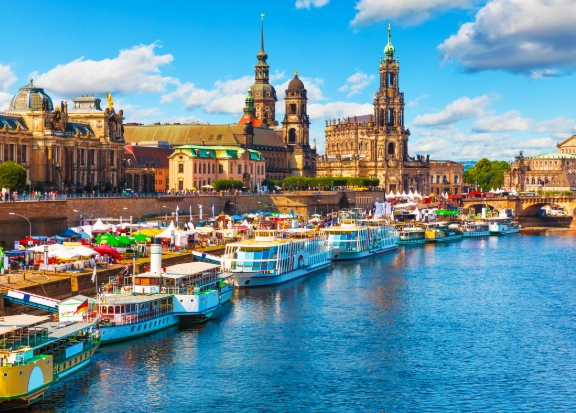
Germany isn't just one place. It's a collection of powerful, distinct urban personalities, each with its own rhythm, history, and flavor. Most first-timers fixate on Berlin, and while it's phenomenal, stopping there means missing the Bavarian soul of Munich, the maritime buzz of Hamburg, and the storybook charm scattered across the south.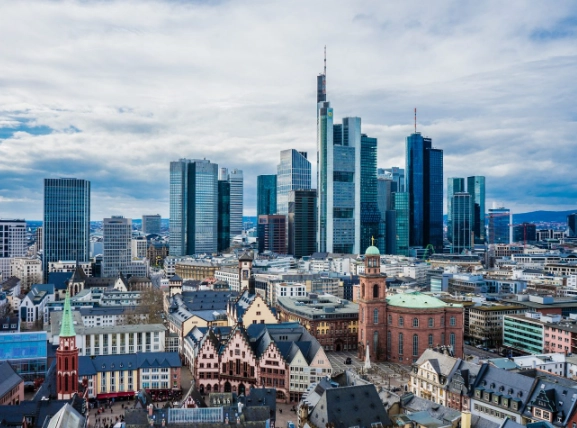
This guide cuts through the generic lists. We'll look at the cities that give you the full picture of Germany—how to move between them smartly, where to find the real character, and how to avoid the classic tourist fatigue traps.
Your Quick Guide to German Cities
The Big Three Anchors
These are the heavyweights. Each could easily consume a week, but their contrasts define modern Germany.
Berlin: The Unfinished Masterpiece
Berlin doesn't try to be pretty. It's raw, charged with history, and relentlessly creative. You come here to feel the weight of the 20th century and the buzz of the 21st.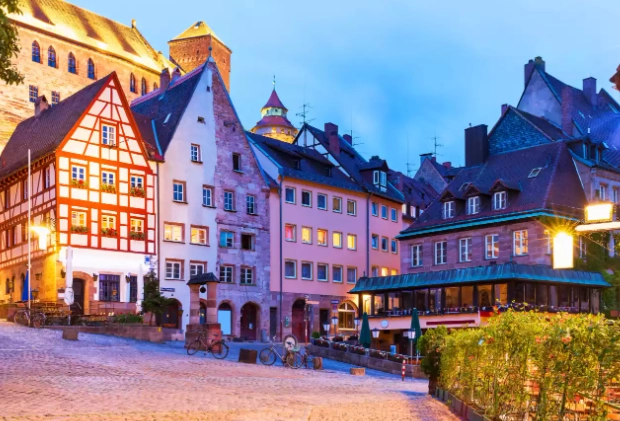
A common mistake? Trying to "do" Berlin in two days. The city is geographically massive. Pick a district—like Kreuzberg for street art and food, or Prenzlauer Berg for cafes—and explore it deeply. The U-Bahn and S-Bahn are efficient, but the real vibe is at street level.
Munich (München): Precision and Gemütlichkeit
Munich is wealthy, confident, and seamlessly blends high tech with deep tradition. It's cleaner, more orderly, and more expensive than Berlin. The famous Hofbräuhaus (Am Platzl 9) is a spectacle, but for a genuine beer garden experience, head to the Augustiner Keller (Arnulfstraße 52) or the Chinese Tower in the Englischer Garten.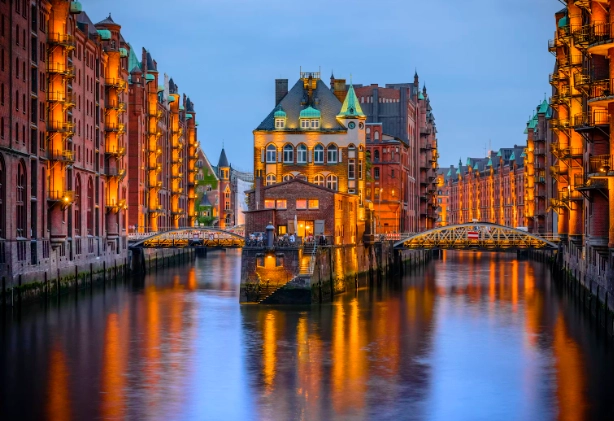
Munich is your gateway to Bavaria. A day trip to Neuschwanstein is doable (book castle tickets online months ahead), but the Dachau Concentration Camp Memorial Site (free entry, guided tours recommended) is a more somber, essential journey just a short S-Bahn ride away.
Hamburg: The Maritime Metropolis
Hamburg is all about water, wealth, and a certain Hanseatic reserve. It feels more like a northern European capital than a stereotypical German town. The heart is the stunning Elbphilharmonie concert hall (Platz der Deutschen Einheit 1). You can get free tickets for the plaza viewing platform online, but they're limited. Go early on a weekday.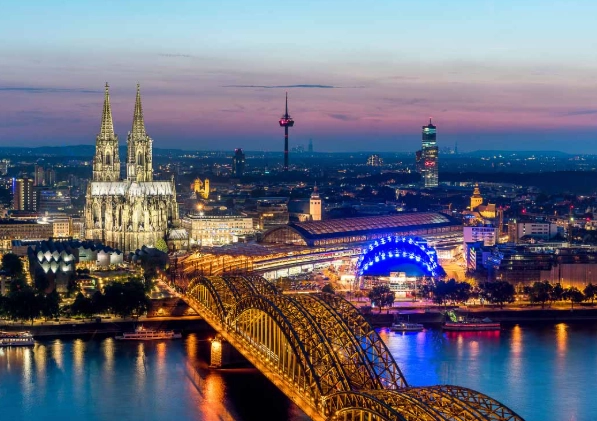
The Reeperbahn is famous, but Hamburg's real charm is in the Speicherstadt warehouse district (a UNESCO site) and the adjacent HafenCity modern development. For a unique perspective, take the public ferry line 62 (included in a city transport ticket) from Landungsbrücken to Finkenwerder—it's a mini harbor cruise for the price of a bus ticket.
The Culture & Cathedral Hubs
These cities offer intense, world-class experiences in a more manageable package.
Cologne (Köln): The Cathedral City
You step out of the Hauptbahnhof and it's right there: the colossal Cologne Cathedral. It's free to enter (donation expected), but climb the 533 steps to the South Tower (€6) for the view. The real soul of Cologne, though, is in its Kölsch beer culture. This clear, crisp beer is served in tiny 0.2L glasses by brusque waiters called "Köbes" in traditional brewhouses like Früh am Dom (Am Hof 12-18).
People either love Cologne's direct, jovial vibe or find it overwhelming. I think it's the most immediately welcoming big city in Germany.
Leipzig: The Cool Alternative
Dubbed "Hypezig," Leipzig is where Berlin's creative energy met affordable rents a decade ago. It's now a powerhouse of art, music (Bach, Wagner), and coffee shops. The massive Monument to the Battle of the Nations is staggering, and the Stasi Museum in the former headquarters is a chilling, intimate look at East Germany's surveillance state.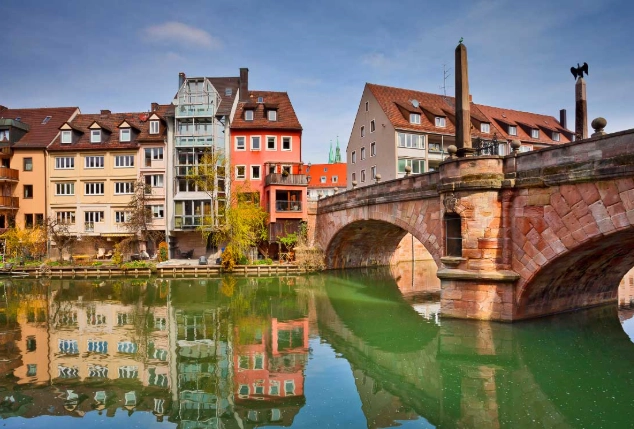
Leipzig feels like Berlin in the 90s—full of potential and slightly rough around the edges. The Spinnerei, a former cotton mill turned art complex, is a must for contemporary art fans.
The Picture-Perfect Historic Towns
This is the Germany of fairy tales and travel posters. They are smaller, often crowded, but utterly enchanting.
Heidelberg: Romantic Ruins
Heidelberg's ruined castle overlooking the river Neckar is the archetype of German Romanticism. The Philosophers' Walk across the river gives the classic photo op. It's a university town, so there's a youthful energy among the old buildings. A subtle tip: the castle gardens (free) are often more pleasant than the crowded castle courtyard. For a treat, visit historic student tavern "Zum Roten Ochsen" (Hauptstraße 217) for a meal.
Rothenburg ob der Tauber: The Medieval Dream
Yes, it's touristy. Yes, you should still go. Rothenburg is the best-preserved medieval town in Germany, complete with intact walls you can walk on. The key is timing. Stay overnight. The day-tripper hordes from the Romantic Road coaches vanish after 4 pm, and you get the cobblestone streets to yourself. The Night Watchman's Tour (in English at 8 pm) is genuinely entertaining and informative.
Don't just stay on the main street. Get lost in the quiet side alleys behind St. Jakob's Church.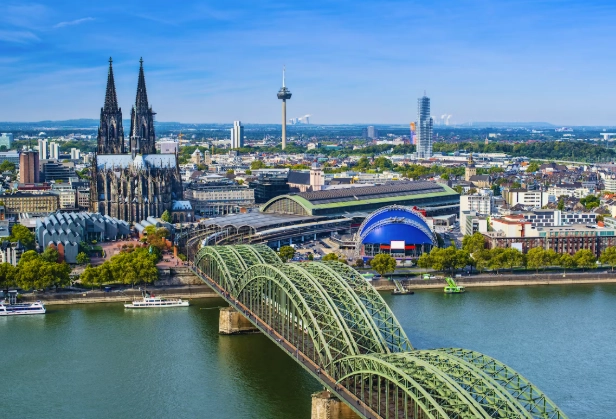
How to Plan Your German City-Hopping Adventure
This is where most trips go wrong. The urge is to cram too much in.
Transport is your first decision. Germany's rail network, operated by Deutsche Bahn (DB), is superb for city connections. Book ICE (high-speed) tickets online in advance for big savings. For flexible, slow travel across multiple cities, the Deutschland-Ticket (€49 per month) is a game-changer, covering all regional trains and local public transport. It's unbeatable for a deep, month-long exploration. For a faster, pre-planned itinerary, an Interrail/Eurail Germany Pass offers flexibility on national trains.
My recommended framework for a first 10-12 day trip:
- Option A (History & Culture): Berlin (4 days) → Train to Leipzig (2 days) → Train to Munich (4 days). Day trips to Potsdam from Berlin and Dachau/Neuschwanstein from Munich.
- Option B (Classic & Scenic): Frankfurt (arrival, 1 day) → Train to Heidelberg (2 days) → Train to Rothenburg (1 night) → Train to Munich (4 days). Rent a car in Munich for the Romantic Road if you wish.
- Option C (Northern Focus): Hamburg (3 days) → Train to Berlin (4 days).
Always factor in a Reisetag (travel day). A 4-hour train journey effectively consumes half a day with packing, transit to stations, and settling in.
Your German Cities FAQs Answered
The magic of Germany's cities lies in their diversity. You can feel the gritty pulse of recent history in Berlin, savor centuries-old tradition in Munich, and wander through untouched medieval lanes in Rothenburg—all within a few hours of each other by train. Plan for depth over breadth, embrace the public transport, and let each city tell you its own part of the German story.