Quick Navigation
Let's be honest, when someone says "British food," a few clichés immediately pop into mind. Grey, boiled vegetables. Endless plates of brown stuff. And of course, fish and chips wrapped in yesterday's newspaper. I used to think that way too, until I actually spent time eating my way across the UK. The reality is so much more interesting, comforting, and sometimes, downright delicious. British cuisine is a story of history, empire, industry, and geography, all served up on a plate. It's not about delicate, fussy presentation. It's about hearty satisfaction, making the most of local ingredients, and dishes that have stuck around for centuries because they just... work. This isn't a fancy restaurant menu breakdown. It's a guide for anyone curious about what people in the UK actually eat, from the Sunday roast traditions to the things you'll only find in a specific town.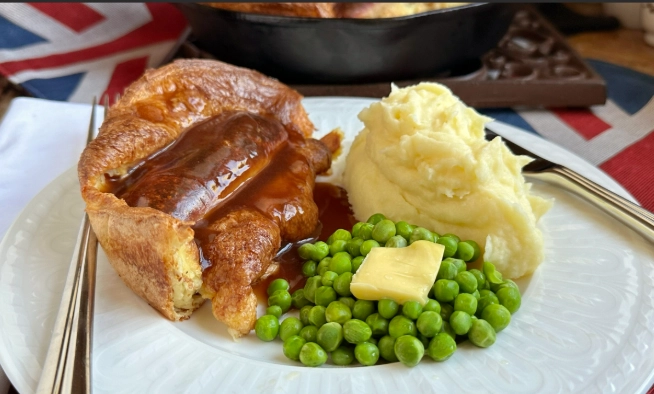
Key Takeaway: Don't write off UK dishes as boring. Their strength lies in robust flavors, historical significance, and incredible regional variety. It's comfort food with a passport.
The Undisputed Classics: UK Dishes You Really Need to Know
These are the pillars. The meals that define pub menus, family gatherings, and national identity. You might think you know them, but there's always a detail or a debate you've missed.
The Full English Breakfast: A Plate of Consequences
This is less of a meal and more of a lifestyle choice, a commitment you make knowing you won't need lunch. A proper Full English is a symphony of parts, all working (or frying) together. You've got your bacon (back bacon, please, not the streaky kind), sausages (herby, meaty Cumberland ones are the dream), eggs (fried or scrambled), baked beans, grilled tomato, mushrooms, and the contentious black pudding. Ah, black pudding. Made from oats, fat, and blood, it's the divisive star. I was skeptical, but when cooked until the outside crisps up, it's savory, iron-rich, and weirdly addictive. The key is everything cooked in the same pan, the flavors mingling. It's a messy, glorious plate. And you'll find passionate arguments about whether hash browns (an American import) have any place on it. Purists say no.
Sunday Roast: The Weekly Ritual
This is the heart of British family food. Every Sunday, across the country, ovens are on for hours. It's a slow, comforting ritual. The centerpiece is a joint of meat—beef (with horseradish sauce), lamb (with mint sauce), chicken, or pork (with crackling and apple sauce). Surrounding it are roast potatoes, which are a religion unto themselves. They need to be fluffy inside and shatteringly crisp outside, often achieved by parboiling and roughing them up before roasting in hot fat (goose or beef fat is traditional). Then come the vegetables: carrots, parsnips, sometimes braised red cabbage. And it's all brought together by the Yorkshire pudding. Not a sweet pudding, but a savory, puffy, eggy batter cup that's perfect for soaking up gravy. Speaking of gravy, it's thick, meaty, and non-negotiable. A bad Yorkshire or weak gravy can ruin the whole affair. Finding a good pub Sunday roast is a national pastime.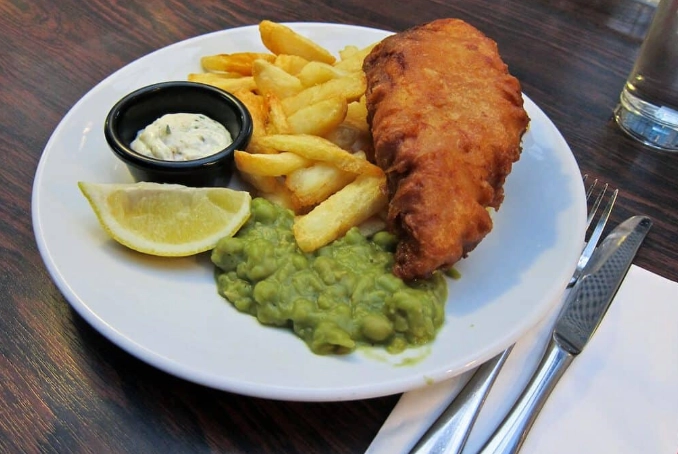
Fish and Chips: The Takeaway Treasure
Yes, it's the cliché, but it's a cliché for a reason. When done right, it's sublime. The fish (usually cod or haddock) should be enveloped in a light, crisp batter—not a thick, doughy casing. The chips are thick-cut, fluffy, and ideally cooked in beef dripping for extra flavor. It's traditionally sprinkled with salt and malt vinegar, then wrapped in paper to keep the steam in (the newspaper thing is mostly history due to hygiene laws). Eating it by the seaside, trying to fend off seagulls, is a quintessential British experience. My tip? Ask for a portion of mushy peas on the side. They're exactly what they sound like—marrowfat peas cooked down to a thick, green paste. Sounds odd, tastes fantastic with the salty fish and chips.
Personal Opinion: I've had terrible, soggy fish and chips from tourist traps. The best come from unassuming, family-run "chippies" where there's always a queue out the door. Don't be put off by the line—it's the best sign.
A Table of British Staples
| Dish | Key Ingredients | What's the Story? | Best Enjoyed... |
|---|---|---|---|
| Shepherd's Pie | Lamb mince, vegetables, gravy, mashed potato topping | A thrifty way to use leftover roast lamb. (Cottage Pie uses beef). | On a cold, damp evening. The ultimate comfort food. |
| Bangers and Mash | Sausages, mashed potatoes, onion gravy | "Bangers" dates from WWII when sausages had high water content and popped in the pan. | In a cozy pub with a pint of ale. Simple, effective, filling. |
| Ploughman's Lunch | Cheese (Cheddar, Stilton), bread, pickle (Branston or chutney), apple, onion | A 1960s marketing invention by the cheese board, styled as a rustic worker's meal. | As a light lunch. The quality depends entirely on the cheese and pickle. |
| Toad in the Hole | Sausages baked in Yorkshire pudding batter | A clever, filling dish that stretches a few sausages to feed a family. | With lots of gravy and vegetables. The batter should rise up around the sausages. |
The Regional Heroes: UK Dishes with a Postcode
This is where it gets really good. Travel across Britain and the local specialties change dramatically. It's a food map shaped by landscape and history.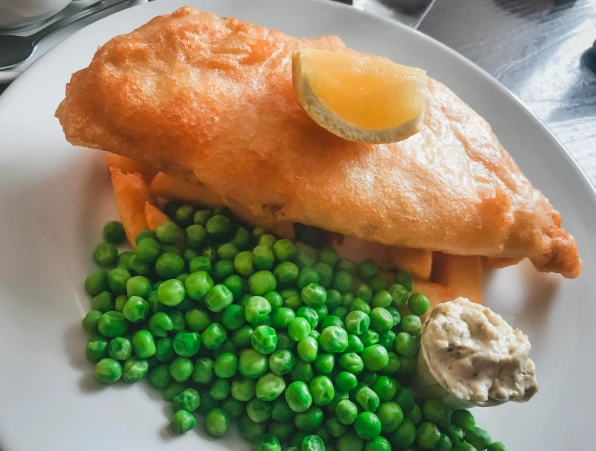
Scotland's Powerhouses
Haggis, Neeps & Tatties: Scotland's national dish. Haggis is a savory pudding containing sheep's heart, liver, and lungs, minced with onion, oatmeal, suet, and spices, traditionally encased in the animal's stomach. Before you balk, think of it as a highly seasoned, crumbly sausage. The flavor is peppery, nutty, and rich. It's served with "neeps" (mashed swede/rutabaga) and "tatties" (mashed potatoes). On Burns Night, it's ceremoniously addressed with a poem. I tried it in Edinburgh—it's far tastier than its description suggests.
Cullen Skink: A thick, creamy smoked haddock soup from the town of Cullen. It's like a smoky, Scottish hug in a bowl. Perfect after a walk along a windswept coast.
Welsh Comforts
Welsh Rarebit: Fancy cheese on toast. But oh, what cheese! A mature Cheddar is melted with beer (or milk), mustard, Worcestershire sauce, and poured over toasted bread, then grilled until bubbling and golden. It's a world away from slapping a slice of cheese in the toaster. A proper pub rarebit is a thing of beauty.
Glamorgan Sausage: A vegetarian sausage from the pre-vegetarian era. Made with Caerphilly cheese, leeks, and breadcrumbs, it's a tasty, frugal classic.
Northern Irish Specialties
Ulster Fry: The Northern Irish cousin to the Full English, but it stakes its claim with the addition of soda farls and potato bread. These griddled breads are essential for soaking up the egg yolk and are uniquely delicious.
Champ: Mashed potatoes mixed with finely chopped scallions (spring onions) and milk. Simple, green-flecked, and buttery.
"The best UK dishes often come from making a lot out of a little. They're lessons in thrift and flavor, born from times when nothing could be wasted. That's why offal, root vegetables, and clever uses for leftovers feature so heavily. It's honest food."
Puddings and Desserts: The Sweet Side of UK Dishes
Brits have a serious sweet tooth, and their puddings are often stodgy, warm, and involve a lot of custard. It's a different philosophy to, say, a French patisserie.
- Sticky Toffee Pudding: The king. A moist date sponge, steamed or baked, absolutely drowned in a rich toffee sauce and served with vanilla custard or ice cream. It's intensely sweet and utterly irresistible. Origin debates rage between Lancashire and Cumbria.
- Spotted Dick: A steamed suet pudding studded with currants or raisins, served with custard. The name makes children (and immature adults) giggle, but it's a classic.
- Apple Crumble: The simple, beloved favorite. Stewed apples under a buttery, oat-and-flour crumble topping. Served with custard, cream, or ice cream. The ultimate comfort dessert.
- Eton Mess: A posh, messy mix of crushed meringue, strawberries, and whipped cream. It's quick, easy, and feels celebratory.
Where's the recipe for these famous UK dishes? For authentic, tested recipes, the BBC Good Food website is an incredible resource, often featuring recipes from well-known chefs and home cooks alike.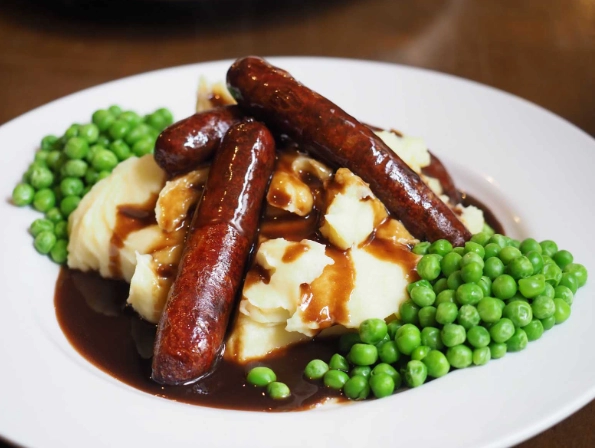
Modern British Food: What's Happening Now?
To think British food is stuck in the past is a huge mistake. The modern scene is vibrant, focusing on incredible local produce, seasonality, and global influences. Chefs are revisiting classic UK dishes with a lighter touch and beautiful presentation. There's a massive focus on sustainability, foraging, and celebrating Britain's fantastic cheeses, charcuterie, and seafood. The VisitBritain site often highlights food festivals and modern culinary trails that showcase this new energy.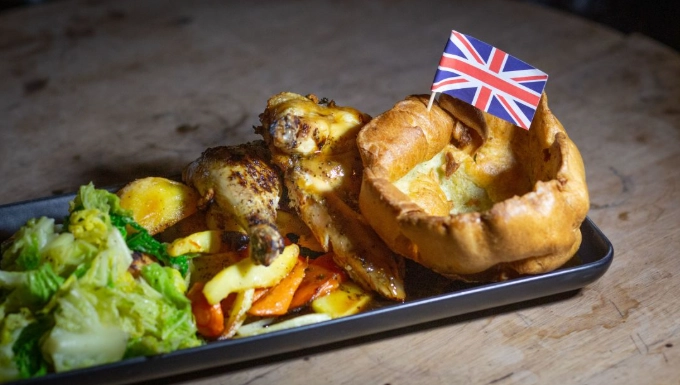
Frequently Asked Questions About UK Dishes
Bringing UK Dishes into Your Kitchen
Want to try making some? The beauty of many classic UK dishes is their home-cook friendliness. They were born in home kitchens.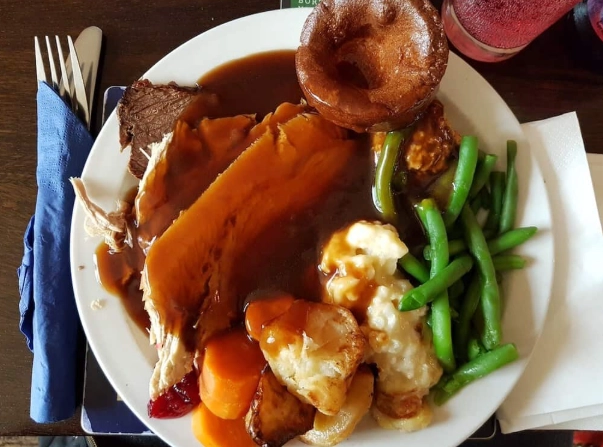
For a perfect Sunday Roast: The secret is in the timings. Parboil and fluff up your potatoes for maximum crispiness. Let your meat rest before carving. And make your gravy from the roasting pan juices—it's non-negotiable. Resources like the National Trust often share historical recipes and tips that connect the food to its place, which is a lovely way to understand the context.
For proper Fish and Chips at home: It's all about the fry. Use a light beer batter for crispness, and ensure your oil is at the right temperature. It's a messy endeavor, but fun for a weekend treat.
So, there you have it. UK dishes are a fascinating mix of rib-sticking tradition, clever frugality, and surprising regional gems. They tell the story of the islands. Look past the old jokes about bad food. Dive into a plate of toad in the hole, savor a mouthful of sticky toffee pudding, and you'll start to taste the real Britain.