Your Island Journey Map
- The First and Biggest Question: How to Choose Your Greek Island?
- Getting Around: Ferries, Flights, and the Reality of Travel
- Where to Stay: From Cave Houses to Family-Run Pensions
- Beyond the Beach: What to Actually Do on the Greek Islands
- The Practical Stuff: Budget, When to Go, and Pitfalls to Avoid
- Answering Your Burning Questions (FAQs)
- Final Thoughts: Embracing the Greek Way
So you've decided you want to go to the Greek islands. Great choice. The pictures are stunning, the promise of sun, sea, and ancient history is irresistible. But then you start looking at a map. Or worse, you start searching "best Greek islands." Suddenly, you're staring down over 200 inhabited islands spread across several distinct archipelagos. It's overwhelming. Santorini? Mykonos? Crete? Something quieter? How do you even begin?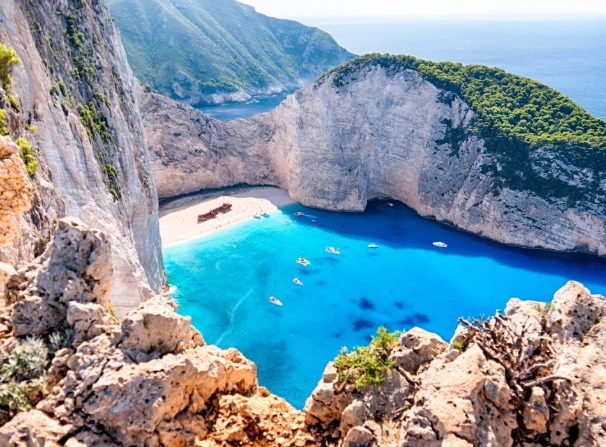
I've been there. I've also spent a significant amount of time traveling through these islands, getting lost in white-washed alleys, waiting for ferries that run on "Greek time," and finding spots that never make it to the Instagram top ten. This guide isn't about just listing the most popular spots. It's about helping you cut through the noise and find the Greek islands that are right for you—whether you're after a romantic getaway, a family adventure, a solo backpacking trip, or just some peace and quiet.
The First and Biggest Question: How to Choose Your Greek Island?
This is the heart of the matter. You can't visit them all in one go (trust me, you wouldn't want to). The key is to match the island's personality with your travel style. Trying to party in a sleepy fishing village or seeking solitude in Mykonos' main town in July will lead to disappointment. Let's break it down by what you're actually looking for.
For the First-Timer & Iconic Seeker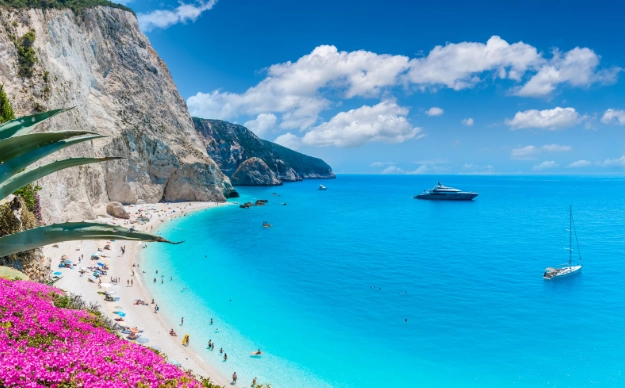
If you want the postcard views and don't mind sharing them, you have a classic duo. Santorini is unique, with its volcanic caldera and cliffside villages like Oia and Fira. The sunset views are legendary for a reason. But book your sunset spot early, or better yet, find a hotel with a private caldera view. Mykonos is the glamorous, windy island known for its vibrant nightlife, chic beaches, and iconic windmills. It's expensive and energetic.
My advice? If you feel you must see these famous Greek islands, consider visiting in the shoulder seasons (late April-May or late September-October). The weather is still lovely, the crowds are thinner, and the prices are lower.
For Families and All-Rounders
You need space, variety, and practicality. This is where the big islands shine.
Crete is a continent in itself. You've got everything: incredible beaches like Elafonissi and Balos, the rugged Samaria Gorge for hiking, fascinating Minoan ruins at Knossos, and vibrant cities like Chania and Heraklion. You could easily spend two weeks here and not see it all. The Greek National Tourism Organization has excellent resources on Crete's diverse regions.
Naxos is a personal favorite. It's the greenest of the Cyclades, with a stunning, family-friendly main beach right in front of the main town (Chora), fantastic mountain villages, and the best potatoes you'll ever eat. It feels more authentic and less manicured than its famous neighbors.
For the Romantic Escape
Beyond Santorini, there are countless spots for romance that offer more intimacy.
Folegandros has the dramatic cliffs of Santorini but a fraction of the people. The main village, Chora, is a maze of perfect white alleyways dotted with little squares. It's quietly chic and breathtakingly beautiful.
Hydra, in the Saronic Gulf, is a car-free haven. Transportation is by donkey, water taxi, or your own feet. The harbor is elegant, the atmosphere is artistic, and it feels a world away from the hustle just a couple hours from Athens.
For the Adventurer & Nature Lover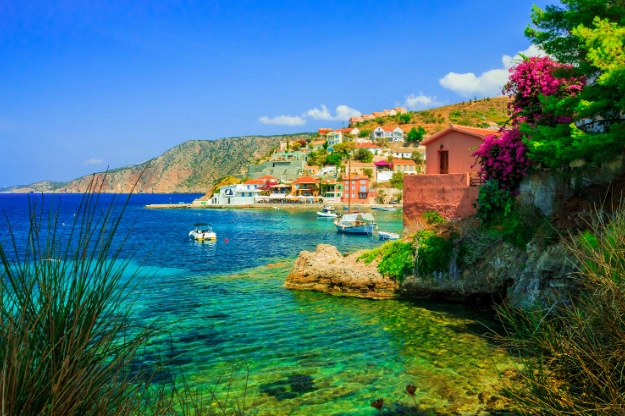
If your ideal day involves a hike ending at an isolated beach, look west.
The Ionian islands, like Corfu, Kefalonia, and Zakynthos (Zante), are lush, green, and feel quite different from the arid, Cycladic stereotype. Kefalonia's Myrtos Beach is a stunner, and the underground Melissani Lake is magical. Corfu offers a blend of Venetian, French, and British influences in its Old Town, a UNESCO World Heritage site. You can learn more about its cultural significance on the UNESCO website.
For serious hiking, Crete's Samaria Gorge (a national park) is a classic full-day trek, while the Vikos Gorge in the mainland region of Zagori is often cited as the world's deepest canyon.
Getting Around: Ferries, Flights, and the Reality of Travel
This is where dreams of island-hopping meet reality. The ferry network is the lifeblood of the Greek islands, but it's not always a seamless experience.
The Ferry Lowdown
There are two main types: the large, slow, car-carrying conventional ferries and the faster, more expensive high-speed catamarans (often called "fast ferries" or "dolphins"). The big ferries are more stable (good if you get seasick), often cheaper, and you can walk around. The fast ferries get you there quicker but can be bumpy in high winds.
Booking in advance during peak season (July-August) is non-negotiable. Use sites like Ferryhopper or Open Seas to check schedules and book. Always double-check your departure port in Athens—some leave from Piraeus, others from the more distant Rafina.
Flying Between Islands
For longer distances (e.g., Athens to Crete, Rhodes, or Santorini), domestic flights can be a huge time-saver. Airlines like Aegean Airlines, Sky Express, and Olympic Air operate these routes. It's worth comparing the cost and time of a flight versus a long ferry ride.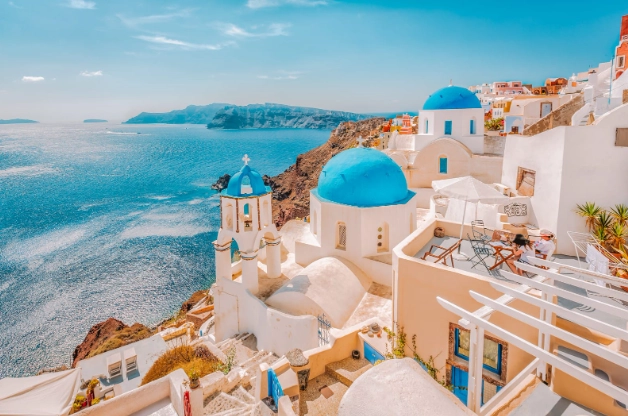
Where to Stay: From Cave Houses to Family-Run Pensions
Accommodation defines your trip. The classic image is the white-washed cave house or the infinity pool villa. Those exist, but so do many other options.
- Luxury & Design Hotels: Concentrated in Santorini, Mykonos, and parts of Crete. You're paying for the view, the design, and the service. If a caldera view is your dream, this is where you splurge.
- Traditional Studios & Apartments: The backbone of Greek island tourism. Often family-run, these are simple, clean rooms or small apartments with a kitchenette. They offer fantastic value and a more authentic feel. Look for ones with a balcony or terrace.
- Village Guesthouses: For a deeper experience, stay in a restored house in a mountain village, like in Naxos' Apiranthos or Crete's Argyroupoli. It's quieter, cooler, and you interact with local life.
- Camping: Official campsites exist on many islands and are a very budget-friendly option, often in beautiful locations near beaches.
Book early for peak season.
Like, really early. Six months in advance isn't crazy for the most popular spots in July and August.
Beyond the Beach: What to Actually Do on the Greek Islands
Yes, the beaches are incredible. But there's so much more. The Greek islands are a cultural and natural buffet.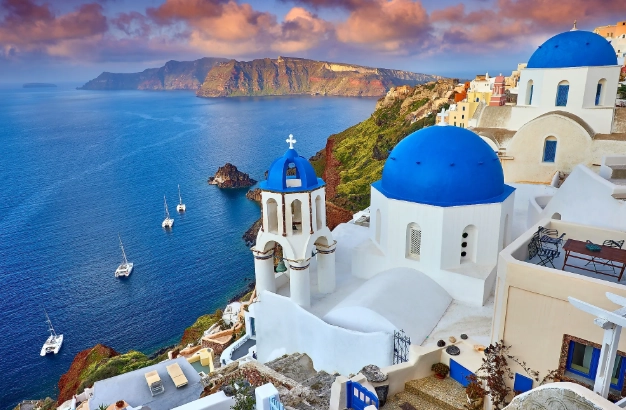
The Activity Menu
- Beach Life: From organized beaches with sunbeds, music, and cocktail service (common in Mykonos, Ios) to completely wild, untouched coves you hike to (common in Milos, Crete). Research the vibe you want.
- Hiking & Walking: Ancient paths crisscross many islands. Trails often lead to abandoned villages, ancient ruins, or secluded chapels with panoramic views. The Greek islands of the Cyclades, especially, have networks of old trails being restored.
- History & Archaeology: You're walking through layers of civilization. Don't miss the Minoan Palace of Knossos (Crete), the medieval Old Town of Rhodes (a UNESCO site), the ancient ruins of Delos (a day trip from Mykonos), or the lesser-known but stunning ancient city of Kameiros on Rhodes.
- Food & Wine Exploration: This is a major highlight. Take a cooking class, visit a local winery (Santorini's volcanic vineyards are unique), or just make it your mission to try every local specialty: Naxos cheese, Santorini fava, Cretan dakos, fresh grilled octopus.
- Sailing: Chartering a boat (with or without a skipper) is the ultimate way to experience the Greek islands. You discover hidden beaches only accessible from the sea and get a completely different perspective.
The Practical Stuff: Budget, When to Go, and Pitfalls to Avoid
Let's talk numbers and logistics. A trip to the Greek islands can be tailored to almost any budget, but you need to be smart about it.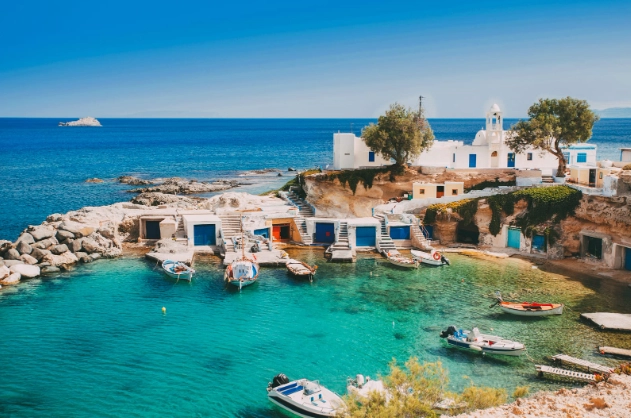
When to Visit: A Seasonal Breakdown
| Season | Timing | Pros | Cons | Best For |
|---|---|---|---|---|
| Peak Summer | July - Mid-August | Guaranteed hot weather, all services/ferries running at full frequency, vibrant nightlife. | Crowds, highest prices, intense heat, possible strong winds (*meltemi*), booked-out accommodations. | Beach lovers who thrive on energy, party-seekers, families tied to school holidays. |
| Shoulder Season | May-June & Sept-Oct | Pleasant temperatures, fewer crowds, lower prices, sea is warm enough for swimming, ideal for hiking. | Some services/restaurants in very small islands may not be open early/late in the season. Water can be cooler in May/Oct. | Most travelers. Arguably the best all-around time to visit the Greek islands. |
| Low Season | November - April | No crowds, lowest prices, authentic local life. | Unpredictable, cooler weather. Many hotels, restaurants, and tourist ferries are closed. Inter-island travel is limited. | Travelers seeking solitude, writers, photographers. Not for beach holidays. |
Budgeting Your Greek Island Trip
Costs vary wildly. Mykonos and Santorini are in their own luxury league. Here’s a rough daily guide per person (excluding international flights):
- Budget Traveler (€50-80/day): Dorm bed or camping, self-catering, local buses, free beaches, occasional taverna meal.
- Mid-Range Traveler (€100-200/day): Private room in a studio/apartment, eating at tavernas for most meals, renting a scooter/car for a few days, paid sunbeds sometimes, ferry tickets in standard class.
- Luxury Traveler (€300+/day): Boutique hotel with view/ pool, fine dining, rented car or private transfers, guided tours, fast ferry business class seats.
The real magic of the Greek islands often happens away from the port. Rent a scooter, pick a mountain road at random, and see where it takes you. You'll find a tiny village square with one *kafeneio* (coffee shop) where the locals will nod in surprise—and then welcome you.
Answering Your Burning Questions (FAQs)
Is it safe to travel to the Greek islands?
Generally, yes, very safe. Petty crime like pickpocketing can occur in very crowded tourist areas (like Oia at sunset), but violent crime is rare. Standard precautions apply. The bigger safety concerns are natural: sunburn, dehydration, and rough seas. Always heed weather warnings for ferries and swimming.
Do I need to rent a car or scooter?
On larger islands like Crete, Rhodes, Naxos, or Corfu, renting a vehicle is almost essential to explore properly. On smaller, compact islands like Mykonos, Santorini (where parking is a nightmare), or Hydra (no cars), you can rely on local buses, taxis, ATVs, or your feet. Scooters/ATVs are popular but only rent if you are experienced. Greek roads can be winding and drivers... enthusiastic.
What about the famous Greek island winds?
The *meltemi* is a strong, dry north wind that blows through the Aegean, primarily in July and August. It can be a relief from the heat but can also disrupt ferry schedules, make sea travel unpleasant, and render some beaches unusable. If you're wind-sensitive, consider the Ionian islands (west of the mainland), which are more sheltered, or visit outside peak summer.
Can I drink the tap water?
It depends on the island. In many places, especially the smaller, drier Cycladic islands, the tap water is desalinated and not great for drinking. You'll see everyone buying big 1.5L bottles of water. In larger places like Crete, the tap water is generally fine. Your accommodation will tell you. When in doubt, ask "Νερό;" (Nero?) with a questioning look.
How do I avoid being an obnoxious tourist?
Respect goes a long way. Dress modestly when visiting churches and monasteries (shoulders and knees covered). Don't trespass on private property to get that "perfect shot." Support local businesses—eat at the family-run taverna, not just the flashy seafront restaurant. Learn a few basic Greek phrases: "kalimera" (good morning), "efharisto" (thank you), "parakalo" (please/you're welcome). It makes a world of difference.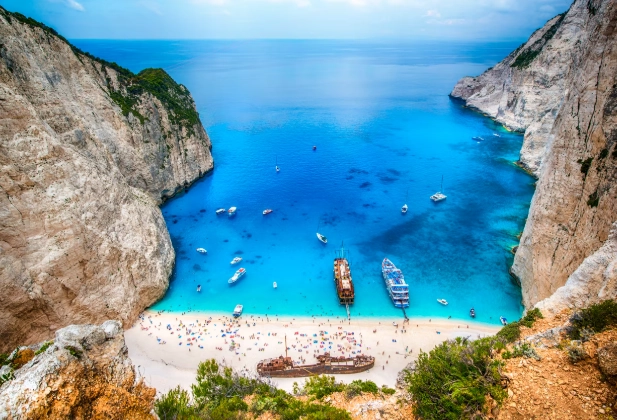
Final Thoughts: Embracing the Greek Way
Planning a trip to the Greek islands requires a bit of work, but the payoff is immense. The key is to manage your expectations. Things will not always run on time. A restaurant might be out of the dish you wanted. The wind might change your plans.
Embrace it. The magic isn't just in the perfect blue of the water or the white of the buildings. It's in the slow pace, the warmth of the people, the taste of sun-ripened tomatoes, and the feeling of history under your feet. It's in discovering your own favorite little cove or taverna, away from the crowds.
Start with one or two islands that speak to your soul.
Explore them deeply. Linger over a coffee. Get lost on purpose. That's how you find your own paradise among the Greek islands.