Let's cut to the chase. You're not here for a bland history lesson. You want to know where to find the best Nasi Lemak, how to navigate a chaotic night market without missing the good stuff, and which dishes will actually change how you think about food. Malaysian cuisine isn't just a meal; it's a vibrant, noisy, and incredibly delicious conversation between Malay, Chinese, and Indian traditions. I've spent years eating my way through hawker centers and back-alley stalls, and I'm still discovering new favorites. This guide is your shortcut to eating well.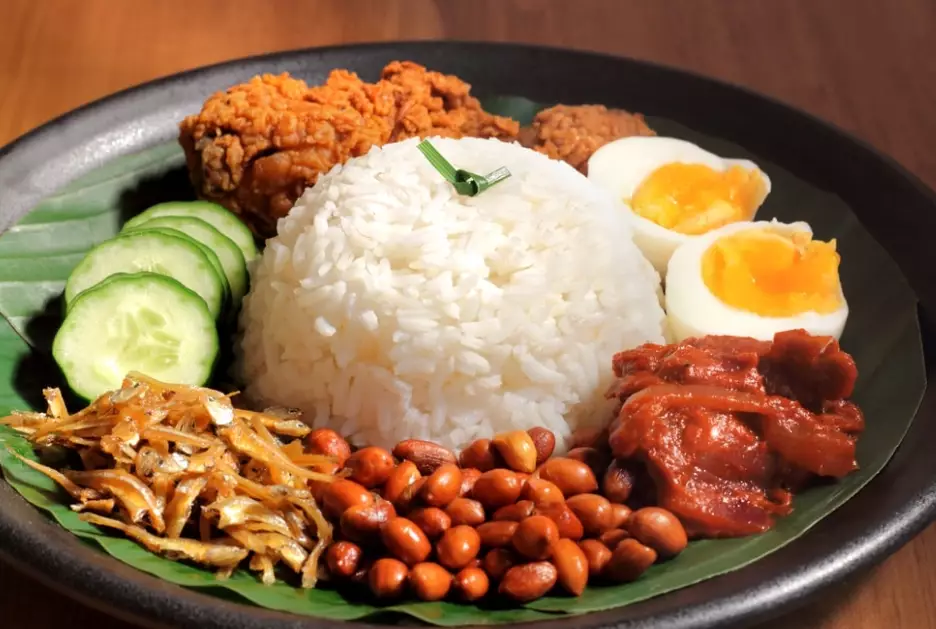
Your Malaysian Food Adventure Starts Here
What Exactly Makes Malaysian Food So Special?
It's the layers. Think about a classic Laksa. You get the fiery kick of chilies, the soothing creaminess of coconut milk, the sharp tang of tamarind, and the deep umami from shrimp paste—all in one bowl. No single note dominates. That balance is the soul of Malaysian cooking.
Geography plays a huge part. Being on historic spice trade routes meant ingredients like cloves, star anise, and nutmeg weren't exotic imports; they were pantry staples. This created a foundation where bold flavors were the norm, not the exception.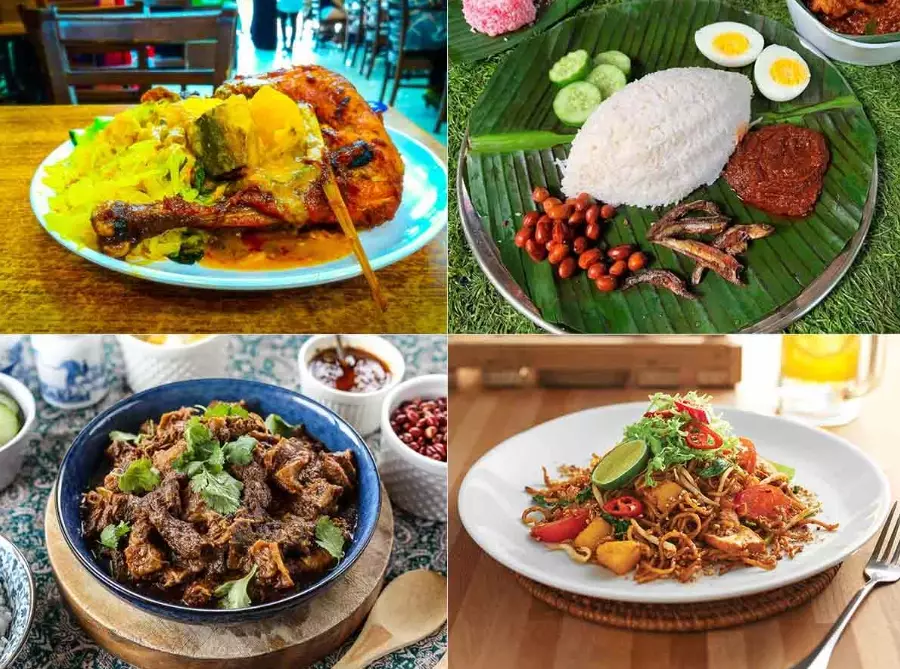
The big mistake most food blogs make? They treat Malaysian food as a checklist. "Try this, try that." They miss the context. Eating Char Kway Teow from a wok-heaved stall in Penang is a completely different experience from ordering it in a sterile hotel restaurant. The chaos, the smoke, the speed—it's part of the flavor.
The Non-Negotiable Must-Try Dishes
Forget the top 10 lists that include everything. Focus on these pillars first.
Nasi Lemak: The National Treasure
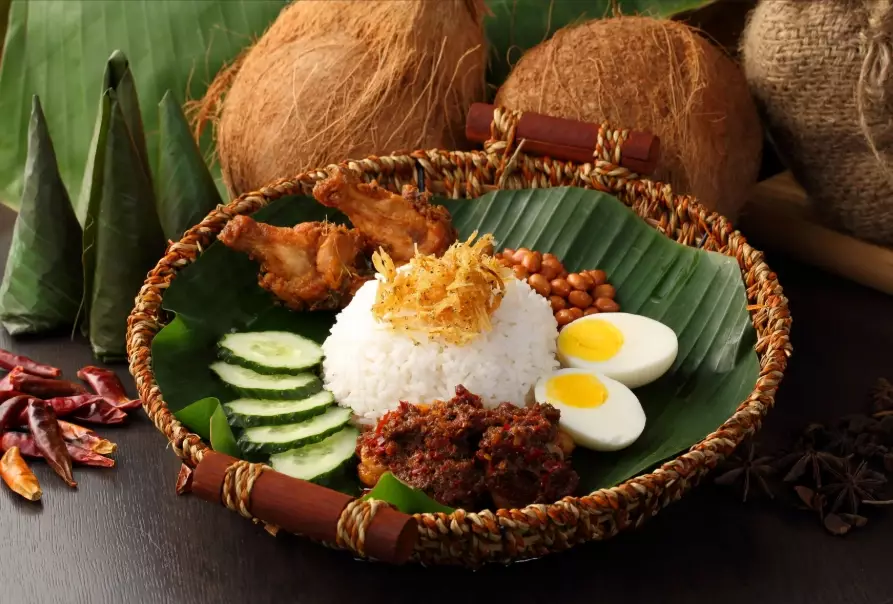
This is breakfast, lunch, and dinner. Fragrant rice cooked in coconut milk and pandan leaf, served with crispy anchovies (ikan bilis), roasted peanuts, a hard-boiled egg, cucumber slices, and that all-important spicy sambal. The version wrapped in banana leaf is the ultimate takeaway.
Here's the insider take: everyone obsesses over the sambal, but the real test of a great Nasi Lemak is the rice. It should be aromatic, slightly oily, and each grain should be separate. Soggy rice ruins everything.
Char Kway Teow: Wok Hei or Bust
Flat rice noodles stir-fried with shrimp, bloody cockles, Chinese sausage, bean sprouts, and chives in a dark soy sauce. The magic word is "wok hei"—the breath of the wok. It's that slightly smoky, caramelized flavor that only comes from a raging hot wok and a skilled cook.
You'll find mediocre versions everywhere. A great one is rarer. The noodles should have a slight chew, not be mushy.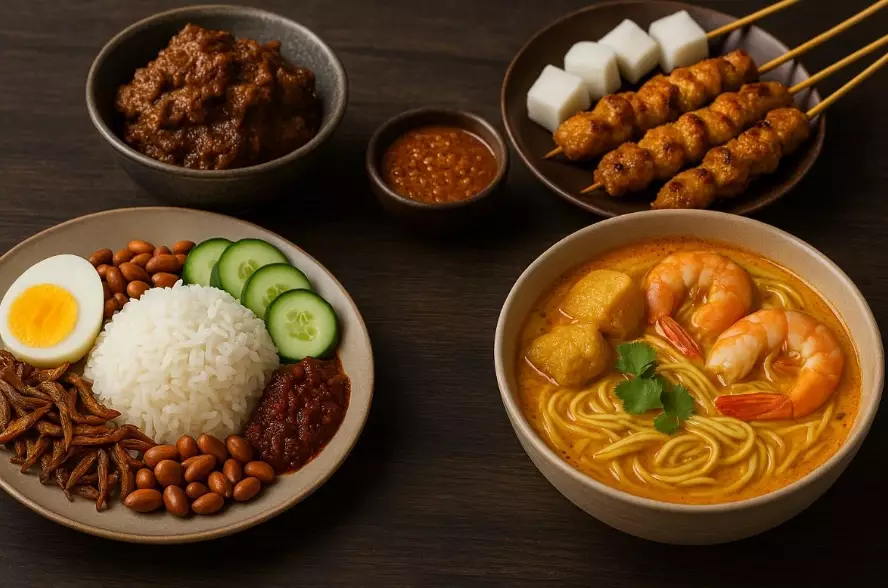
Roti Canai & Curry: The Perfect Duo
Watching a mamak stall vendor flip and slap the dough into a thin, flaky flatbread is a show in itself. Served with a bowl of dhal (lentil curry) or a chicken/beef curry for dipping. It's cheap, filling, and available 24/7 at mamak stalls. Order a Roti Telur (with egg) for extra richness.
Where to Eat: A Hand-Picked Kuala Lumpur Hit List
Location matters. These aren't just good restaurants; they're institutions with character. I'm including practical details so you can actually go there.
| Name & Vibe | What to Order | Address & Practical Info |
|---|---|---|
| Village Park Restaurant The undisputed king of Nasi Lemak. Consistently packed with locals and politicians. |
Nasi Lemak with fried chicken. Get the drumstick. Their sambal is legendary—spicy, sweet, and thick. | 5, Jalan SS 21/37, Damansara Utama. Opens 7am-5:30pm. Go for a late breakfast (after 9:30am) to avoid the worst of the queue. Expect to pay RM 15-25 per person. |
| Restoran Yut Kee An old-school Hainanese kopitiam (coffee shop) operating since 1928. Time travel on a plate. |
Hainanese Chicken Chop (their signature), Roti Babi (minced pork-stuffed bread), and Kaya (coconut jam) toast with half-boiled eggs. | 1, Jalan Kamunting, Chow Kit. Opens 7:30am-3pm, closed Mondays. Cash only. Arrive before 1pm or the best items sell out. RM 20-30 per person. |
| ICC Pudu A massive, sprawling hawker center. Not a single restaurant, but a food hall with dozens of top-tier stalls under one roof. |
Ah Weng Koh Hainan Tea (famous coffee/tea mix), Chee Cheong Fun, Yong Tau Foo, and many more. Come hungry and share. | Jalan 1/77C, Pudu. Opens early (6am) until mid-afternoon. Go on a weekday morning. Each dish RM 5-15. |
Street Food Mastery: Conquer the Night Market
Jalan Alor in Bukit Bintang is the most famous street food stretch, and for good reason. It's a sensory overload in the best way. CNN Travel has featured it, but it's still very much a local haunt at its core.
Don't just wander. Have a strategy.
- Walk the full length first. See what's on offer, spot the busy stalls (long lines are usually a good sign), and check prices.
- Focus on grilled and wok-fried items. Satay (skewered grilled meat with peanut sauce), grilled stingray with sambal, and of course, Char Kway Teow. The live cooking is the point.
- Share a table. Seating is communal. It's a great way to see what others ordered.
- Typical hours: Starts buzzing around 5pm, goes until 2am. It's more atmospheric after dark.
A common pitfall? Tourists stick to the first few stalls. Venture deeper in. The quality is often more consistent halfway down.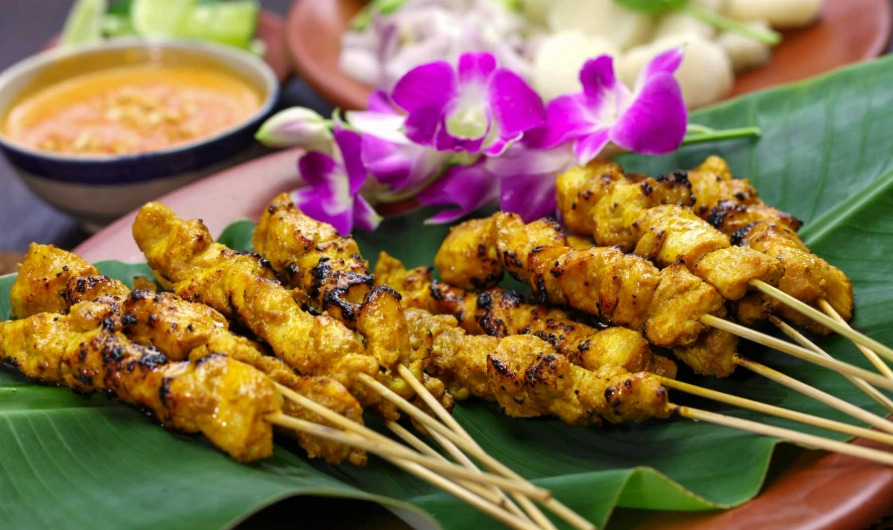
How to Eat Malaysian Food Like a Pro
These small adjustments make a huge difference.
Ordering Tactics
At a hawker stall, don't wait for a menu. Point at what you want or at what the person next to you is eating. Say "Satu ini" (One of this). It's faster and you'll often get a smile.
Drinks: Always order a local drink. Teh Tarik ('pulled' milk tea) or Lime Juice (limau) are perfect cuts through rich food.
The Spice Situation
Can't handle heat? The phrase is "Kurang pedas" (less spicy). But be warned, a cook's idea of 'less spicy' might still make you sweat. Sambal and chili paste are often served on the side. Use the tip of your spoon to add tiny amounts until you find your level.
Payment & Hygiene
Many older stalls are cash-only. Have small bills (RM 5, RM 10). Hygiene standards are different. Look for stalls with a high turnover—food doesn't sit around. I've eaten at places with plastic stools and questionable floors for some of the best meals of my life. Use common sense, but don't be overly precious.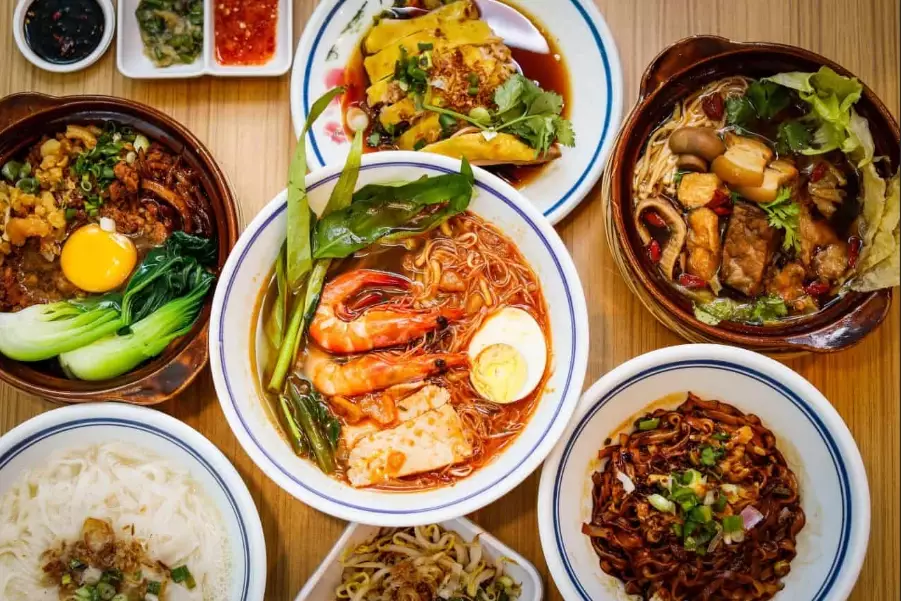
Your Burning Questions, Answered
 Malaysian food rewards the curious. It's messy, loud, and unapologetically flavorful. Skip the fancy places for your first few meals. Plant yourself at a plastic table, order more than you think you can eat, and just dive in. That's where you'll find the real magic.
Reader Comments