Let's get one thing straight. If you think Jordanian food is just a variation of what you've had at your local Lebanese or Syrian restaurant, you're in for a surprise. The meals here have a personality of their own, shaped by Bedouin traditions, Levantine flair, and a landscape that ranges from desert to fertile highlands. I've spent years eating my way through Amman's hills and beyond, and the biggest mistake tourists make is playing it too safe. You didn't come all this way for a slightly different plate of hummus, did you? This guide cuts through the generic lists. We're talking about the soul-warming stews, the specific restaurants where locals queue, the unspoken rules of the dining table, and how to navigate it all without blowing your budget.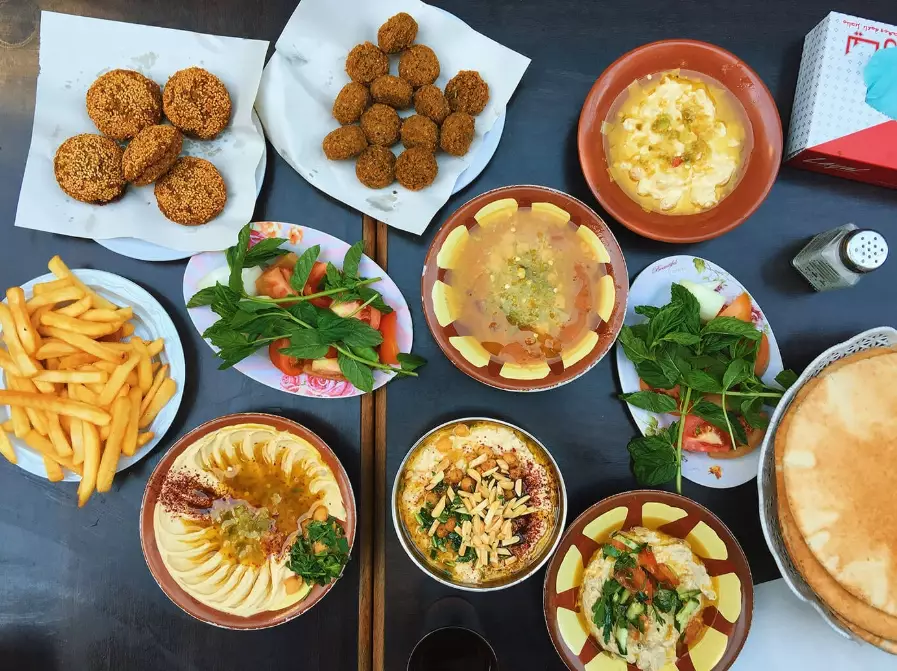
What's Inside This Food Guide
The Essential Jordanian Table: Dishes You Must Try
Forget the appetizer-main course-dessert linear thinking. A Jordanian meal, especially a shared one, is an event. It's about abundance, variety, and communal sharing. Here’s what should be on your radar, moving beyond the obvious.
The National Treasure: Mansaf
This isn't just a dish; it's a cultural artifact. Mansaf is lamb cooked in a fermented dried yogurt sauce called jameed, served over a giant platter of rice and sprinkled with almonds and pine nuts. The jameed gives it a uniquely tangy, savory, and slightly funky flavor that's nothing like Greek yogurt. It's the centerpiece of celebrations—weddings, graduations, major holidays. You'll often see it listed on restaurant menus, but the best versions are in homes or specialized restaurants. A common pitfall for first-timers is being intimidated by eating with their hands. Dive in. It's part of the experience.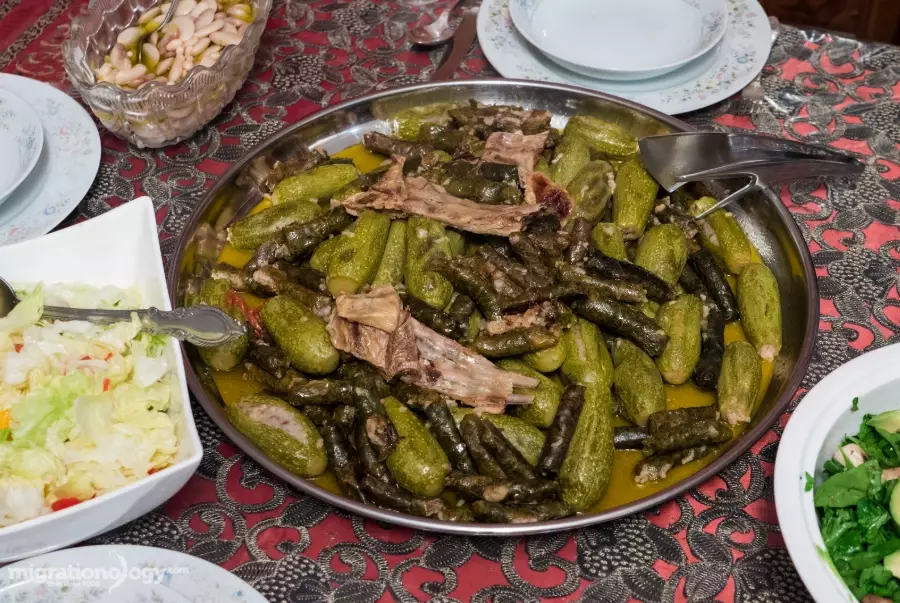
The Showstopper: Maqluba
Literally meaning "upside down," Maqluba is a layered casserole of rice, vegetables (like cauliflower, eggplant, and potatoes), and chicken or lamb, all spiced with turmeric, cumin, and allspice. It's cooked in a pot and then dramatically flipped onto a large serving platter, revealing a beautiful, cake-like structure. Served with a side of plain yogurt or a simple tomato-cucumber salad, it's a complete, comforting meal in one pot. The cauliflower version, in my opinion, is the winner—the florets caramelize and become incredibly sweet.
Beyond Hummus: The Mezze You Might Miss
Yes, you'll have hummus and baba ghanoush (here often called mutabbal, typically smokier). But keep an eye out for these:
Galayet Bandora: A stunningly simple yet addictive dish of tomatoes stewed down with garlic, olive oil, and chili, sometimes with bits of meat. You scoop it up with bread. It’s a breakfast and dinner staple.
Fatteh: There are many versions, but my favorite is Fatteh Djaj—a layered dish of torn bread, chickpeas, shredded chicken, yogurt, and toasted pine nuts, topped with a drizzle of clarified butter and paprika. It's textural heaven.
Mansaf's Cousin, Zarb: If you head to Wadi Rum, you'll likely encounter Zarb. This is Bedouin barbecue where meat and vegetables are slow-cooked in an underground sand oven. The result is impossibly tender, smoky meat. It's an experience tied directly to the desert landscape.
Pro Tip from a Local Friend: "When ordering mezze, don't just point at everything. Ask the waiter, 'What is very fresh today?' or 'What's your specialty?' Kitchens often have a daily preparation that shines. It might be stuffed zucchini (kousa mahshi) or a particular type of warak enab (stuffed vine leaves) that they're proud of."
Sweets & The Kunafa Debate
Jordan has a serious sweet tooth. Kunafa is the king. Shredded phyllo pastry layered with cheese (usually Nabulsi cheese), soaked in sugar syrup, and baked until golden and bubbling. Here's the local debate no tourist blog talks about: Kunafa Nabulsiyeh (the classic orange, cheese-filled kind) vs. Kunafa na'ameh (a finer, crumbly pastry often with nuts). You must try both. Baklava is omnipresent, but Jordanian versions are often less cloyingly sweet than others. For something uniquely local, find Muhallabiya, a delicate rosewater and pistachio milk pudding, or Ma'amoul, shortbread cookies stuffed with dates or nuts, especially during Ramadan and Easter.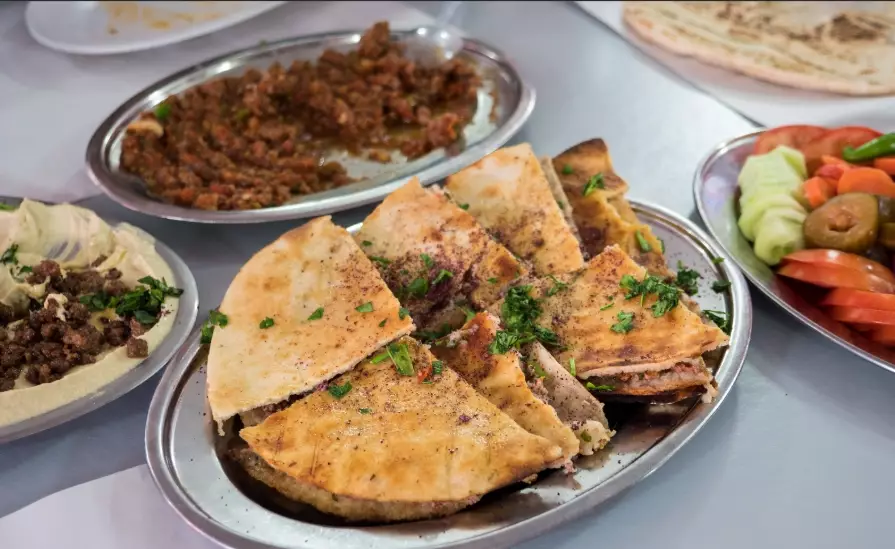
Where to Eat in Amman: From Street Stalls to Fine Dining
Amman is a city of neighborhoods, each with its own vibe. Downtown (Al-Balad) is the chaotic, historic heart. West Amman (like Abdoun or Sweifieh) is more modern and upscale. You need to know where to go for what.
| Restaurant / Spot | What to Order & Vibe | Price Range (per person) | Location / Notes |
|---|---|---|---|
| Hashem Restaurant | The ultimate Downtown institution. No menu, just falafel, hummus, ful, mint tea. Loud, chaotic, plastic stools, utterly authentic. Open 24/7. | 3-6 JD | Downtown Amman (Al-Balad). Just say "the usual" and they'll bring a feast. Cash only. |
| Al-Quds Restaurant | Legendary for its authentic Mansaf and Maqluba. No-frills, family-style seating. This is where locals go for a proper traditional meal. | 8-12 JD | Also in Downtown. Go for lunch when these dishes are freshest. Their yogurt soup (Shakriyeh) is also famous. |
| Habibah Sweets | Ground zero for Kunafa. Be prepared to queue. They serve it fresh, hot, and by weight. Takeaway is the norm, but there's limited seating. | 2-5 JD per portion | Downtown, main branch near the Roman Theater. There are other branches, but this is the original experience. |
| Fakhr El-Din | Upscale Levantine in a beautiful old villa. Impeccable service, refined versions of classics. Great for a special night out or business dinner. | 25-50 JD+ | Jabal Amman. Reservations are essential. Their mixed grill and stuffed lamb are exceptional. |
| Sufra Restaurant | Charming restaurant on a traffic circle with a lovely terrace. The menu is a reliable "greatest hits" of Jordanian and Levantine cuisine, perfectly executed. | 15-25 JD | Jabal Amman, Rainbow Street area. Their Galayet Bandora and Fatteh are standout dishes. Book ahead. |
| Al-Khal Restaurant | A hidden gem in a residential area, known for its Zarb. You usually need to order the Zarb in advance (for 4+ people). The regular menu is also excellent. | 12-20 JD | Khalda, West Amman. Call a few hours ahead to order the Zarb. The ambiance is simple, the food is the star. |
For coffee, skip the international chains. Pop into any ahwa (coffee shop) for bitter Arabic coffee with cardamom or sweet, thick Turkish coffee. If you see a man with a large brass pot (dallah) and tiny cups on the street, that's your chance for an authentic, on-the-go experience for a few piasters.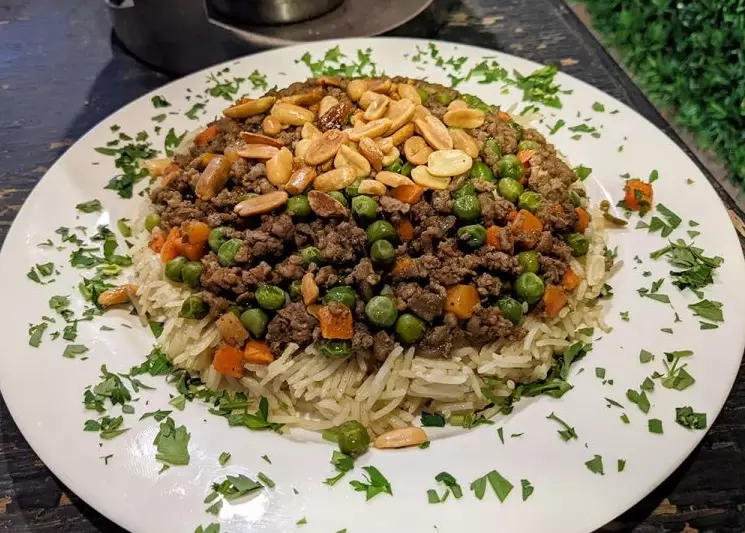
The Practical Jordan Dining Guide: Etiquette, Budget & Tips
Navigating the dining scene smoothly requires a bit of local know-how.
Dining Etiquette: Do's and Don'ts
Do use your right hand for eating, especially when sharing from a common platter like Mansaf. The left hand is considered unclean.
Do expect hospitality (karam). It's common for Jordanians to insist on paying, especially if you're a guest. A polite protest is expected, but graciously accept if they insist.
Don't immediately dig into a shared platter. Wait for the host or eldest to start.
Do accept offers of coffee or tea. Refusing can be seen as rude. A slight shake of the empty cup means "no more, thank you."
Do try everything offered. It's a sign of respect for the host's generosity.
Budgeting for Your Meals
Jordan isn't as cheap as some assume, but you can tailor your spending.
Budget (10-20 JD/day): Stick to street food (falafel, shawarma), local bakeries (manaeesh—za'atar flatbread), and no-frills spots like Hashem. Self-cater from souk markets for fruits and snacks.
Mid-Range (25-40 JD/day): This is the sweet spot. You can enjoy a mezze lunch at a good restaurant like Sufra and a simpler dinner, with coffee and a sweet treat.
High-End (50+ JD/day): Fine dining at places like Fakhr El-Din, or ordering the full Zarb experience with a group. Remember, a 10% service charge is often added in nicer restaurants. If not, leaving 5-10% in cash is appreciated. Small change left on the table in cafes is standard.
Finding the Best Street Food & Markets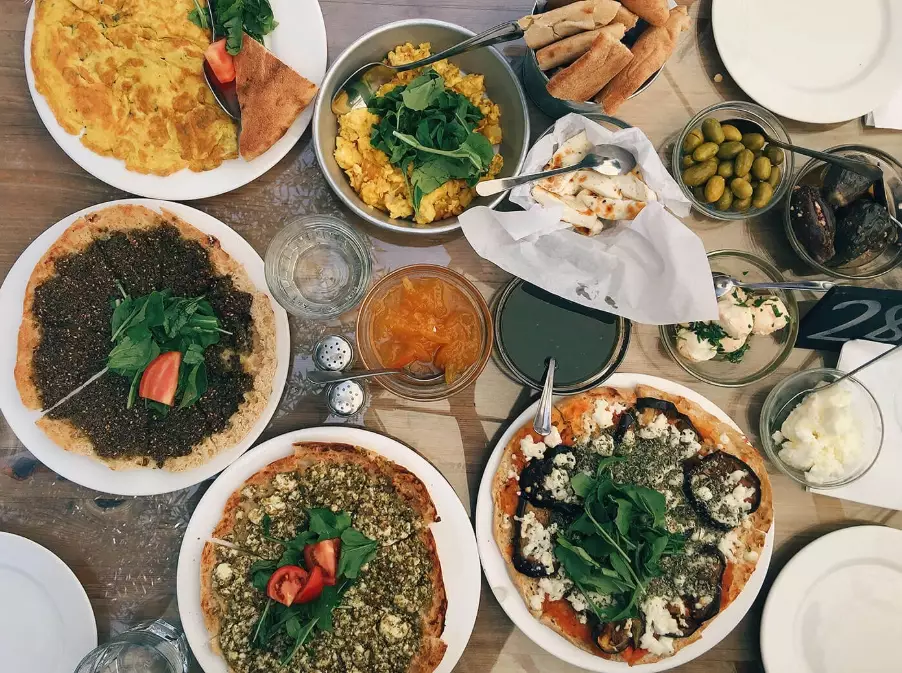
The downtown souk is your playground. Look for:
Falafel stands: The ones frying small, dark green falafel balls to order are best.
Shawarma spits: Chicken (shwarma dajaj) is more common than beef/lamb (shwarma lahm). They'll wrap it in bread with pickles and garlic sauce.
Juice stalls: Fresh pomegranate, orange, or sugarcane juice for about 1-2 JD.
Nut and spice shops: Great for edible souvenirs like za'atar, sumac, or pistachios.
Your Jordan Food Questions, Answered
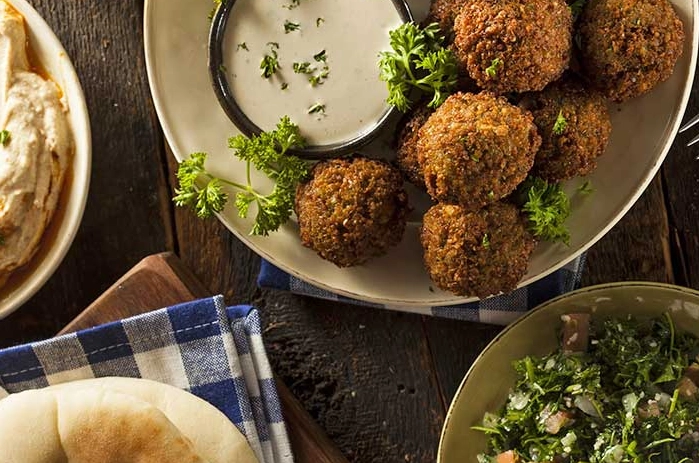 Are there good vegetarian options in Jordanian cuisine?
Ultimately, exploring Jordanian meals is about participation. Say yes to the shared platter, accept the third cup of tea, and don't be afraid to ask "what's that?" at the market. The food here tells the story of its people—generous, resilient, and deeply connected to their land. Your most memorable meal might not be in a guidebook restaurant, but in a family's home or at a roadside stall where the hummus was just a bit creamier. Go find it.
Reader Comments