Quick Guide
Let's be honest, when most people think of food from this part of the world, their mind jumps straight to Indian curry. I did too, before I spent a month eating my way across Sri Lanka. That's a bit like saying pizza and pasta are the same thing. Sri Lankan food is its own wild, wonderful, and incredibly vibrant world. It hits differently. Imagine the warmth of Indian spices meeting the fresh, coconut-infused zest of Southeast Asia, all with a fiery kick that's uniquely Sri Lankan. That's the magic you're in for.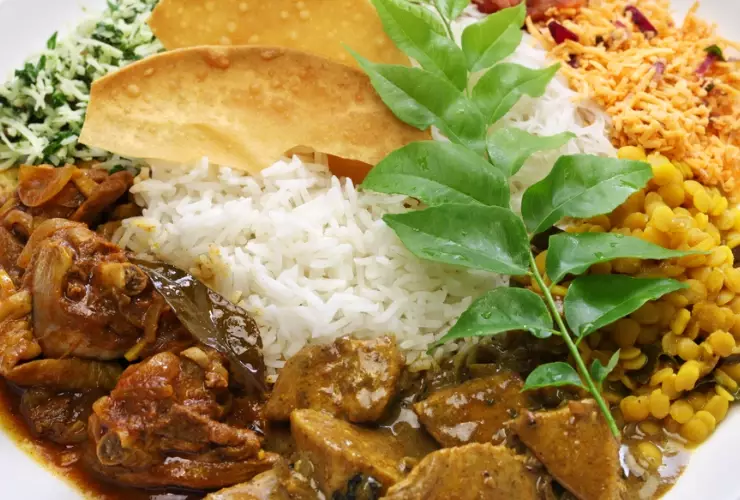
It's not just about the taste, though. Sri Lankan food is a direct reflection of the island itself—lush, diverse, complex, and full of surprises. From the bustling markets of Colombo to the quiet tea plantations in the hills, what's on your plate tells a story of history, trade, and local pride.
What Makes Sri Lankan Cuisine So Unique?
Okay, so it's spicy. Everyone knows that. But it's the how and why that's fascinating. The foundation isn't just one curry powder. It's about building layers of flavor from scratch, often by roasting and grinding whole spices right before cooking. This creates a depth and aroma that pre-packaged powder can't touch.
The other superstar? Coconut. It's in everything. Creamy coconut milk forms the base of most curries, grated coconut adds texture to sambols, and coconut oil is a favorite for frying. This gives even the spiciest dish a underlying richness and sweetness that balances everything out.
Then there's the regional thing. The food in the coastal areas, like Galle or Trincomalee, is a seafood lover's dream. Think fiery fish curries and ambul thiyal (sour fish curry). Head inland to Kandy or the hill country, and you'll find more vegetable-centric dishes, jackfruit curries, and influences from the plantation days. It's a tasty geography lesson.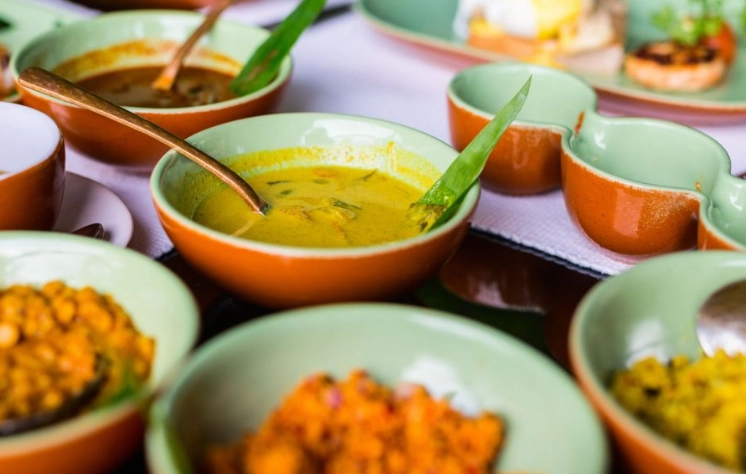
The Spice Rack Essentials
You can't talk about Sri Lankan food without meeting its key players. Here are the non-negotiables:
- Ceylon Cinnamon: The real, delicate stuff. Sweeter and more complex than the common cassia variety. It's a national treasure.
- Curry Leaves: Not the powder, the fresh, fragrant leaves. They're tossed in hot oil to start almost every dish, releasing an incredible nutty, citrusy scent.
- Rampe (Pandanus Leaf): This long, green leaf is used like bay leaf, infusing rice and curries with a subtle, sweet, floral aroma. You don't eat it, but you'd miss it if it wasn't there.
- Maldive Fish: Dried, cured tuna that's shaved into flakes. It's a umami bomb, used as a seasoning in sambols and some vegetable dishes, adding a salty, funky depth. It's what makes a pol sambol truly authentic.
I remember my first cooking class in Unawatuna. The teacher, an older woman with the most patient smile, showed me how to roast cumin, fennel, and coriander seeds in a dry pan until they just started to pop. The smell filled the whole kitchen. "This," she said, waving the smoke towards me, "is the soul of your curry." She was right. That simple step changed everything.
Must-Try Sri Lankan Dishes (A Handy List)
Walking into a local restaurant or a "hotel" (often just a simple eatery) can be overwhelming. The menu might be long, or there might not be one at all. Here’s your survival guide—the dishes you absolutely have to seek out.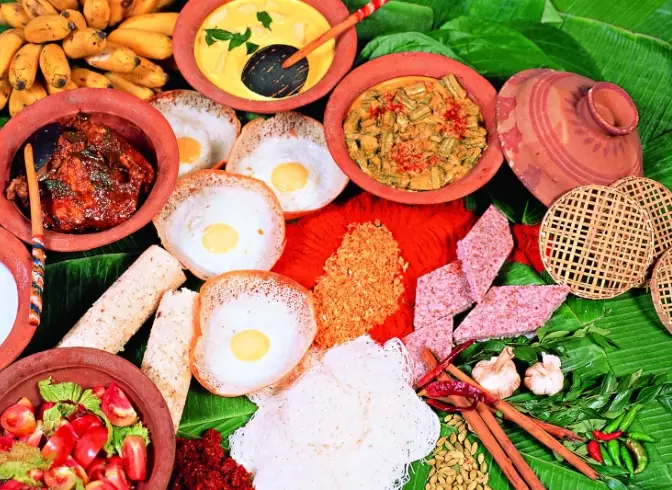
The Rice & Curry Experience
This is the heart of a Sri Lankan meal. It's not one dish, but a glorious platter. You get a mountain of steamed rice (often red or white rice) surrounded by several small bowls of different curries, a sambol, and maybe a crispy papadum. It's a symphony on a plate. A typical spread might include:
- A Fish or Chicken Curry: The main event, usually simmered in a spiced coconut gravy.
- A Dhal (Parippu): Lentils cooked with coconut milk, turmeric, and mustard seeds. Creamy, comforting, and a perfect mild counterpoint.
- A Potato or Jackfruit Curry: For texture and heartiness.
- A Mellun (Green): A dry-ish stir-fry of chopped greens like spinach or gotukola, with coconut and spices.
Top 5 Iconic Dishes You Can't Miss
Let's get specific. If your time is short, make a beeline for these.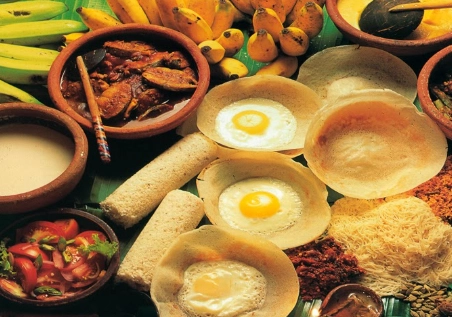
| Dish Name | What Is It? | Key Flavors & Notes | Best Paired With |
|---|---|---|---|
| Hoppers (Appa) | Bowl-shaped, crispy-edged fermented rice flour pancakes. Can be plain (plain appa) or with an egg cooked in the center (egg hopper). | Subtly sour, crispy, delicate. The egg yolk becomes a runny sauce. A national breakfast treasure. | Lunu Miris (spicy onion sambol) or a simple coconut sambol. Dunk and enjoy. |
| Kottu Roti | Chopped flatbread (godamba roti) stir-fried on a hot griddle with vegetables, egg, meat, and a blend of spices. The rhythmic chopping sound is the dinner soundtrack of Sri Lanka. | Savory, hearty, smoky from the griddle. Incredibly satisfying street food. The "cheese kottu" is a modern, indulgent twist. | Nothing else needed. It's a complete, carb-loaded meal in a box. Perfect after a long day. |
| Lamprais | A Dutch Burgher influence. Spiced rice, two meat curries (often frikkadels - spiced meatballs), eggplant, ash plantain, all wrapped in a banana leaf and baked. | Complex, aromatic, festive. The baking steams everything together so the banana leaf flavor infuses the whole packet. | Unwrap and eat straight from the leaf. It's a special occasion dish, so savor it slowly. |
| Pol Sambol | A condiment, but one so good it deserves its own spot. Freshly grated coconut mixed with red onions, chili powder, lime juice, and Maldive fish flakes. | Spicy, tangy, salty, crunchy. An explosive burst of flavor that wakes up any meal. | Everything. Seriously. Rice, hoppers, bread, curry. It's the ultimate flavor booster. |
| Wambatu Moju | Eggplant (aubergine) pickle. Fried eggplant pieces caramelized in a sweet, sour, and spicy sauce with vinegar, sugar, and spices. | Sweet, sour, sticky, with a soft texture. A brilliant side that cuts through rich curries. | A rich meat or fish curry. The sweet-sour contrast is magical. |
Kottu was my go-to comfort food. There's something hypnotic about watching the cooks chop and toss the ingredients with such speed on that hot metal. You can find it everywhere, from fancy restaurants to tiny street carts after dark. The basic chicken or veggie one is always good, but don't be shy to try a seafood mix if you're near the coast.
For the Traveler: Practical Tips for Eating in Sri Lanka
Loving the idea of Sri Lankan food and navigating it on the ground are two different things. Here's the real-talk guide I wish I had.
How to Handle the Heat (Because You Will Need To)
Let's address the elephant in the room. Yes, it's spicy. For locals, it's a pleasant warmth. For many visitors, it's a five-alarm fire. Don't try to be a hero.
- Ask for "No Spicy" or "Little Spicy": They'll understand. Say it with a smile. In Sinhala, it's "espicy nehe" (එස්පිසි නැහැ).
- Dairy is Your Friend: A plain yogurt (curd) with kitul palm treacle is a classic dessert and a fantastic fire extinguisher. A lassi (yogurt drink) works too.
- Eat More Rice and Dhal: These are your neutral bases. They help dilute the heat from the spicier curries.
- Beware the Sambols: Lunu miris and pol sambol are often the spiciest items on the plate. Start with a tiny amount mixed with a lot of rice.
Where to eat? That's half the fun.
The Local "Hotel": Don't expect a Hilton. These are simple, often family-run eateries. You'll see pots of curry on display behind a glass counter. You point at what you want. It's cheap, authentic, and the food turns over fast so it's fresh. The hygiene can be variable, so use the "busy is best" rule. If it's full of locals, it's usually a safe bet.
Home Stays: This is the gold standard. If you stay at a guesthouse or homestay, always opt for the home-cooked dinner if offered. It's likely the best meal you'll have—prepared with care, using family recipes, and adjusted to your spice tolerance.
Street Food: From Isso Wade (shrimp fritters) to fresh fruit like mango and pineapple dusted with chili salt, it's a world to explore. Look for vendors with a high turnover. The fried stuff is usually safe as it's cooked fresh and piping hot.
Drink only bottled or filtered water. That's non-negotiable.
Your Sri Lankan Food Questions, Answered
After talking to dozens of fellow travelers, here are the questions that come up again and again.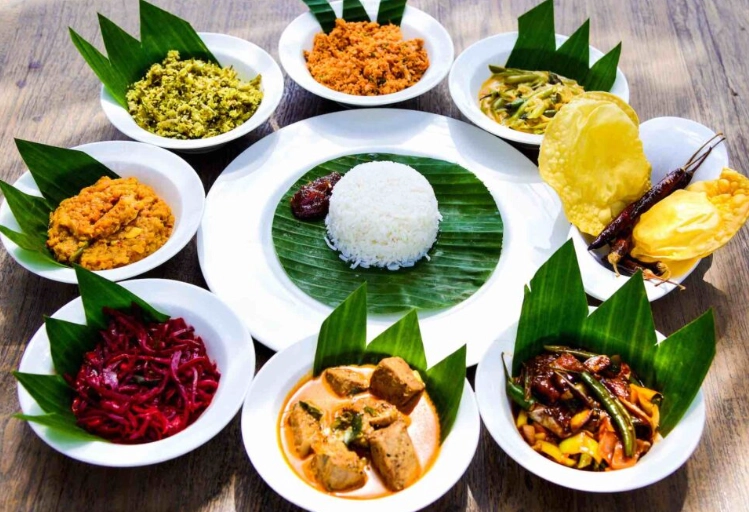
Is Sri Lankan food good for vegetarians?
Surprisingly, yes! While many dishes feature fish or meat, there's a strong tradition of vegetarian cooking, especially due to Buddhist influences. You'll find amazing dhal, a variety of mellun (greens), pumpkin, beetroot, and jackfruit curries. Just be clear and say "I'm vegetarian" (or "shakahari" which is understood). Watch out for hidden Maldive fish in some sambols and vegetable dishes—always ask.
What's a typical Sri Lankan breakfast?
Hoppers, without a doubt. Either plain or egg hoppers, served with lunu miris or a sweet coconut sambol (pol sambol). String hoppers (steamed rice noodle nests) are another favorite, often served with a mild coconut milk gravy (kiri hodi) and curry. It's a hearty, flavorful start to the day, miles away from a boring bowl of cereal.
How does it differ from Indian food?
This is the big one. While they share spices, the profiles are distinct. Sri Lankan curries rely heavily on roasted curry powders and use coconut milk as a primary liquid, making them richer and creamier than many North Indian curries which might use yogurt or cream, or South Indian ones which can be more broth-like. The use of Maldive fish and rampe leaf is also uniquely Sri Lankan. The overall flavor is often more pungent, layered, and, frankly, hotter.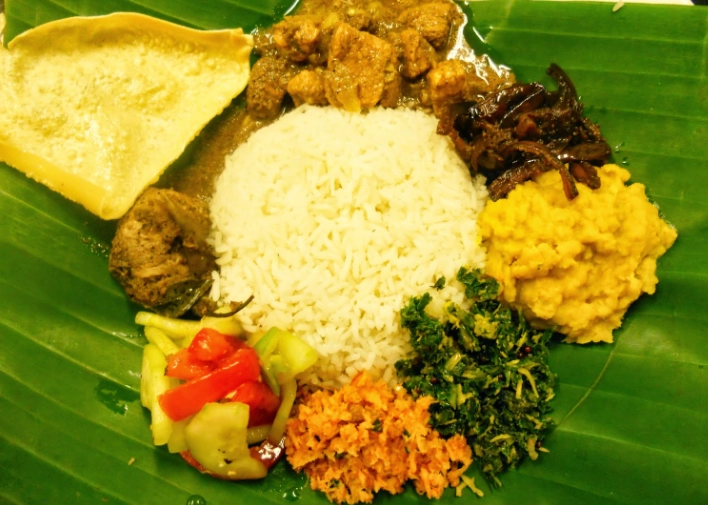
Can I find authentic Sri Lankan food outside of Sri Lanka?
It's getting easier, but it's still not as widespread as Indian or Thai. Major international cities with large Sri Lankan diaspora communities are your best bet—think parts of London, Toronto, Melbourne, and Singapore. Look for restaurants that serve hoppers and kottu roti; that's usually a good sign they're doing the real deal, not just a generic "curry." For a deeper dive into the diaspora's culinary influence, the BBC Travel has explored this topic well.
Bringing the Flavors Home: A Starter Recipe & Where to Learn More
Inspired to try cooking? Start simple. A classic dhal (parippu) is forgiving and gives you a feel for the basic techniques. You'll need red lentils, coconut milk, mustard seeds, curry leaves, turmeric, and a bit of onion. The key is the "tempering" (thunapaha) at the end—heat oil, pop mustard seeds, fry curry leaves and maybe a dried chili, then pour this sizzling oil mixture over the cooked dhal. It transforms it.
For authentic recipes and techniques, look beyond generic food blogs. The Sri Lanka Tourism website sometimes features recipes. For a more cultural deep-dive, academic and cultural heritage sites can be fascinating. I found a great resource on traditional foodways through a paper hosted by the University of Peradeniya's research portal, which detailed the historical use of spices. It's dry reading, but it grounded all the flavors I was tasting in centuries of history.
My final piece of advice? Go with an open mind and an empty stomach. Don't just stick to the tourist restaurant menu. Point at something that looks interesting. Accept that invitation for a home-cooked meal. Sri Lankan food is an experience—vivid, communal, and deeply satisfying. It might challenge your palate at first, but it's a challenge that comes with incredible rewards. You'll leave not just with photos, but with flavors permanently etched in your memory.
Oh, and pack some antacids. Just trust me on that one.