Let's be honest. Walking into a Thai restaurant can be a bit overwhelming. The menu is often packed with names you can't pronounce, descriptions that sound similar, and a level of spiciness that feels like a personal challenge. I've been there, staring at the page, wondering if I should just play it safe with Pad Thai again. But Thai cuisine is so much more than that one famous noodle dish. It's a vibrant, complex, and incredibly rewarding world of flavors waiting to be explored. This guide isn't about dry, academic facts. It's about giving you the confidence to open that menu, ask the right questions, and have a genuinely fantastic meal. We're going to talk about the real stuff—what dishes are actually like, how to order for a group, how to handle the heat, and how to spot a great Thai restaurant food experience from a mile away.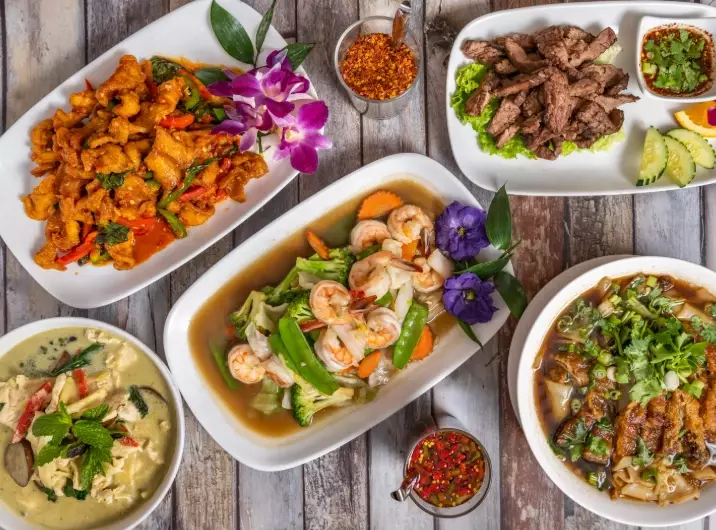
What’s Inside?
Think of this as a friendly chat from someone who's spent years (and many delicious meals) figuring this out. We'll skip the fluff and get straight to the practical, juicy details.
What Makes Thailand Restaurant Food So Special?
It all starts with balance. Thai cooking isn't about one flavor dominating; it's a conversation. The goal is to hit five key notes in harmony: sweet, sour, salty, spicy, and sometimes bitter. A spoonful of Tom Yum Goong (hot and sour shrimp soup) is the perfect example—it's tangy from lime, savory from fish sauce, spicy from chilies, and fragrant from lemongrass, all at once. It wakes up your whole palate. Unlike some cuisines that rely heavily on slow-cooked sauces, a lot of Thai restaurant food is cooked quickly over high heat. This wok-hei, or “breath of the wok,” gives stir-fries an incredible smoky depth that you just can't replicate at home. Then there's the freshness. Herbs like cilantro, Thai basil, and mint aren't just garnishes; they're essential ingredients added at the last minute. And let's not forget the textural play. A single dish might combine crispy, soft, chewy, and crunchy elements. It's a full sensory experience.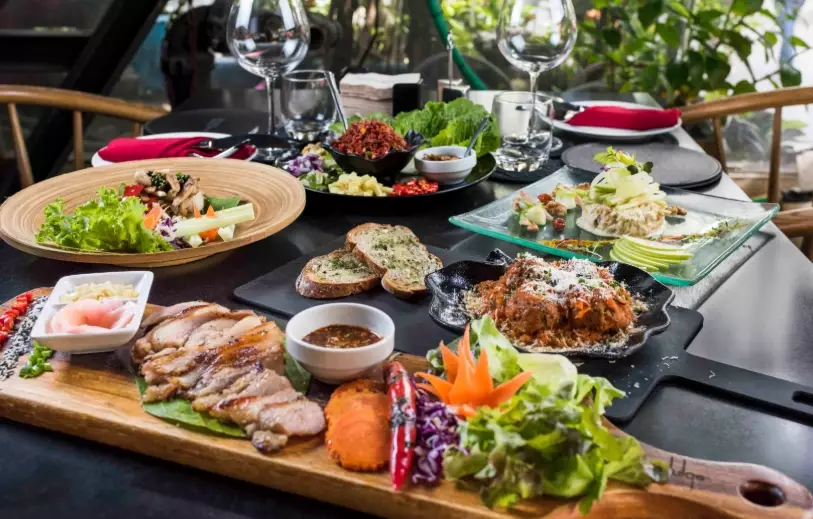
Decoding the Thai Restaurant Menu: A Section-by-Section Breakdown
Menus can vary, but they often follow a logical flow. Understanding this structure is half the battle in ordering great Thailand restaurant food.
Starters & Snacks (ของว่าง)
This is where you find the crowd-pleasers and the perfect beer companions. Don't skip this section.
- Satay (สะเต๊ะ): Skewers of marinated, grilled meat (usually chicken or pork) served with a creamy, slightly sweet peanut sauce and a tiny cucumber relish. It's a universal favorite for a reason.
- Spring Rolls (ปอเปี๊ยะทอด): Crispy fried rolls filled with glass noodles, vegetables, and sometimes minced pork. Dip them in sweet chili sauce. There are also fresh spring rolls (Goi Cuon, more Vietnamese influence) which are soft, translucent rice paper rolls packed with herbs, shrimp, and noodles.
- Tod Mun Pla (ทอดมันปลา): Thai fish cakes. These are golden, bouncy patties made from fish paste, green beans, and red curry paste. They're fragrant with kaffir lime leaves and come with a sweet and spicy cucumber dipping sauce. The texture is unique—springy and light.
Personal Take: I find some places serve satay that's a bit dry. Don't be shy to ask for extra sauce—it makes all the difference.
The Soup Section (แกง)
Thai soups are meals in a bowl, not just light starters. They're meant to be shared and eaten alongside rice.
- Tom Yum Goong (ต้มยำกุ้ง): The iconic hot & sour soup. It's a clear, fiery broth bursting with lemongrass, galangal, kaffir lime leaves, mushrooms, and plump shrimp. The “Goong” means shrimp; you might see Tom Yum Gai (chicken) too. It comes in a clear broth (Nam Sai) or a creamy, milky version (Nam Khon) from evaporated milk or coconut milk, which tames the heat a little.
- Tom Kha Gai (ต้มข่าไก่): Coconut chicken soup. If Tom Yum is the fiery sibling, Tom Kha is the comforting one. It's a rich, creamy coconut milk broth infused with galangal (similar to ginger but sharper), lemongrass, and tender chicken. It's still aromatic and has a gentle heat, but it's much milder and sweeter. A personal favorite on a rainy day.
The Curry Universe (แกง)
This is the heart of Thailand restaurant food for many people. The color often indicates the main paste ingredient.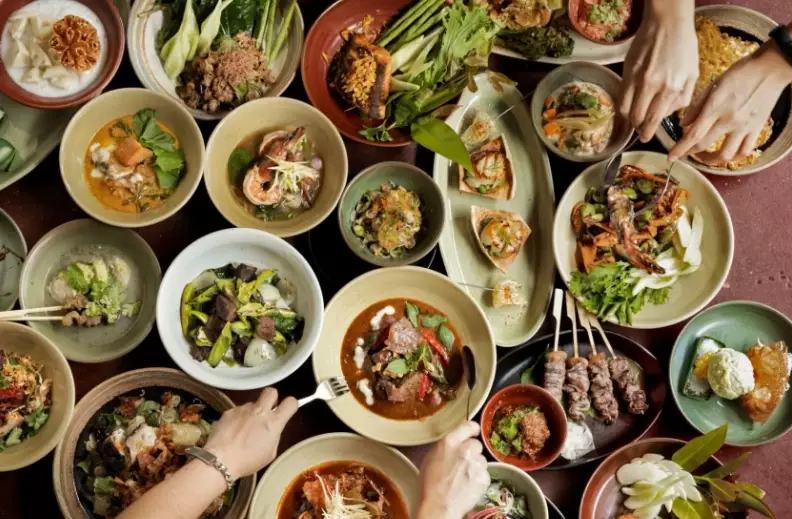
| Curry | Color/Key Ingredient | Flavor Profile | Heat Level (Typical) | Common Protein |
|---|---|---|---|---|
| Green Curry (แกงเขียวหวาน) | Fresh green chilies, cilantro root | Fresh, vibrant, herbal, sweet from coconut milk | High | Chicken, beef, fish balls |
| Red Curry (แกงเผ็ด) | Dried red chilies | Robust, deep, slightly earthy, creamy | Medium-High | Duck, beef, pork |
| Massaman Curry (แกงมัสมั่น) | Persian influence, spices (cinnamon, cardamom) | Rich, sweet, nutty, mild, aromatic | Low | Beef, chicken, potatoes, peanuts |
| Panang Curry (พะแนง) | Thickened red curry, peanuts | Thick, creamy, savory-sweet, nutty | Medium | Beef, chicken, pork |
| Yellow Curry (แกงกะหรี่) | Turmeric, curry powder influence | Mellow, earthy, tangy, often mildest | Low | Chicken, potatoes, onions |
Curries are almost always served with steamed jasmine rice. You spoon the curry over the rice. Don't make the mistake of thinking it's a soup to drink from the bowl!
Stir-Fries & Noodles (ผัด)
The workhorses of the menu. Quick, flavorful, and endlessly customizable.
- Pad Thai (ผัดไทย): Okay, we have to talk about it. Stir-fried rice noodles with tofu, egg, bean sprouts, and peanuts in a tamarind-based sauce. It can be sublime—sweet, sour, savory, and nutty—or it can be a gloopy, overly sweet mess. A good sign is if you can customize the protein (shrimp, chicken, tofu) and see it being cooked with a real flame.
- Pad See Ew (ผัดซีอิ๊ว): My personal noodle favorite. Wide, chewy rice noodles stir-fried with soy sauce, Chinese broccoli, egg, and your choice of meat. It's savory, slightly sweet, and has those delicious charred bits from the wok. It's less fussy than Pad Thai and feels more substantial.
- Pad Kra Pao (ผัดกะเพรา): Holy basil stir-fry. Minced meat (pork or chicken) or seafood stir-fried with chilies, garlic, and loads of holy basil. It's served over rice, often with a fried egg on top (Kai Dao). The basil is peppery and anise-like, and the dish is explosively flavorful and spicy. A true Thai comfort food.
Salads (ยำ)
Forget lettuce-heavy salads. Thai salads are bold, zingy, and often quite spicy. They're flavor explosions.
- Som Tum (ส้มตำ): Green papaya salad. Shredded unripe papaya pounded in a mortar with chilies, lime, fish sauce, tomatoes, and peanuts. It's crunchy, sour, spicy, and salty all at once. There's a version with salted crab (Som Tum Pu) that's an acquired taste but incredibly authentic. This dish can be seriously hot, so ask for mild (“mai pet”) if you're unsure.
- Larb (ลาบ): A minced meat salad (usually chicken, pork, or duck). The meat is cooked, then tossed with lime juice, fish sauce, roasted rice powder, and tons of herbs like mint and cilantro. It's fresh, tangy, herbal, and textured from the rice powder.
How to Order Like You Know What You're Doing
This is where the magic happens. You have the menu knowledge, now let's apply it.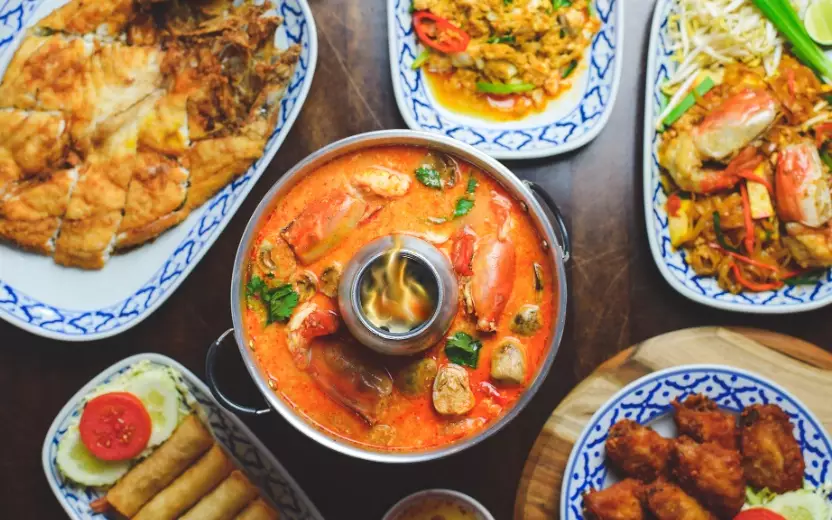
For a Solo Diner or a Couple
Don't over-order. One main dish with rice is plenty. A great strategy is to pick a category and go deep. Craving curry? Get a Panang Curry with rice. Want noodles? Go for a Pad See Ew. Add a small appetizer like spring rolls if you're extra hungry. It's simple and satisfying.
For a Group (The Best Way to Eat)
This is how Thai meals are meant to be enjoyed—family-style, sharing everything. Here's a foolproof formula for 4 people:
- One Soup: Tom Yum Goong (if the group likes spice) or Tom Kha Gai (for a safer, creamy option).
- One Curry: A Massaman or Panang curry appeals to most palates. If everyone is adventurous, a Green Curry is fantastic.
- One Stir-fry/Noodle: Pad Thai for the traditionalists, Pad See Ew for something different, or Pad Kra Pao for a spicy kick.
- One Salad or Appetizer: Som Tum (papaya salad) for a refreshing, spicy crunch, or a plate of Satay for easy sharing.
- Steamed Jasmine Rice: Order a large bowl for the table.
This gives you a perfect mix of textures, flavors, and heat levels. Everyone gets to try a bit of everything.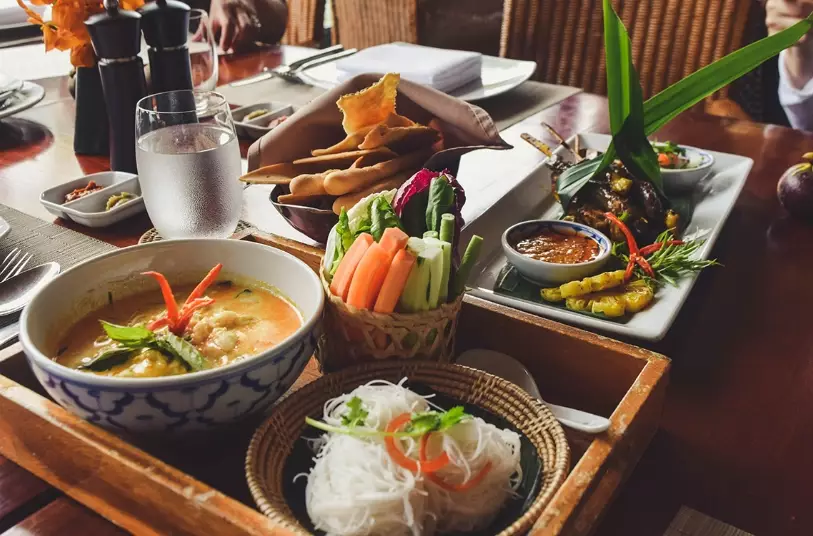
Pro-Tip: When the food arrives, don't just eat “your” dish. Take a spoonful of rice on your plate, then add a bit of curry, a bite of the stir-fry, and some salad. Mix the flavors on your plate. That's the authentic way.
Navigating the Spice Level
This is the biggest worry for many. Thai spice is no joke. Here's your cheat sheet:
- Not Spicy At All: “Mai Pet” (ไม่เผ็ด).
- A Little Spicy: “Pet Nit Noi” (เผ็ดนิดหน่อย).
- Medium Spicy (Thai Medium): “Pet Tang” (เผ็ดธรรมดา). Warning: This is often spicier than a Western “medium.”
- Thai Spicy: “Pet Pet” (เผ็ดๆ) or “Pet Mak” (เผ็ดมาก). Only if you have a certified iron stomach.
My advice? Start with “Pet Nit Noi.” You can always ask for more chili on the side (nam prik) but you can't take it out. Remember, coconut milk-based dishes (curries, Tom Kha) naturally temper heat better than clear soups or salads like Som Tum.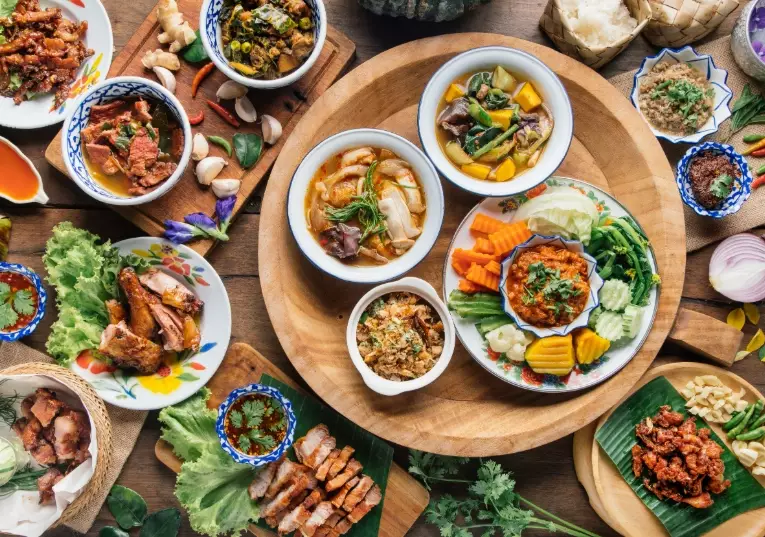
Beyond the Classics: Regional Gems to Look For
If a restaurant has a “Specialties” or “Northern Thai” section, dive in. This is where you find truly exceptional Thailand restaurant food.
- Khao Soi (ข้าวซอย): A legendary dish from Northern Thailand. It's a rich, creamy coconut curry noodle soup with both soft and crispy fried egg noodles on top, served with pickled mustard greens, shallots, and lime. The complexity is mind-blowing. If you see it, order it.
- Gaeng Hunglay (แกงฮังเล): A Burmese-influenced curry from the North. It's a slow-cooked pork belly curry with ginger, turmeric, and tamarind, less coconut-heavy and more stew-like. Incredibly comforting.
- Southern Thai Dishes: Look for “Gaeng Som” (sour orange curry) or “Kua Kling” (an intensely dry, spicy minced meat curry). These are for the true heat seekers and offer a completely different profile from central Thai food.
I once ordered a Southern Thai crab curry without fully appreciating the warning. It was one of the spiciest things I've ever eaten, but also one of the most memorable. The flavors underneath the fire were incredible.
Your Top Thailand Restaurant Food Questions, Answered
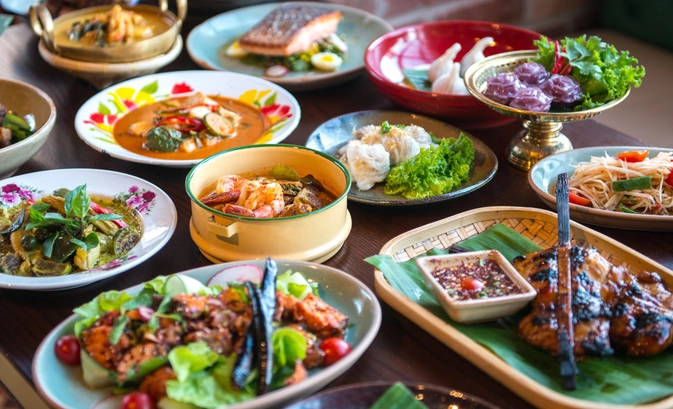
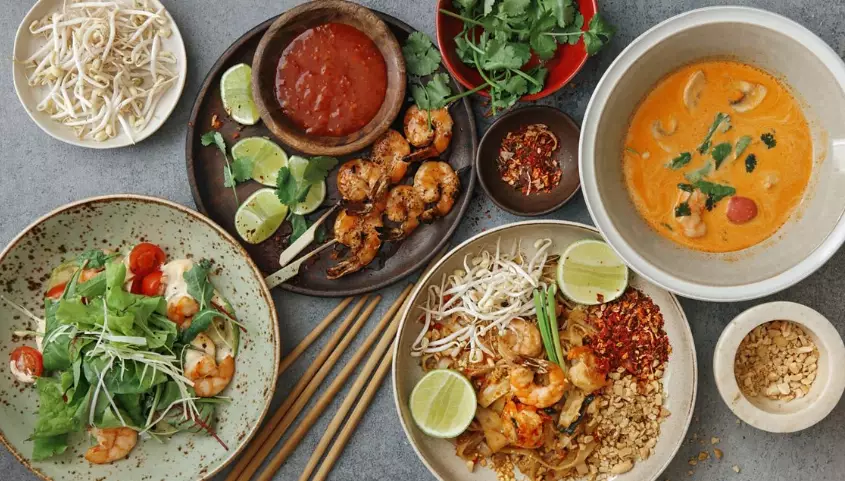
Final Bites of Advice
Exploring Thailand restaurant food is a journey. Don't feel pressured to get it “right” on the first try. Use this guide as a starting point, then follow your curiosity. Ask your server what they recommend—they know the menu best. Point to something that looks interesting on another table. The goal is to enjoy yourself and discover new flavors.
Remember, the best Thailand restaurant food experience is about more than just the dishes on the table. It's about the shared experience, the burst of unexpected flavors, and the joy of finding a new favorite. So next time you're looking at that menu, take a deep breath, smile, and dive in. You've got this.
And hey, if you end up with a dish that's too spicy? Don't suffer in silence. A bite of plain steamed rice is the best remedy, not water. Or order a sweet Thai iced tea to cool down. It happens to everyone. Now go forth and eat well.