Your Food Journey Guide
- The Heart and Soul of the Table: Must-Try Jordanian Dishes
- Mansaf: More Than Just a Meal
- A Regional Food Tour: Flavors from the North to the South
- How to Eat Like a Local: The Unwritten Rules
- Beyond the Main Course: Breakfast, Sweets, and Drinks
- Finding the Real Deal: Where to Eat Authentic Jordanian Food
- The Cultural Recipe: Why the Food Tastes This Way
Let's talk about food in Jordan. I remember my first real encounter with Jordan country food wasn't in a fancy restaurant, but in a cramped, noisy family kitchen in Amman. The smell of herbs and roasting meat was overwhelming in the best way possible. That's the thing about Jordanian cuisine – it's not just about eating, it's an experience, a loud, generous, and deeply social affair. If you're wondering what to expect from the culinary scene here, you're in for a treat. It's a hearty, flavorful world built on centuries of tradition, Bedouin hospitality, and the incredible produce this land offers.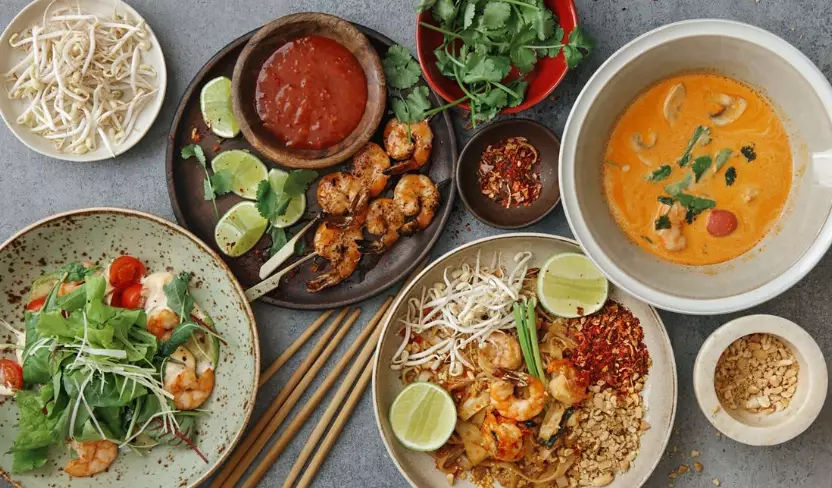
Forget any notion of delicate, tiny portions. Jordanian food is bold. It's about sharing massive platters, using your hands (right hand only, please!), and feeling completely welcomed. The core of it all is incredibly fresh ingredients: olive oil from ancient groves, tangy jameed (dried fermented yogurt), fragrant za'atar, lean lamb, and vegetables that actually taste like something. It's peasant food elevated to an art form, and honestly, it's some of the most satisfying eating you'll ever do.
The Heart and Soul of the Table: Must-Try Jordanian Dishes
You can't talk about traditional Jordanian food without starting with the national dish. It's non-negotiable.
Mansaf: More Than Just a Meal
Mansaf is Jordan. It's a celebration on a plate. Picture a huge platter layered with flatbread (shrak), topped with aromatic rice and tender lamb, and then drowned in a uniquely tangy sauce made from jameed. Everyone gathers around, using their right hand to roll balls of rice and meat. It's messy, it's communal, and it's absolutely delicious. The jameed gives it a sour, yogurt-like flavor that might be strange at first but becomes addictive. They serve this at weddings, graduations, and to honor guests. I found the lamb could sometimes be a bit fatty depending on where you are, but when it's good, it melts in your mouth.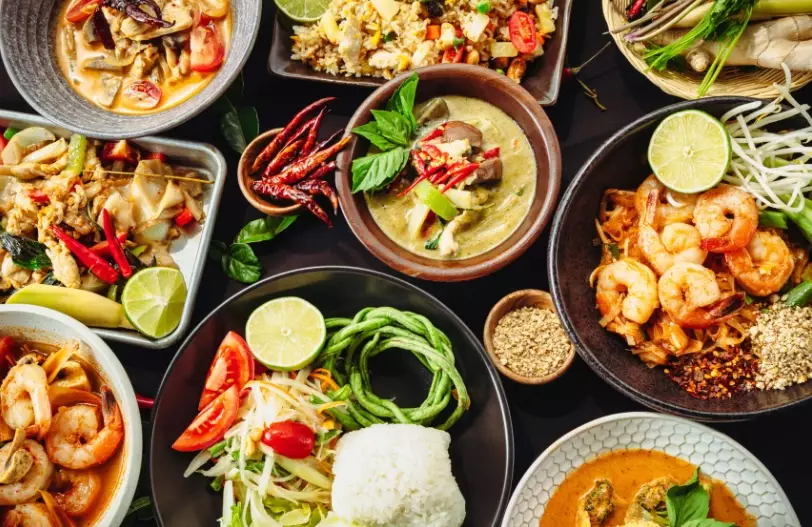
The Street Food Champions
While Mansaf is for special occasions, the real everyday heroes of Jordan country food are on the street.
Falafel & Hummus: Yes, you find them everywhere, but Jordanian versions hold their own. The falafel here tends to be greener inside (packed with herbs) and super crispy. The hummus is smoother, often served warm with a pool of gorgeous olive oil and whole chickpeas in the middle. For a classic experience, you get a plate of hummus, falafel, fresh vegetables, and pickles, with endless warm pita for scooping.
Shawarma: The vertical rotisserie towers are everywhere. Jordanian shawarma is usually chicken or lamb, thinly sliced, marinated in spices, and served in a sandwich with pickles, tomatoes, and a garlic sauce (toum) that will haunt your dreams (in a good way, mostly).
Manakish: Think of it as the Jordanian pizza. A flatbread dough topped with za'atar (a thyme, sumac, and sesame seed mix) and olive oil, then baked in a hot oven. The best ones are breakfast, straight from the wood-fired oven. You can also get them with cheese (jibneh) or minced meat (lahm bi ajin). A perfect, cheap, and filling start to the day.
Comfort in a Pot: Stews and Grills
Beyond the famous names, there's a whole world of comforting dishes.
- Magluba: Literally "upside-down." It's a casserole of rice, vegetables (like eggplant, cauliflower, potatoes), and chicken or lamb, all cooked in one pot. When it's done, the pot is flipped onto a large platter, creating a beautiful layered cake of food. It's a stunning centerpiece for a family meal.
- Musakhan: A Palestinian dish beloved in Jordan. Sumac-spiced chicken and onions piled high on taboon bread. The bread soaks up all the juices and oniony, sumac flavors. It's simple, rustic, and incredibly flavorful.
- Kebab & Kofta: You'll find these at most grill houses. Kebab is chunks of marinated meat, while kofta is spiced ground meat shaped around a skewer. They're usually served with grilled tomatoes, onions, flatbread, and hummus. Nothing fancy, just good, smoky grilled meat.
A Regional Food Tour: Flavors from the North to the South
Jordan's geography shapes its food. What you eat can change from the fertile north to the arid south.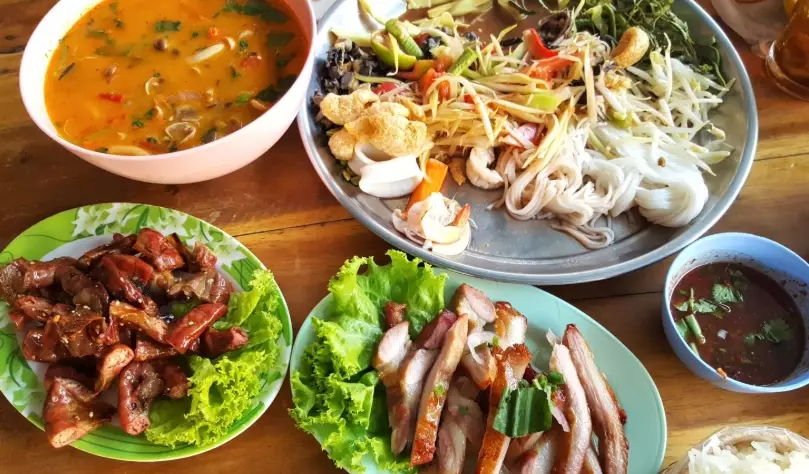
| Region | Specialties & Characteristics | Key Ingredient Focus |
|---|---|---|
| The North (Irbid, Ajloun) | More olive oil, fresh herbs, and vegetables. Lighter stews. Famous for its high-quality olive oil and dairy products from surrounding farms. | Olives, Olive Oil, Jameed (yogurt), Fresh Greens |
| Central (Amman, Salt) | The culinary melting pot. You find everything here – classic Mansaf, upscale Levantine, international cuisine, and the best street food scene. | Everything. The hub for diverse Jordan country food experiences. |
| The South (Petra, Wadi Rum, Aqaba) | Bedouin influence is strongest. More emphasis on lamb, rice, and bread cooked in simple, hearty ways. Zarb (underground barbecue) is a must-try experience here. | Lamb, Rice, Bread, Dates |
| The Dead Sea & Jordan Valley | Citrus fruits, bananas, and dates are abundant. You'll find fresh juices and fruits incorporated into meals. The climate allows for unique produce. | Citrus, Dates, Bananas |
Speaking of the south, you have to try Zarb if you're in Wadi Rum. It's a Bedouin barbecue where marinated meat and vegetables are cooked in an underground sand pit. The result is incredibly tender, smoky meat. It's more than food; it's a ritual under the stars.
How to Eat Like a Local: The Unwritten Rules
Knowing the dishes is half the battle. The other half is knowing how to navigate the meal. Jordanian hospitality is legendary, almost overwhelming.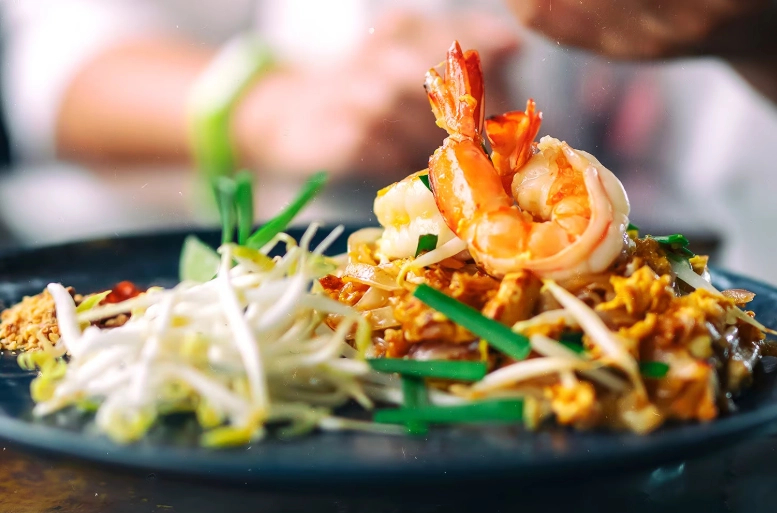
Portions are huge, designed for sharing. Don't order one main per person – you'll be buried in food. Start with a few mezze (appetizers) to share and maybe one or two mains for the table.
Eating with your hands (specifically the right hand) is common and expected for dishes like Mansaf. It feels awkward at first, but you get the hang of rolling the rice into a little ball. Just go for it. For other dishes, utensils are fine.
Leaving a little food on your plate is polite; it shows your host provided more than enough. But be prepared for them to insist you eat more. A lot more. It's a constant, friendly struggle.
Bread is your utensil. Use it to scoop up hummus, wipe up stews, and make little sandwiches with grilled meat. It's an essential part of the meal, not just an afterthought.
Beyond the Main Course: Breakfast, Sweets, and Drinks
Jordanian breakfast is a feast worthy of its own chapter. It's not a rushed affair.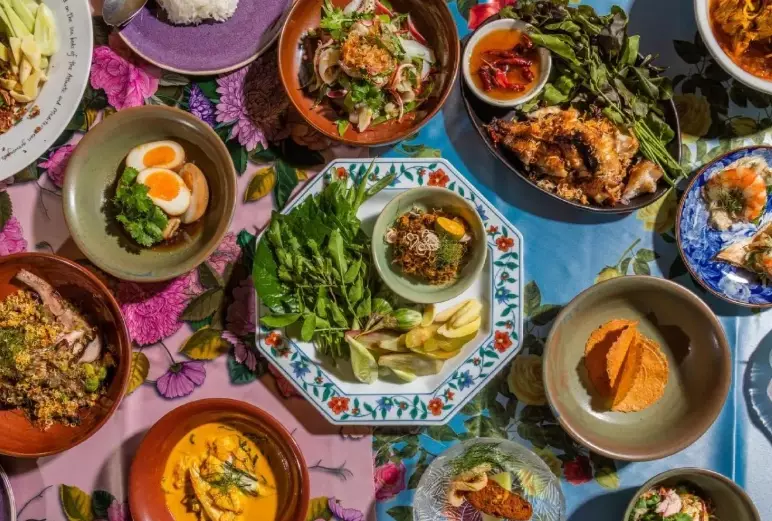
You'll see tables laden with labneh (strained yogurt, often rolled in olive oil and herbs), different cheeses, olives, za'atar with olive oil for dipping, fresh tomatoes and cucumbers, ful medames (a fava bean stew), and of course, warm bread. It's fresh, healthy, and sets you up for the day.
Now, for sweets. They love their pastries here, often dripping with syrup.
- Kunafa: The king. Shredded phyllo dough layered with sweet cheese or cream, baked until golden, and drenched in sugar syrup. It's served hot, gooey, and is a perfect balance of crispy, cheesy, and sweet. The version from Nablus (in the West Bank) is particularly famous, and you'll find excellent kunafa shops all over Jordan.
- Baklava: Layers of filo pastry, nuts, and syrup. The Jordanian versions are often less cloyingly sweet than some others.
- Atayef: A Ramadan specialty – small, fluffy pancakes usually filled with cheese or nuts, then fried or baked and soaked in syrup.
To drink: Arabic coffee (qahwa) is strong, cardamom-infused, and unsweetened. It's a symbol of hospitality. Mint tea (shai na'na) is the everyday drink, sweet and refreshing. For something unique, try sahlab – a warm, milky drink thickened with orchid root powder, topped with cinnamon and coconut. It's like a hug in a cup during winter.
Finding the Real Deal: Where to Eat Authentic Jordanian Food
This is crucial. You can have a mediocre tourist experience or an unforgettable one.
For a classic, no-frills experience: Head to the older parts of downtown Amman (Al-Balad) or Salt. Look for crowded local restaurants with simple décor. The menu might just be a list on the wall. Places like Hashem Restaurant in downtown Amman are institutions for a reason – they've been serving falafel and hummus to everyone from kings to students for decades. It's basic, fast, and authentic.
For a proper sit-down traditional meal: Seek out restaurants that specialize in "Mada'i" or traditional cooking. Places like Al-Quds or Reem in Amman are famous for their Mansaf and Magluba. They're often large, family-oriented places.
For a more upscale, modern take: Amman has a growing scene of restaurants that reinterpret traditional flavors in a contemporary setting. These are great if you want the flavors in a more refined atmosphere.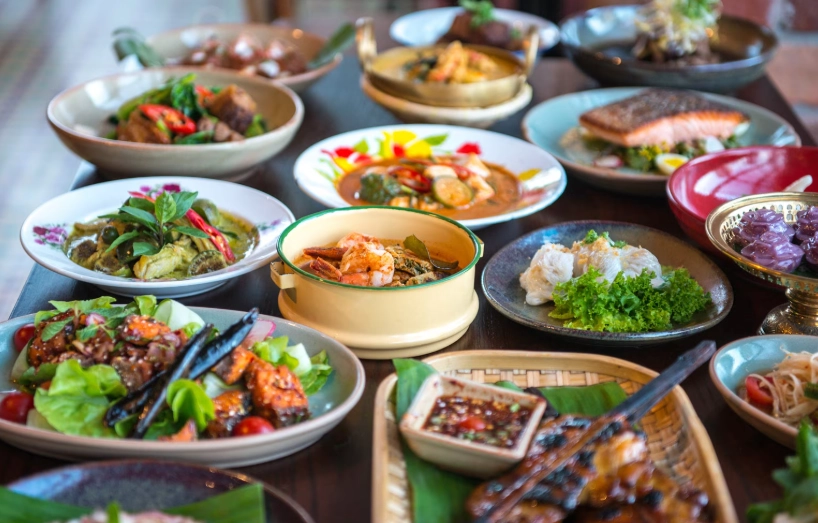
My advice? Do both. Spend one night at a plastic-tablecloth joint in downtown and another at a nicer place. The contrast is part of the fun.
Your Jordan Country Food Questions, Answered
The Cultural Recipe: Why the Food Tastes This Way
The flavors of Jordan country food aren't an accident. They're a direct result of history and landscape. The Ottoman influence brought pastries and cooking techniques. The Bedouin tradition emphasized portable, preserving methods like drying yogurt into jameed and using spices that kept well. The Mediterranean climate provides the olive oil, fresh herbs, and vegetables.
But more than anything, it's about generosity. Food is the primary language of hospitality in Jordan. The act of sharing a massive platter is central to social bonding. It's why meals feel so abundant. It's not gluttony; it's a display of warmth and welcome. When you eat here, you're participating in that centuries-old tradition.
For further reading on the cultural and historical context of the region's diet, the UNESCO page on the Mediterranean diet provides interesting insights into the shared culinary heritage, though it focuses on a broader region. For practical travel and food tips within Jordan, the official Jordan Tourism Board website is a reliable starting point. If you're curious about specific ingredients like Za'atar, articles from reputable sources like BBC Travel offer great deep dives.
So, go in hungry and open-minded. Don't just stick to what you know. Order the weird-sounding yogurt sauce. Try the bitter coffee. Get your hands dirty. The real magic of Jordanian cuisine isn't just in the recipes; it's in the shared experience around the table. That's the flavor you'll remember long after you've left.