What You’ll Find Here
- The Heart of the Matter: What Makes Indonesian Foods Unique?
- Top 5 Must-Try Indonesian Dishes (Start Here)
- The Wild World of Indonesian Street Food
- Navigating the Heat: A Real Talk Guide to Spice in Indonesian Foods
- Beyond the Plate: How to Eat Indonesian Food
- Your Indonesian Food Questions, Answered
- The Final Bite: Your Next Step with Indonesian Foods
Let's be honest, when most people think of Asian cuisine, their minds jump straight to Thai curries, Japanese sushi, or Chinese dim sum. Indonesian foods? They often get lumped in as an afterthought, or worse, confused with other Southeast Asian flavors. That's a real shame, because it means a lot of folks are missing out on one of the most complex, diverse, and downright delicious food cultures on the planet.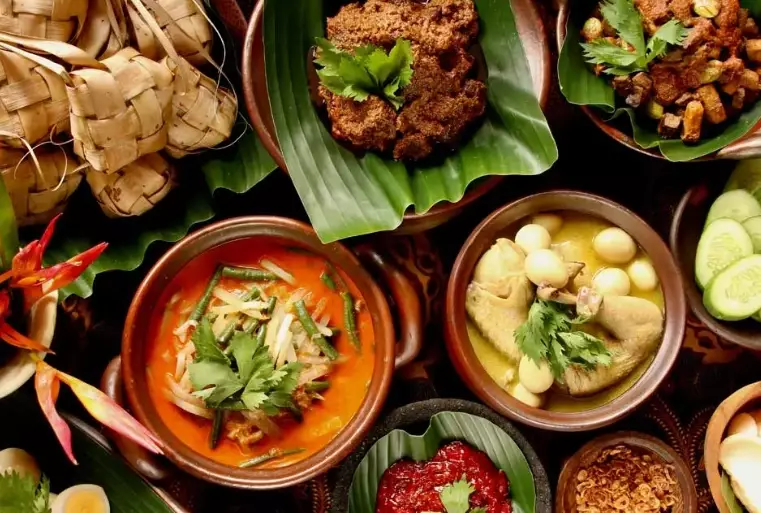
I remember my first real encounter with Indonesian cuisine wasn't in a fancy restaurant. It was at a cramped, smoky street stall in Yogyakarta at midnight. The air was thick with the scent of charcoal and spices I couldn't even name. I pointed at something vaguely familiar-looking (it turned out to be sate ayam), and that first bite was a revelation. It wasn't just food; it was a story of islands, history, and trade routes, all packed into a few skewers. That's what Indonesian food is—an edible adventure.
This guide is for you if you've ever scrolled past "Indonesian restaurant" on a delivery app, unsure of what to order. Or if you're planning a trip to Bali and don't want to survive on just hotel buffet fried rice. We're going to break it down, dish by dish, flavor by flavor. No jargon, no pretentious foodie talk. Just a straight-up, useful map to navigating the wonderful, sometimes intimidating, world of Indonesian foods.
The Heart of the Matter: What Makes Indonesian Foods Unique?
You can't just say it's "spicy" or "uses rice." That's like saying Italian food is just "tomatoey." The soul of Indonesian cooking lies in a few foundational elements that pop up everywhere, from a five-star Jakarta restaurant to a roadside warung (a small, family-run eatery).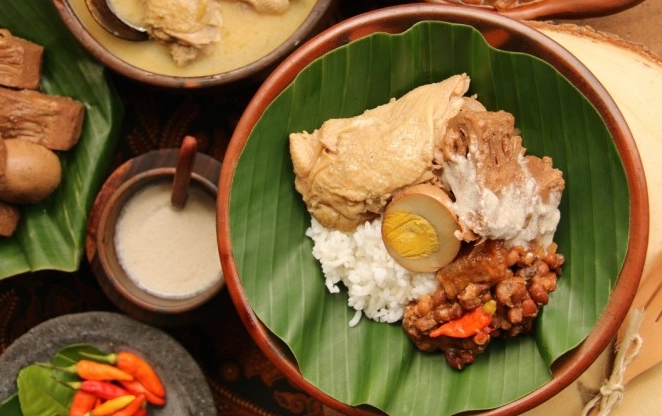
First, the base pastes. Many dishes start with a bumbu—a paste ground fresh daily from a combination of shallots, garlic, ginger, turmeric, galangal (a sharper cousin of ginger), and candlenuts. This isn't just background noise; it's the flavor foundation. The quality and balance of the bumbu make or break a dish.
Then, there's the umami bomb squad. Indonesian cooks are masters of fermented flavor. Kecap manis is the star—a sweet, thick, molasses-like soy sauce that's nothing like the salty Japanese kind. It's used as a marinade, a glaze, a dipping sauce, everything. Then you have terasi (shrimp paste), a pungent, funky block of fermented shrimp that smells... challenging on its own but works magic when cooked. Tamarind provides a sour kick, and palm sugar adds a deep, caramel sweetness that balances the heat.
A quick confession: The first time I smelled raw terasi, I nearly recoiled. It's intense. But I learned to trust the process. Once it hits a hot wok with other ingredients, it transforms into this incredible savory depth that you'd miss if it wasn't there. Don't let the initial aroma scare you off.
And of course, the chilli. But it's not just about heat. It's about flavor. Sambal is the king here. It's a condiment, a side dish, a cooking ingredient. There are hundreds of varieties—from the simple sambal terasi (with shrimp paste) to sambal matah (a raw, fragrant Balinese version). A meal isn't complete without a little bowl of sambal on the side. The question is never "if" you'll have chilli, but "which one."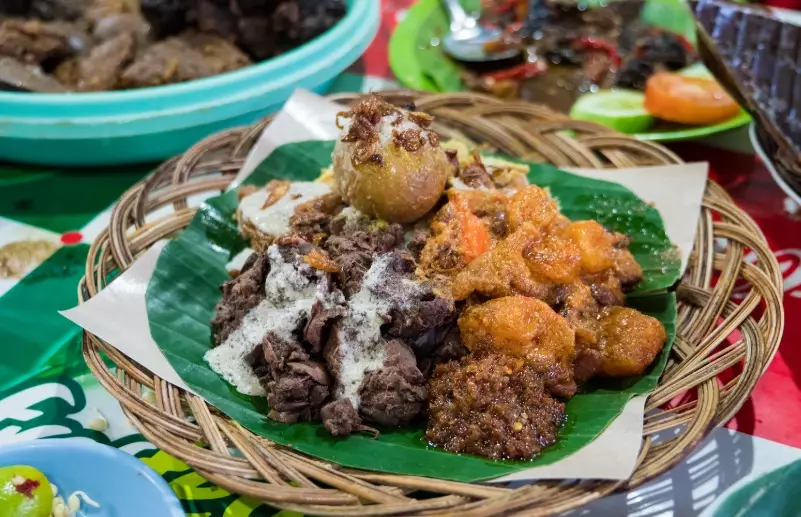
Top 5 Must-Try Indonesian Dishes (Start Here)
Okay, let's get practical. You're looking at a menu, it's all in Indonesian, and you're overwhelmed. Start with these five. They're the national icons for a reason. Consider this your essential starter pack for exploring Indonesian foods.
| Dish Name | What Is It? | Key Flavors & Ingredients | Origin/Region | Spice Level (1-5) |
|---|---|---|---|---|
| Nasi Goreng | Indonesian fried rice. Often called the national dish. | Day-old rice, kecap manis, shallots, garlic, chilli, often with chicken, shrimp, or a fried egg on top. | Java (now nationwide) | 2 (Adjustable) |
| Satay (Sate) | Skewered and grilled meat, served with a peanut sauce. | Marinated chicken, goat, or beef, charcoal-grilled. The sauce is peanuts, kecap manis, chilli. | Java, with many regional variants | 2-3 (Sauce dependent) |
| Rendang | Often called "the world's best food." A rich, dry curry. | Beef slow-cooked in coconut milk and a complex spice paste (rendang paste) until the sauce is absorbed and the meat is tender. | West Sumatra (Minangkabau) | 3 |
| Gado-Gado | Indonesian vegetable salad with peanut sauce. | Blanched veggies (bean sprouts, spinach, potato), tofu, tempeh, hard-boiled egg, lontong (rice cake), all smothered in a creamy peanut dressing. | Java | 1-2 |
| Soto Ayam | A fragrant, turmeric-based chicken soup. | Clear chicken broth infused with turmeric, lemongrass, galangal. Served with shredded chicken, rice noodles, and potato cakes. | Many regions (Soto Betawi from Jakarta is creamy with coconut milk) | 1 |
Nasi Goreng is your safe haven, but a good one is anything but boring. The secret is using cold, day-old rice so it fries up nice and separate, not mushy. The kecap manis gives it that signature sweet, dark color and flavor. It's comfort food, Indonesian-style.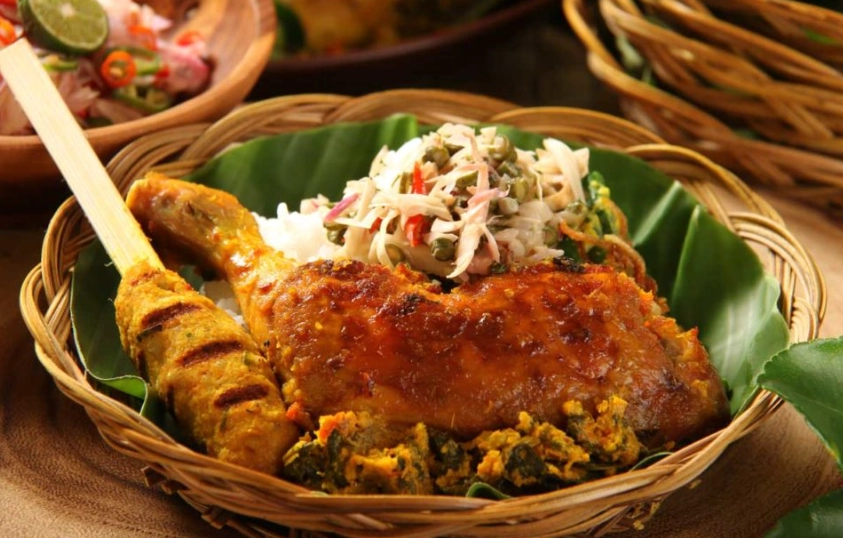
Now, Rendang. There's a lot of hype. Is it worth it? In my opinion, absolutely—when it's done right. A proper rendang isn't a saucy curry. It's a slow-cooked process where the coconut milk breaks down, caramelizes with the spices, and coats the beef in a dark, almost dry, intensely flavorful crust. It should be tender enough to pull apart with a spoon. A bad rendang is just a generic beef curry. A good one is unforgettable. The Ministry of Tourism and Creative Economy of Indonesia actually lists it as a national dish, and you can see their cultural promotion of foods like Rendang on their official portal.
Satay is everywhere. The peanut sauce can be a deal-breaker. A great one is balanced—creamy, a bit sweet, a bit savory, with a hint of chili heat. A bad one is just gloopy, sweet peanut butter. Don't be afraid to try the mutton or goat satay (sate kambing); it's often more flavorful than chicken.
The Wild World of Indonesian Street Food
If you want to eat like a local and spend very little money, the street is where it's at. This is where Indonesian foods are at their most vibrant and inventive. Hygiene? Use common sense. Look for stalls with a high turnover of locals. The food is often cooked fresh right in front of you.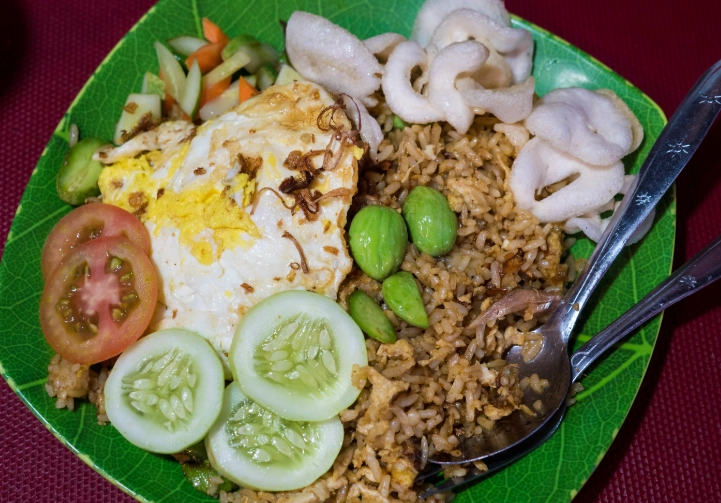
Here are some street food heroes you need to know:
- Bakso: Springy meatball soup. The meatballs (bakso) are made from beef (or sometimes chicken/fish) and have a surprisingly bouncy texture. Served in a clear beef broth with noodles, tofu, and fried wontons. A perfect, comforting meal in a bowl.
- Martabak: Two totally different things share this name. Martabak Telur is a savory, pan-fried stuffed pancake, filled with spiced minced meat and eggs. Martabak Manis (or Terang Bulan) is a thick, sweet dessert pancake, cooked in a special pan, filled with chocolate, cheese, peanuts, or condensed milk. It's absurdly indulgent.
- Pisang Goreng: Fried bananas. Often coated in a simple batter and deep-fried until crispy on the outside, molten and sweet inside. The ultimate cheap dessert or snack.
- Siomay & Batagor: Indonesianized dim sum. Siomay is steamed fish dumplings, while Batagor is fried (bakso tahu goreng – fried meatball and tofu). Both are served with a peanut sauce and a bit of sweet soy and chili.
Street Food Tip: The word "pedas" means spicy. If a vendor asks "pedas?" and you're unsure, say "sedikit saja" (a little bit) or "tidak pedas" (not spicy). You can always add more heat later with sambal!
A Quick Street Food Table for the Adventurous
| Street Food | Description | What to Expect | Best Paired With |
|---|---|---|---|
| Nasi Padang | Not a single dish, but a style. A restaurant serves dozens of pre-cooked dishes (rendang, curries, fried fish). You take what you want from the display, and rice is the base. | A feast of flavors. Point at what looks good. You'll be charged for what you take. | A cold teh botol (sweet bottled tea) or water. |
| Pempek | Fish cake from Palembang, made from fish and sago. Comes in various shapes. | A chewy, savory cake served with a sweet, sour, and spicy vinegar-based sauce called cuko. | On its own as a hearty snack. |
| Rujak | A fruit salad with a spicy-sweet dressing made from palm sugar, tamarind, and chili. | A wild flavor combo: sweet mango, pineapple, and cucumber meet a spicy, sticky brown sauce. Not for the faint of heart! | Nothing, it's a standalone flavor explosion. |
Navigating the Heat: A Real Talk Guide to Spice in Indonesian Foods
This is probably the biggest worry for newcomers. Yes, many Indonesian foods are spicy. But it's a manageable, flavorful heat for the most part. The key is communication and knowing what you're getting into.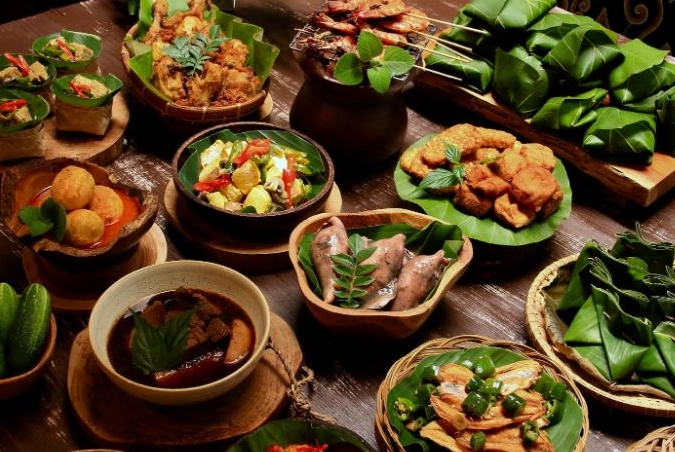
Sambal is the main vehicle for serious heat. It's usually served on the side. You control how much you mix into your rice or dab onto your meat. A dish described as "sambal goreng..." (like sambal goreng tempe) means the sambal is cooked into the dish, so it will be spicy throughout.
Heads up: The little red or green fresh chillies you sometimes see as a garnish or in salads (like in sambal matah) are very hot. They're bird's eye chillies (cabe rawit). Treat them with respect. One is often enough to light up your mouth.
Here's a practical spice scale for common dishes:
- Mild (1): Soto Ayam, Gado-Gado, most Bakso, Pisang Goreng. Good starting points.
- Medium (2-3): Most Nasi Goreng, Satay (sauce dependent), Rendang. Flavorful with a warmth that builds.
- Hot (4): Dishes with "sambal goreng" in the name, some Nasi Padang side dishes, certain types of sambal.
- Extreme (5): Raw sambal terasi, dishes loaded with cabe rawit, some Sumatran food. Proceed with caution.
My strategy? I always ask for sambal on the side (sambal dipisah). I start with a tiny bit on the tip of my spoon, mix it with some rice, and test. You can always add more, but you can't take it out.
Beyond the Plate: How to Eat Indonesian Food
The experience is part of the fun. In many traditional settings, especially in West Sumatra (for Nasi Padang) or in rural areas, you eat with your right hand. You take a small clump of rice, use your fingers to mix it with a bit of curry or rendang, and then form a neat little bundle to pop in your mouth. It's messy but incredibly satisfying—it connects you to the food in a different way. Utensils (spoon and fork) are completely standard and provided everywhere, so don't feel pressured to go manual.
Sharing is common. Meals are often served family-style with several dishes in the middle. Rice is your personal canvas, and you take a little from each shared plate to build your perfect bite.
Your Indonesian Food Questions, Answered
Is Indonesian food generally healthy?
It can be! There's a great balance: lots of fresh vegetables (in dishes like Gado-Gado, Pecel, Sayur Asem), lean proteins (grilled satay, fish), and complex spices with anti-inflammatory properties (turmeric, ginger). The pitfalls are the heavy use of coconut milk (high in saturated fat) in some curries and rendang, and the prevalence of deep-frying for snacks and tempeh/tofu. As with any cuisine, it's about balance. Opt for grilled (bakar), steamed (kukus), or soupy (berkuah) dishes more often than the fried (goreng) ones.
I'm vegetarian/vegan. Will I starve?
Not at all! Indonesia, with its large Hindu-Buddhist history (especially in Bali) and Muslim population observing certain fasting periods, has a wealth of plant-based options. Tempeh is Indonesia's gift to the world—fermented soybeans pressed into a cake. It's a complete protein with a nutty flavor and firm texture. Tahu (tofu) is also ubiquitous. Gado-Gado and Pecel (a similar salad with a different peanut sauce) are vegan if made without egg. Sayur Lodeh is a vegetable stew in coconut milk. Just be cautious of shrimp paste (terasi) and fish-based sauces in some dishes; you can ask "ada terasi?" (is there shrimp paste?) or say "saya vegetarian, tidak pakai terasi/daging/ayam/ikan" (I'm vegetarian, no shrimp paste/meat/chicken/fish).
What's the one dish I should absolutely not miss?
Beyond the big five, I'd argue for Rawon. It's a black beef soup from East Java. The black color comes from keluak nuts, which give it an earthy, slightly bitter, almost chocolatey depth that is utterly unique. It's served with rice, bean sprouts, and a salted egg. If you see it on a menu, order it. It's a masterclass in complex, savory flavor.
How do I order if I don't speak Indonesian?
Pointing and smiling works wonders. Many places in tourist areas have English menus or pictures. Learn these few key phrases:
- "Nasi putih" = White rice (your base).
- "Yang tidak pedas" = The one that's not spicy.
- "Saya mau ini" = I want this (while pointing).
- "Berapa harganya?" = How much is it?
Most Indonesians are incredibly friendly and patient with visitors trying their food. A little effort goes a long way.
The Final Bite: Your Next Step with Indonesian Foods
So where do you go from here? If you're lucky enough to have an Indonesian restaurant nearby, just go. Don't overthink it. Order a plate of Nasi Goreng and a few Satay skewers to share. Maybe be brave and get a Rendang if it's on the menu. Taste the sambal cautiously.
If you're cooking at home, start with a good bottle of kecap manis (ABC brand is widely available internationally) and make your own simple Nasi Goreng. You can find authentic recipes from sources like Saveur or Serious Eats, which often feature well-researched, tested recipes from global cuisines. For a deep dive into specific recipes and techniques, the website Daily Cooking Quest is run by an Indonesian cook and is a fantastic, authentic resource.
The world of Indonesian foods is vast. We've barely scratched the surface of regional specialties like Manado's fiery seafood, the sweet dishes of Java, or the unique flavors of Bali using ingredients like base genep. But that's the beauty of it—there's always something new to discover.
Just remember, it's okay if you don't like everything. I'm not the biggest fan of some overly sweet Martabak Manis varieties—too much for me. The point is to explore, to taste, and to enjoy the journey. After all, that's what good food, especially the wonderfully diverse world of Indonesian foods, is all about.