Let's cut through the postcard images for a second. When people talk about food in Singapore, you'll instantly hear about chili crab and the famous hawker centres. And they're not wrong. But treating Singaporean cuisine as just a checklist of dishes misses the point entirely. It's a living, breathing ecosystem—a chaotic, delicious conversation between Chinese, Malay, Indian, and Peranakan traditions, all played out on the world's most intense urban stage. I've spent years eating my way through this city, from $3 plates of noodles to tasting menus, and the truth is, the most memorable meals often cost the least. This guide isn't about the fanciest places; it's about how to eat like you get it.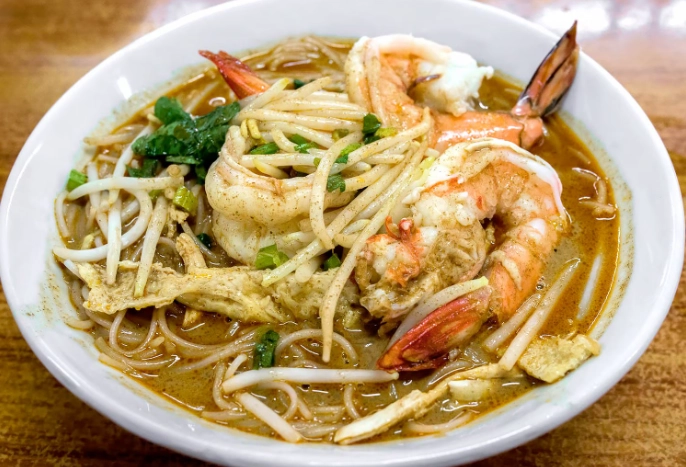
Your Food Adventure Map
The Hawker Centre: Singapore's True Dining Room
Forget the air-conditioned mall food court. A hawker centre is an open-air complex housing dozens of independent food stalls, each specializing in one or two dishes perfected over a lifetime. This is where the magic happens. It's loud, it's humid, and finding a seat during lunch rush is a competitive sport. But it's also where a CEO in a suit shares a table with a construction worker, both focused on their $5 plate of Hainanese chicken rice. That's the social equalizer right there.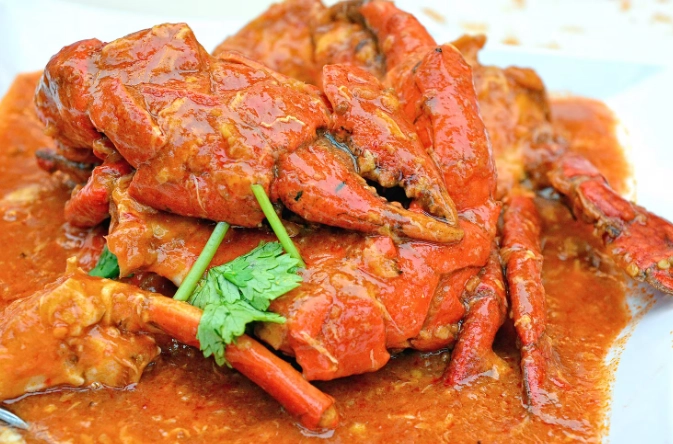
The biggest mistake tourists make? Going to the most famous one (like Newton or Lau Pa Sat) at 7 PM and expecting a serene experience. You'll face crowds, tourist prices, and maybe some underwhelming food. My strategy? Hit the iconic ones off-peak, or explore the ones in residential heartlands.
Pro Tip: Don't just look for the longest queue. Sometimes it's for hype. Look for stalls with the Singapore Food Masters certification or the Michelin Bib Gourmand sticker (not necessarily the Star). These are reliable indicators of quality that locals trust. Also, check the hygiene grade—'A' is what you want.
Here are three hawker centres I keep going back to, each with a different vibe: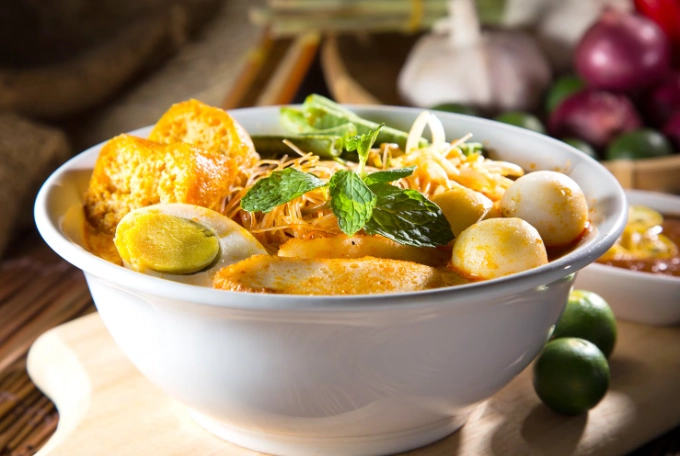
Maxwell Food Centre (Chinatown)
The gateway drug for many. It's centrally located, has famous stalls, and manages to feel authentic despite the tourists. Tian Tian Hainanese Chicken Rice (Stall #01-10) is the legend here, but honestly, the queue is often insane. Ah Tai Chicken Rice (Stall #01-07), started by a former Tian Tian chef, is 95% as good with half the wait. Don't miss the Maxwell Fuzhou Oyster Cake (Stall #01-05) for a crispy, savory snack. Opens 10 AM - 8 PM (stalls close on rotation, some Mon).
Old Airport Road Food Centre
This is where many locals will send you. It's huge, slightly less touristy, and the quality across the board is stellar. The Xing Ji Rou Cuo Mian (Stall #01-115) for fishball noodles and Lao Ban Soya Beancurd (Stall #01-127) for silky, wobbly tofu dessert are institutions. Come hungry, leave very happy. Most stalls open 8 AM - 10 PM.
Amoy Street Food Centre (CBD)
This is the lunchtime thunderdome for office workers. Go after 1:30 PM if you hate crowds. The quality is fierce because the clientele is demanding. Hao Kee Prawn Noodle (Stall #02-124) serves a rich, shrimp-based broth that's pure comfort. A hidden gem for excellent Char Kway Teow too. Opens weekdays for breakfast/lunch; many stalls closed weekends.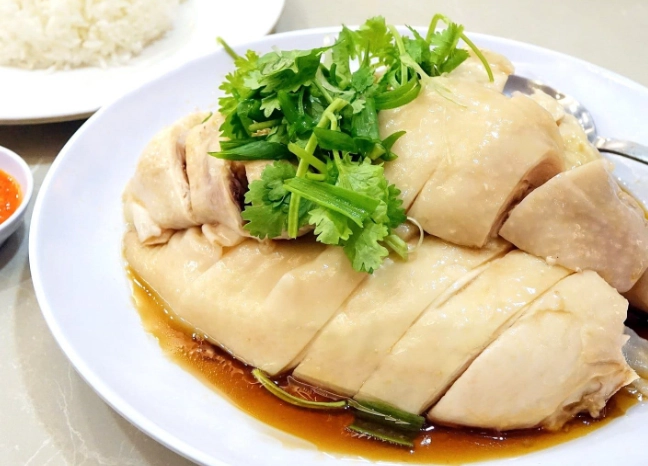
What to Eat: The Non-Negotiable Dishes
You could spend a month eating something new every day. But if you're short on time, these are the pillars. Think of them not as items to tick off, but as categories to explore.
| Dish | What It Is | Where to Start (Hawker Stall) | Price Range (SGD) |
|---|---|---|---|
| Hainanese Chicken Rice | Poached chicken, fragrant rice cooked in chicken fat, chili & ginger dips. | Tian Tian (Maxwell), Yet Con (Purvis St), Wee Nam Kee (multiple). | $4 - $6 |
| Char Kway Teow | Stir-fried flat rice noodles with cockles, Chinese sausage, egg, in dark soy & chili. | Outram Park Fried Kway Teow (Hong Lim), Hill Street (Bedok). | $5 - $8 |
| Laksa | Spicy coconut curry noodle soup with shrimp, fishcake, cockles. | Sungei Road Laksa (Jalan Berseh), 928 Yishun Laksa. | $4 - $6 |
| Chili Crab / Black Pepper Crab | Mud crab in a sweet, savory, spicy tomato-based sauce or pungent pepper sauce. | Jumbo Seafood (East Coast), Long Beach Seafood (Dempsey). *Restaurant dish. | $50 - $80 (for crab) |
| Roti Prata | Indian flaky flatbread, crispy outside, soft inside, served with curry. | The Roti Prata House (Upper Thomson), Mr and Mrs Mohgan's (Jalan Kayu). | $1.50 - $3 per piece |
A personal opinion? Skip the over-hyped chili crab at the giant chain restaurants on the waterfront if you're on a budget. The experience is great, but the bill is steep. For a more local and equally satisfying seafood fix, head to a zi char stall (open-air cooked food stall) in a neighbourhood like Geylang or Bedok. You'll get sambal stingray, butter prawns, and clay pot tofu for a fraction of the price.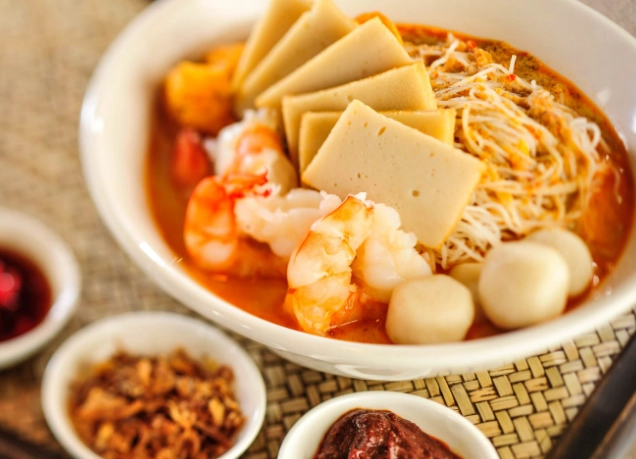
Beyond the Hawker Centre: Restaurants & Specialties
Hawker centres are the soul, but Singapore's food scene has incredible depth.
Peranakan (Nyonya) Food: A Must-Understand Cuisine
This is the fusion food born centuries ago—Chinese ingredients meeting Malay spices. It's complex, labor-intensive, and utterly delicious. Dishes like Ayam Buah Keluak (chicken with black nut paste) and Kueh Pie Tee (crispy cups with filling) are revelations. For an authentic experience, book at Candlenut (17a Dempsey Rd) – the world's first Michelin-starred Peranakan restaurant. It's pricey but worth it. For a more casual, home-style meal, try Guan Hoe Soon (38/40 Joo Chiat Pl), one of the oldest establishments.
The Fine-Dining Scene
It's world-class. From the modernist marvels of Odette or Zen to the incredible Indian cuisine at Thevar, there's no shortage. But here's a niche tip: look for chef's counter experiences at modern Asian places like Burnt Ends (Telegraph: 7A, 7B Dempsey Rd) for insane barbecue or Labyrinth (HarbourFront) for Singaporean ingredients presented in wildly creative ways. Reservations are essential, often months in advance.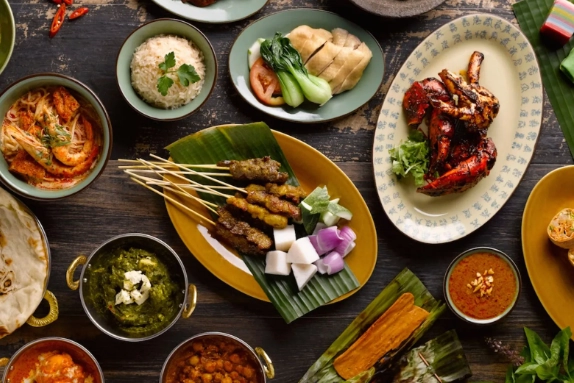
The Coffee Shop & Bakery Culture
Start your day like a local with kaya toast—crispy toast with coconut egg jam and slab of cold butter—and soft-boiled eggs, dipped with dark soy and white pepper. Wash it down with strong kopi (local coffee). Ya Kun Kaya Toast is the reliable chain, but any old-school coffee shop will do. For pastries, don't miss the flaky, buttery curry puffs from Old Chang Kee or Tip Top.
How to Navigate Like a Local (Not a Tourist)
This is where I see visitors stumble. A few unwritten rules:
Choping seats: The infamous tissue packet method. It works. A packet on the table means the seat is taken. Respect it.
Ordering: At a hawker centre, you usually order and pay directly at the stall, then wait for your number to be called. Some busier stalls give you a buzzer. At a zi char stall, you sit down, get a menu, and a server comes to you.
Payment: Cash is still king at most hawker stalls. Have small bills. Increasingly, many accept SGQR or even tap payment with your transport (EZ-Link) card.
The one-dish-per-stall rule: It's perfectly normal (and expected) for your group to order different dishes from different stalls and bring them to one table. That's the beauty of it.
My biggest piece of advice? Be adventurous but also be observant. If a stall has a picture of a specific dish from 20 years ago faded on its sign, that's probably the one thing you should order.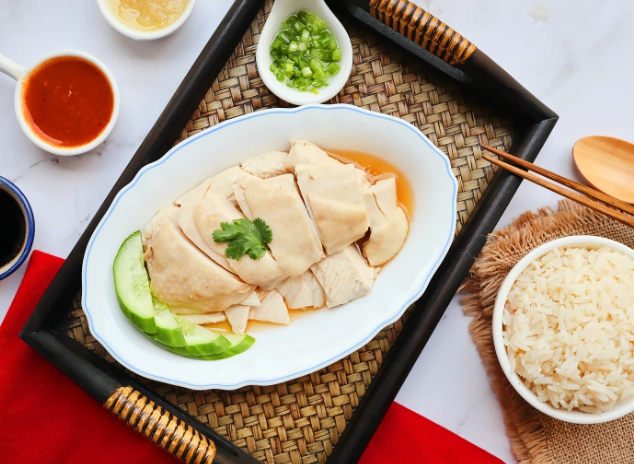
Your Burning Questions on Singapore Food
Ultimately, exploring food in Singapore is about embracing the organized chaos. It's about the sizzle of the wok, the shared tables, and the sheer passion poured into every plate, whether it costs $3 or $300. Put the map away, follow your nose, and don't be afraid to point at what the person next to you is eating. That's where the real adventure begins.