Jordanian food is a hidden gem in the Middle East, blending Bedouin traditions, Levantine flavors, and Mediterranean freshness. Forget what you've heard about generic "Middle Eastern cuisine"—Jordan's culinary scene tells stories of hospitality, history, and heart. I spent weeks eating my way through Amman, Petra, and beyond, and here's the real deal: you can't visit without diving into dishes like mansaf or street-side falafel. Let's cut to the chase and explore what makes Jordanian food unforgettable.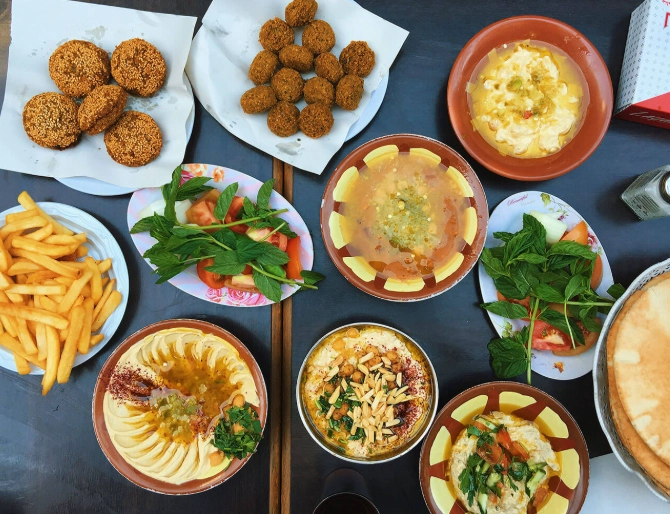
Your Quick Bite: Navigate This Guide
What Makes Jordanian Food Unique?
It's not just about hummus and pita. Jordanian cuisine revolves around communal eating, seasonal ingredients, and deep-rooted customs. According to the Jordan Tourism Board, food is a symbol of generosity—think large platters shared with family. The flavors lean toward earthy and tangy, with staples like olive oil, yogurt, and spices like sumac and za'atar. I recall a dinner in a Jordanian home where the host insisted I try everything; refusing is considered rude, so pace yourself.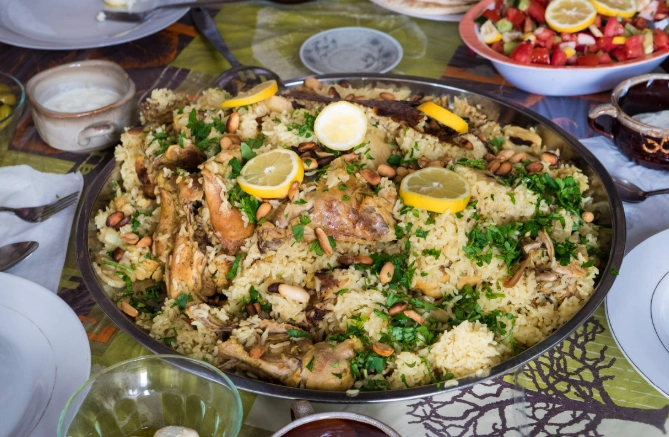
The Cultural Backbone: More Than Just Fuel
Dishes often reflect Jordan's history. Mansaf, for example, dates back to Bedouin times and is served at weddings and festivals. Street food like falafel has Palestinian influences, while sweets like knafeh show Ottoman traces. Don't miss the breakfast culture: locals start with fatteh (bread with yogurt and chickpeas) or labneh with olive oil. It's hearty, not light—perfect for a day of exploring ruins.
Top 5 Must-Try Jordanian Dishes
Skip the generic menus and target these. I've ranked them based on flavor and cultural significance.
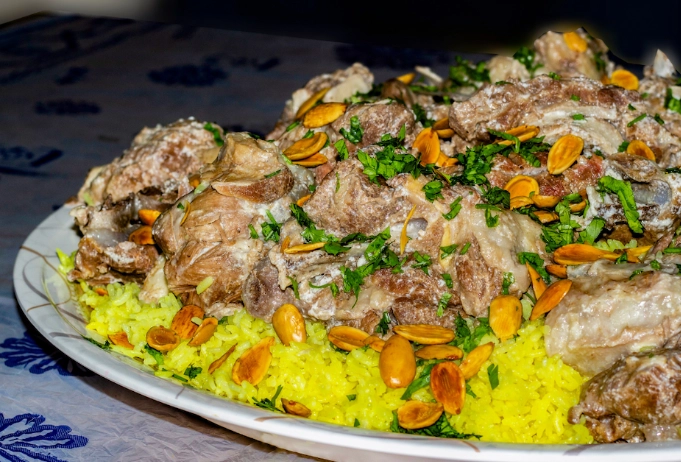
- Mansaf: The national dish. Lamb simmered in jameed sauce, served over rice. Eat it with your right hand for authenticity. Pro tip: The yogurt sauce can be an acquired taste—some find it too sour, but pair it with flatbread to balance.
- Falafel: Crispy chickpea fritters, often stuffed in pita with veggies and tahini. Hashem Restaurant in Amman does it best—crunchy outside, fluffy inside.
- Maqluba: A "upside-down" casserole of rice, meat, and vegetables. It's a showstopper when flipped at the table. I had a version in Madaba that was overly greasy, so ask for less oil.
- Knafeh: A sweet cheese pastry soaked in syrup. Head to Habibah Sweets in Amman (Al-Salt Street) for the classic version. It's addictive, but share it—too sweet solo.
- Zarb: Bedouin barbecue cooked underground. You'll find it in Wadi Rum camps. The smoky flavor is unreal, but book ahead as it takes hours to prepare.
Where to Eat in Jordan: Restaurant Picks
Here's a breakdown of spots I personally visited, with details to help you plan. Prices are in USD for a meal per person.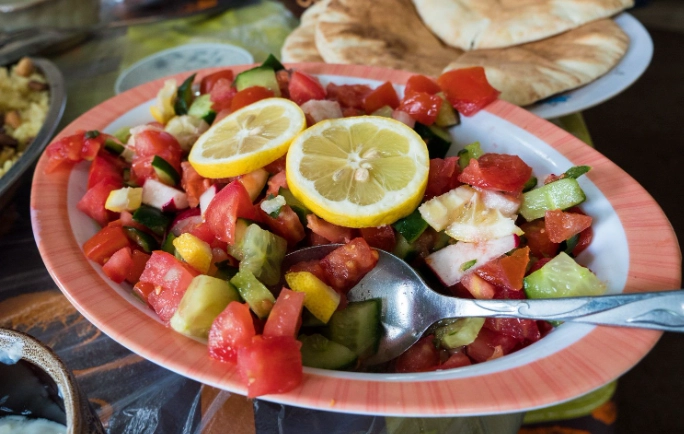
| Restaurant | Location | Specialty | Price Range | Hours | Note |
|---|---|---|---|---|---|
| Hashem Restaurant | King Faisal St, Downtown Amman | Falafel, Hummus, Foul | $ (under $5) | 24/7 | Cash only, chaotic but worth it |
| Al-Quds Restaurant | Al-Rainbow St, Amman | Mansaf, Grilled Meats | $$ ($10-20) | 12 PM–11 PM | Touristy but reliable |
| Petra Kitchen | Tourist St, Petra | Maqluba, Local Dishes | $$ ($15-25) | 7 AM–10 PM | Cooking classes available |
| Ali Baba Restaurant | Aqaba Marine Drive | Seafood, Mezze | $$$ ($20-30) | 1 PM–midnight | Great views, book ahead |
| Zikra Initiative | Ghor Al-Mazra'a (near Dead Sea) | Farm-to-Table Jordanian | $$ ($10-15) | By appointment | Social enterprise, unique experience |
For street food, don't overlook Amman's Jabal Al-Weibdeh area. Abu Jbara (near Paris Circle) serves hummus that's creamier than most—I went back twice. In Petra, avoid the restaurants right by the entrance; walk 10 minutes into Wadi Musa town for better prices.
Insider Scoop: Many travelers miss out on breakfast joints like Al-Malabeh in Amman (off Mecca Street), where fatteh costs $3 and comes with mint tea. Go before 9 AM to beat the crowd.
How to Eat Like a Local in Jordan
It's easier than you think. Start by visiting souks like Amman's Downtown Market—vendors sell spices, nuts, and fresh produce. Grab a bag of za'atar for souvenirs. Join a cooking class; I tried one with Beit Sitti in Amman (Maria Dobbs Street), where we made maqluba from scratch. Cost was $30 for 3 hours, including dinner.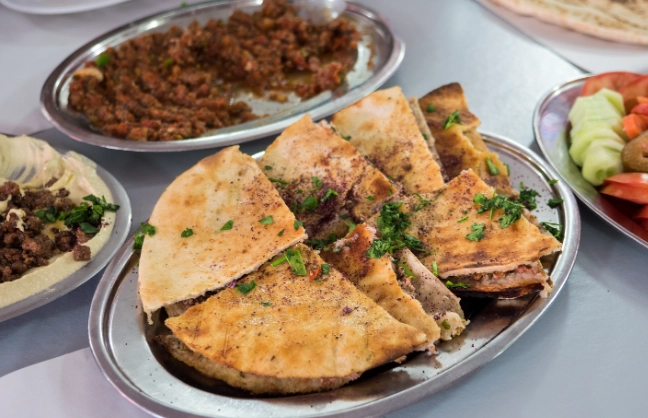
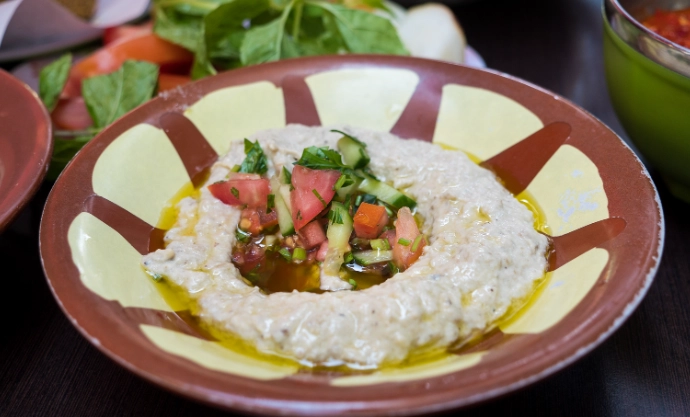
Eat late. Dinner often starts at 8 PM or later. Embrace mezze spreads: order small plates like mutabbal (smoky eggplant dip) and warak enab (stuffed grape leaves). Drink Arabic coffee—it's strong and cardamom-spiced, but often unsweetened. If you're offered tea, accept it; declining might seem impolite.
Budget Hacks for Foodies
Street food is your friend. A falafel sandwich costs $1-2, and fresh juice from stands is under $1. For sit-down meals, look for "buffet-style" places in residential areas—they offer variety at $5-10. I saved by skipping bottled water; many hotels and cafes have filtered water refills.
Common Mistakes to Avoid
I've seen tourists blow their budget or miss out due to simple errors. Here's my take:
- Overordering: Portions are huge. Share dishes to try more. I once ordered mansaf solo and couldn't finish it—wasteful and expensive.
- Sticking to hotels: Hotel restaurants often serve watered-down versions. Venture out, even if it feels daunting. Use Google Maps ratings (look for spots with 4+ stars from locals).
- Ignoring seasonality: In summer, opt for lighter fare like fattoush salad. Winter is perfect for hearty stews. I visited in December and loved the lentil soups.
- Forgetting cash: Many local spots don't take cards. Carry small bills for tips and street food.
FAQ About Jordanian Food
Jordanian food isn't just about filling your stomach—it's a gateway to understanding the country's soul. From the first bite of crispy falafel to the last spoonful of knafeh, every meal tells a story. Pack an appetite, be adventurous, and don't shy away from asking locals for recommendations. They're often the best guide. Happy eating!