Your Flavor Roadmap
- So, What Exactly *Is* Indonesian Food Anyway?
- The Heavy Hitters: Indonesian Food Dishes You Absolutely Must Try
- A Culinary Tour of the Islands: Must-Try Regional Specialties
- Navigating the Practicalities: How to Eat Indonesian Food Like a Pro
- Bringing the Flavors Home: Key Ingredients & Trying to Cook
- Answering Your Burning Questions About Indonesian Food
Let's be honest, my first real encounter with Indonesian food was on a humid night in Bali. I thought I knew what to expect – some peanut sauce, a bit of rice, maybe something grilled. What I got was a flavor explosion that completely rewired my idea of what food could be. It was messy, it was complex, and I couldn't get enough. That's the thing about Indonesian cuisine – it's a whole universe of taste hiding in plain sight, often overshadowed by its Thai or Vietnamese neighbors. But once you dive in, you realize it's one of the most vibrant, diverse, and downright delicious food cultures on the planet.
This isn't just a list of dishes. Think of this as your roadmap. We're going to unpack what makes Indonesian food tick, from the legendary dishes you've probably heard of to the hidden regional gems you need to seek out. We'll talk about the spices that form its soul, how to navigate a local warung (eatery) without pointing randomly, and even tackle the big question: is it all unbearably spicy? Spoiler: not even close.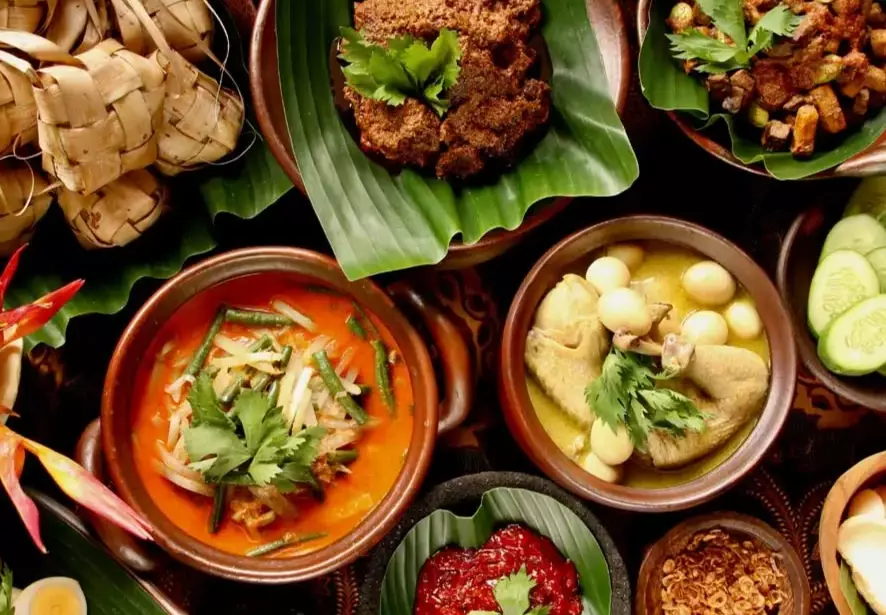
So, What Exactly *Is* Indonesian Food Anyway?
Pinpointing a single definition is tricky. Imagine thousands of islands, hundreds of ethnic groups, and centuries of trade bringing influences from India, China, the Middle East, and later Europe. Indonesian food is the delicious result of all that collision. It's less a monolith and more a sprawling, flavorful family with strong regional personalities.
The core philosophy? Boldness and balance. It's rarely about one single note. You'll find sweetness (often from palm sugar or coconut), saltiness (soy sauce, shrimp paste), sourness (tamarind, lime), and heat (a vast array of chilies) dancing together in most dishes. The foundational technique is the bumbu – a spice paste of fresh ingredients like shallots, garlic, ginger, turmeric, and galangal, pounded together and fried until fragrant. This paste is the heart and soul of countless recipes.
Forget bland. This is food with character.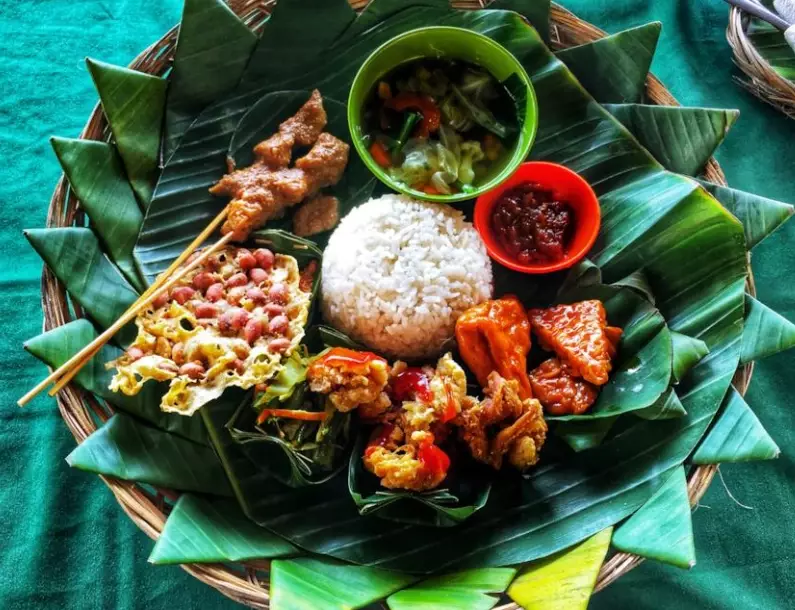
Another key player is sambal. Calling it chili sauce is a disservice. It's a condiment, a side dish, a flavor booster, sometimes even a main ingredient. There are hundreds of varieties, from the simple sambal terasi (with fermented shrimp paste) to fruit-based ones. A meal often doesn't feel complete without a little mound of sambal on the side.
If you want to get a genuine feel for the scope, the Official Indonesian Tourism Website has great insights into how food ties into culture across the archipelago. It's a good reminder that this cuisine is deeply woven into daily life and ceremony.
The Heavy Hitters: Indonesian Food Dishes You Absolutely Must Try
These are the classics, the national treasures. You'll find variations of these across the country, and they're your essential entry point into Indonesian food.
Rendang: More Than Just a Curry
Often crowned the "world's best food" in various polls, rendang is a West Sumatran Minangkabau dish that deserves the hype. It's a lesson in patience. Beef (or sometimes chicken) is slow-cooked for hours in coconut milk and a complex spice paste (bumbu) until the liquid evaporates and the spices caramelize onto the meat. The result isn't a saucy curry, but tender, dark, intensely flavorful dry meat. The coconut milk doesn't make it taste sweet; it creates a rich, nutty, savory base. It's a celebratory dish, often served at weddings and festivals. Don't confuse it with kalio, which is its saucier cousin. A proper rendang can last for weeks, its flavors deepening over time.
Nasi Goreng: The National Comfort Food
Every culture has its fried rice, but Indonesia's nasi goreng is in a league of its own. It translates simply to "fried rice," but the magic is in the seasoning. It's typically fried with sweet kecap manis (sweet soy sauce), shallots, garlic, chili, and often includes shrimp paste (terasi) for that umami punch. It's commonly topped with a fried egg, some crispy shallots, and slices of cucumber and tomato. It's breakfast, lunch, dinner, and late-night snack all in one. The best versions have a slight smokiness from a very hot wok. You haven't really had Indonesian food until you've scooped up a mouthful of this.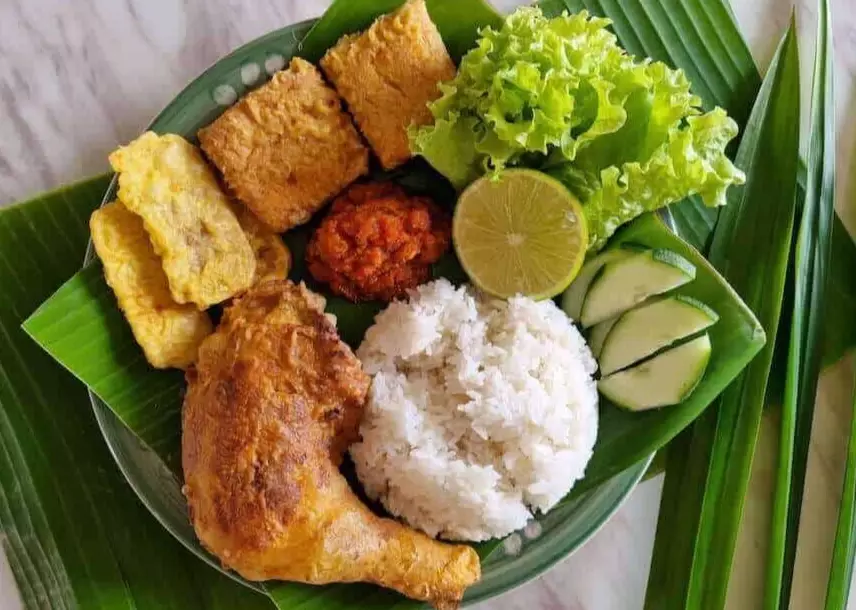
Sate (Satay): Indonesia's Iconic Street Food
Skewered, grilled meat served with sauce. Sounds simple, right? The beauty is in the details. The meat (chicken, goat, beef, even rabbit or turtle) is usually marinated in spices, turmeric, or sometimes just sweet soy sauce. The real star is the sauce. Sate ayam (chicken satay) is famously served with a rich, slightly sweet peanut sauce. But in Madura, they serve it with a darker, spicier sauce. In places like Padang, you might get a simpler dark soy and chili sauce. It's ubiquitous, affordable, and a perfect introduction to grilled Indonesian food.
Soto: The Soul-Warming Soup Spectrum
Soto is the umbrella term for a vast family of Indonesian soups. Every region has its own signature. Soto Ayam (chicken soup) is the most common – a fragrant, yellow-turmeric broth with shredded chicken, rice cakes (lontong or rice vermicelli), and a host of garnishes like celery leaves, fried shallots, and a squeeze of lime. Then you have Soto Betawi from Jakarta, which uses coconut milk for a creamy base, or Soto Madura which is clearer and sharper. It's comfort in a bowl, often eaten for breakfast or lunch.
Honestly, after trying a dozen types, I still lean towards a simple, clear Soto Ayam Lamongan on a rainy day. It just hits the spot.
Gado-Gado & Pecel: The Vegetable Powerhouses
Not everything is meat-heavy. Gado-gado is a glorious vegetable salad featuring boiled potatoes, long beans, bean sprouts, spinach, tofu, tempeh, and a hard-boiled egg, all smothered in that iconic, creamy peanut sauce. It's substantial, nutritious, and packed with texture. Pecel is its cousin from East Java, with a thinner, spicier peanut sauce and a slightly different mix of veggies, often including kangkung (water spinach). Both are fantastic examples of how Indonesian food creates incredibly satisfying plant-based dishes.
A Culinary Tour of the Islands: Must-Try Regional Specialties
This is where Indonesian food gets really exciting. Venturing beyond the national dishes reveals incredible diversity. Here's a quick tour of some regional highlights.
| Region | Signature Dish | What Makes It Special | Flavor Profile |
|---|---|---|---|
| West Sumatra (Padang) | Rendang, Gulai, various Sambals | Home of the Minangkabau. Famous for its rich, coconut-based dishes and spicy food. Served nasi padang style (many small plates). | Rich, spicy, complex, coconut-heavy. |
| Central Java & Yogyakarta | Gudeg, Soto Sokaraja | Known for sweeter flavors. Gudeg is young jackfruit stewed for hours with palm sugar and coconut milk, served with rice, chicken, and egg. | Sweet, savory, mild, aromatic. |
| East Java | Rawon, Rujak Cingur, Pecel | Heartier, saltier flavors. Rawon is a stunning black beef soup colored with keluak nut. Rujak Cingur is a savory fruit salad with... cow nose. | Savory, salty, earthy, bold. |
| Bali | Babi Guling, Lawar, Bebek Betutu | Unique for its widespread use of pork (due to Hindu majority). Babi guling is succulent spit-roasted pig. Flavors are bright and herbal. | Herbal, spicy, aromatic, less sweet. |
| North Sulawesi (Manado) | Tinutuan (Bubur Manado), Cakalang Fufu | Extremely spicy and adventurous (masakan pedas). Known for using ingredients like forest ferns, bamboo shoots, and smoked skipjack tuna. | Extremely spicy, sour, smoky, wild. |
I have to admit, I was skeptical about Rawon because of its pitch-black color (from the keluak nut). It looks almost intimidating. But the flavor is deeply earthy, nutty, and utterly unique – a must-try for adventurous eaters exploring Indonesian food.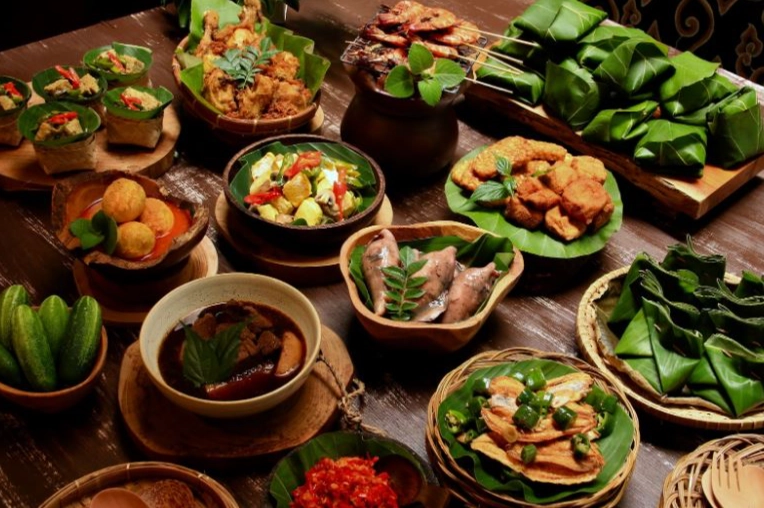
Meanwhile, Balinese food feels like a different universe compared to, say, Padang food. The use of fresh turmeric, ginger, lemongrass, and exotic bases like base genep creates layers of aroma that are just incredible. Their bebek betutu (smoked duck) is a days-long preparation that results in the most tender, infused meat imaginable.
Navigating the Practicalities: How to Eat Indonesian Food Like a Pro
Okay, you're hungry and ready to dive in. Here’s the practical stuff that makes the experience smoother.
Where to Eat: From Street Stalls to Restaurants
- Warung: The backbone of Indonesian dining. These are small, often family-run eateries, sometimes just a few tables. They're cheap, authentic, and a great way to try home-style cooking. Don't expect a fancy ambiance.
- Rumah Makan / Restoran: Simply means "restaurant." Can range from casual to upscale. Rumah Makan Padang is a specific, fantastic genre where a variety of pre-cooked dishes are displayed, and you get what you point at.
- Kaki Lima / Street Food Stalls: "Five feet" (referring to the cart's wheels and the vendor's feet). This is where you find incredible satay, bakso (meatball soup), martabak (stuffed pancake), and more. Follow the locals and the queues.
- Pasar (Market): The ultimate food adventure. Morning markets are for ingredients; night markets (pasar malam) are foodie paradises with countless stalls.
My best meal in Jakarta? A plate of phenomenal nasi campur (mixed rice with various toppings) from a tiny, steamy warung with plastic stools, for less than a dollar. The atmosphere was zero, the flavor was a hundred.
How to Order & The Nasi Padang Experience
In a typical warung, you might order a main dish (lauk) like fried chicken or fish, which comes with rice (nasi) and a few vegetable sides (sayur) and maybe a dollop of sambal. It's straightforward.
Then there's the Nasi Padang experience. You sit down, and a waiter places a dozen or more small plates of different dishes on your table – rendang, various gulai (curries), fried fish, sambal eggs, vegetables. You only eat (and pay for) what you touch. It's a fantastic way to sample a wide variety. Don't be shy to ask what things are ("Ini apa?"). The official Padang city website even highlights its culinary culture as a point of pride, which tells you something.
Handling the Heat: Is All Indonesian Food Spicy?
This is the biggest concern for many. The answer is a resounding no. While chili is a key component, many classic dishes are mild or only gently warming. Dishes like gado-gado, nasi goreng (unless specified pedas), soto ayam, and gado-gado are generally safe.
Spice is almost always adjustable.
Sambal is served on the side. You control how much, if any, you add. When ordering, you can say "tidak pedas" (not spicy) or "pedas sedikit" (a little spicy). The real fire-breathers are usually clearly indicated, like Manadonese (Masakan Manado) food or certain types of sambal. So relax – you can enjoy amazing Indonesian food without setting your mouth on fire.
Bringing the Flavors Home: Key Ingredients & Trying to Cook
Maybe you've tried it and now you're hooked. What next? The core flavors of Indonesian food come from a pantry of essential ingredients. You can find most in well-stocked Asian supermarkets or online.
- Kecap Manis: This is not your average soy sauce. It's thick, sweet, syrupy, and molasses-like. It's the secret behind the color and sweet-savory glaze of nasi goreng and many marinades. ABC brand is ubiquitous.
- Sambal Oelek & Terasi: Sambal oelek is a simple, versatile ground chili paste. Terasi (shrimp paste) is a pungent, fermented block that adds an irreplaceable umami depth to sambals and pastes. It smells strong but mellows beautifully when cooked.
- Fresh Aromatics: Galangal (similar to ginger, but sharper and piney), turmeric root (for that golden color and earthy flavor), lemongrass, and kaffir lime leaves are non-negotiable for many dishes.
- Tempeh: Indonesia's gift to the world. Fermented soybean cake, high in protein. It's not just a meat substitute; it's a star in its own right, best when deep-fried or marinated and grilled until crispy.
A great resource for authentic recipes is the website of Sajian Sedap, one of Indonesia's most popular cooking magazines (use Google Translate). It's a direct line into what home cooks are actually making.
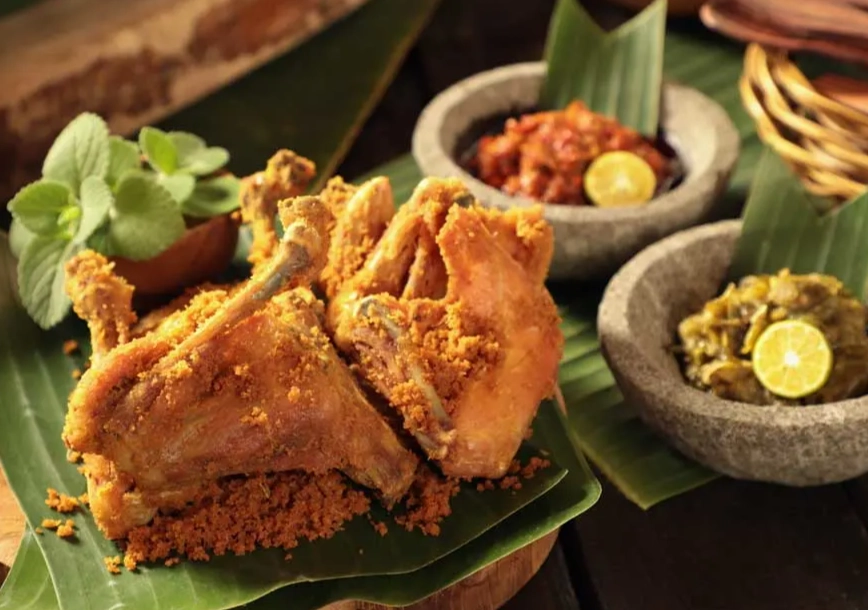
Start simple. A basic nasi goreng or ayam goreng (fried chicken) is very achievable. The key is taking the time to properly make and fry your bumbu spice paste until it's really fragrant. Don't rush that step.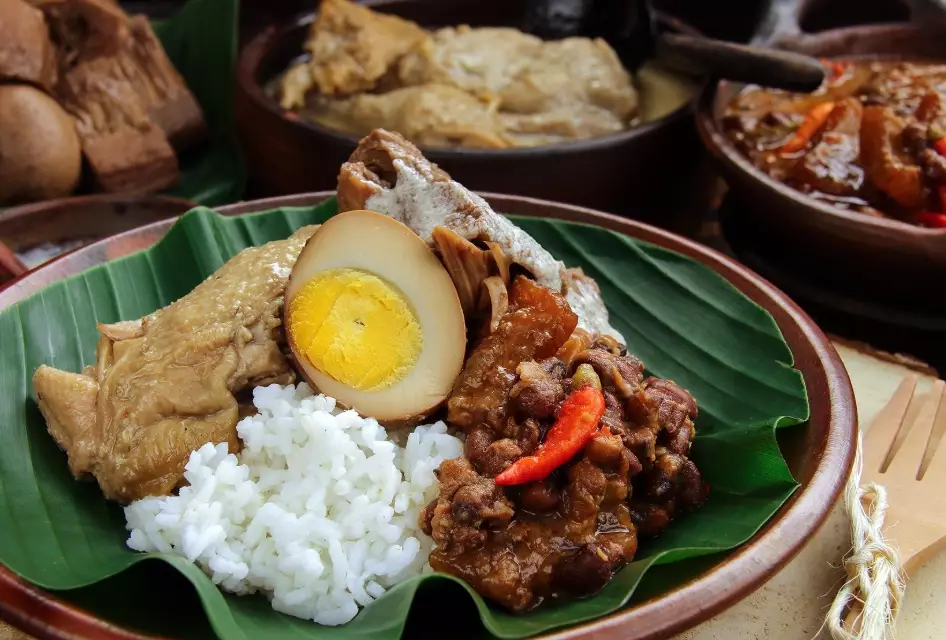
Answering Your Burning Questions About Indonesian Food
From the world-famous rendang to the humble street-side satay, from the sweet comforts of Javanese cuisine to the volcanic spice of Manado, Indonesian food offers an endless adventure. It's a cuisine built on balance, history, and sheer flavor courage. It might challenge your palate at times, but it will reward you with some of the most memorable meals you'll ever have. So, what are you waiting for? Grab a fork (or just your right hand) and dig in.