Your Thai Food Compass
- The Heartbeat of Thai Flavors: It's All About Balance
- Street Food vs. Restaurant Food: Two Sides of the Same Coin
- The Non-Negotiable List: Thai Dishes You Have to Try
- It's Not All the Same: A Quick Tour of Thailand's Regional Cuisines
- Your Burning Questions About Thai Foods, Answered
- Bringing It Home: The Thai Food Pantry Essentials
- A Few Parting Thoughts on Authenticity and Enjoyment
Let's be honest, when someone says "Thai food," what's the first thing that pops into your head? For a lot of folks, it's a plate of Pad Thai or a bowl of Green Curry. I get it, those dishes are everywhere. But after spending a good chunk of time traveling through Thailand and eating my way from street stalls in Bangkok to family kitchens in Chiang Mai, I realized Thai cuisine is a universe in itself. It's vibrant, complex, and honestly, sometimes confusing. I remember my first time ordering a "spicy" salad in Isan – I was not prepared. Tears were involved. But that's the beauty of it. This guide is my attempt to unpack that universe for you, to move beyond the takeout menu and into the heart of what makes Thai foods so incredibly addictive and unique.
We're not just talking recipes here. We're talking about the philosophy behind the flavors, the regional secrets most menus don't tell you, and how you can actually enjoy this cuisine whether you're at a fancy restaurant, a roadside cart, or in your own kitchen. Forget the generic lists. This is about understanding the why behind the taste.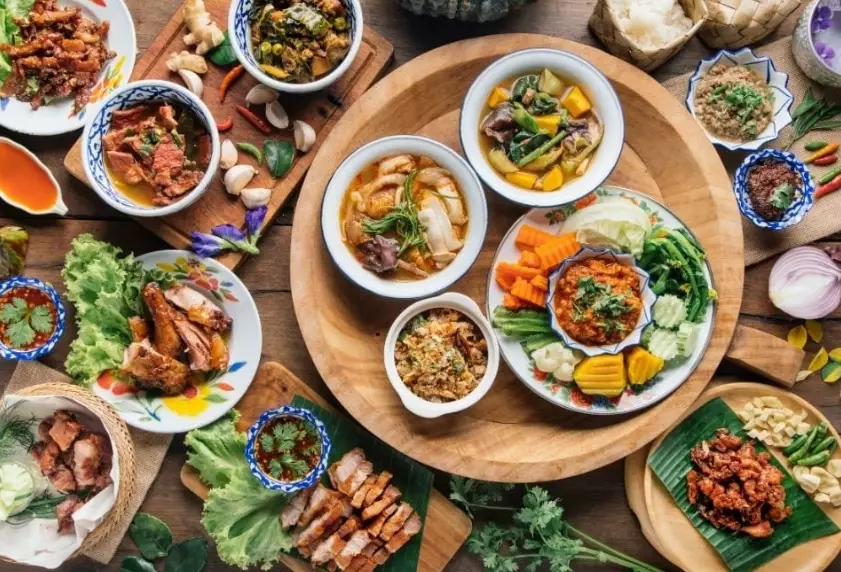
The Heartbeat of Thai Flavors: It's All About Balance
If you take away one thing about Thai foods, let it be this: balance is everything. It's the core principle. Thai chefs aren't just trying to make something spicy or sweet. They're aiming for a harmonious dance on your palate. Think of it like a band. You wouldn't want only the drums, right? You need the guitar, the bass, the vocals. Thai food works the same way.
The Key Players in Your Flavor Band
Let's meet the band members, the fundamental tastes that make up almost every classic Thai dish.
Sweet: This isn't just about sugar. Palm sugar is the MVP here. It has a rich, almost caramel-like depth that white sugar just can't match. It rounds out sharp edges and is crucial in curries and stir-fries.
Sour: Lime juice is the fresh, brightening star. Tamarind paste brings a deeper, fruity tang (it's what gives Pad Thai its signature taste). And then there's vinegar, often used in pickles and some salads.
Salty: Fish sauce (nam pla). Oh, fish sauce. This is the umami bomb, the secret weapon. Don't be scared by the smell in the bottle – once it cooks, it transforms into this savory, complex saltiness that soy sauce can't replicate. Light soy sauce and dark soy sauce are also used, but for color and a different kind of saltiness.
Spicy: Fresh chilies, dried chilies, chili pastes. The heat is a feature, not a bug. But here's the thing – it's meant to be part of the ensemble, not a solo act that burns your taste buds off. The type of chili changes the game. A bird's eye chili (prik kee noo) is a sharp, immediate fire, while other varieties offer a slower, smokier burn.
Bitter & Umami: Often overlooked. Bitterness can come from certain vegetables or herbs. Umami comes from fermented shrimp paste (kapi), fish sauce, and dried seafood. This is what gives body and "savory depth" to pastes and sauces.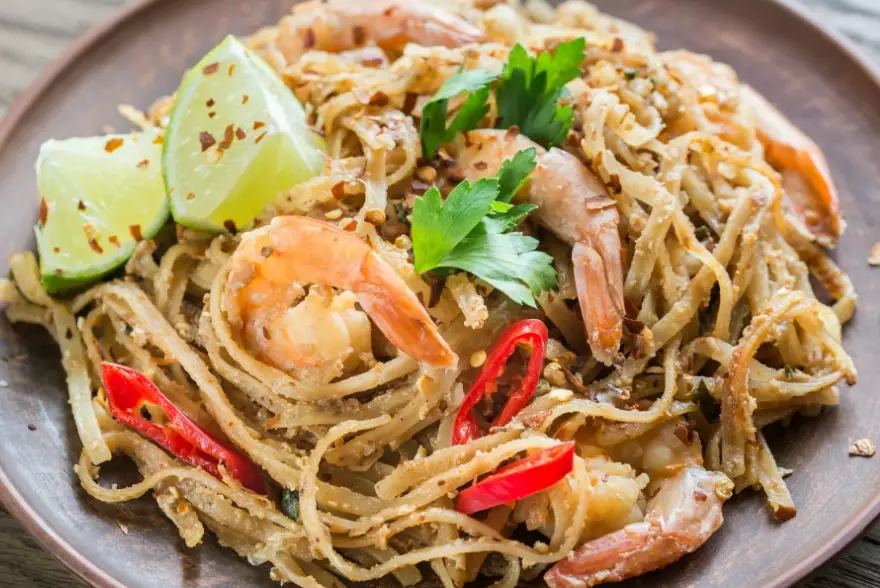
Getting this balance wrong is the most common pitfall in Western kitchens trying to cook Thai. Too much fish sauce and it's inedibly salty. Too much palm sugar and it's cloying. Not enough lime and it feels flat. I've made a Green Curry that was just a spicy coconut soup because I messed up this balance. It was... sad.
Street Food vs. Restaurant Food: Two Sides of the Same Coin
This is a big one. The experience of Thai foods is radically different depending on where you eat. And neither is "better" – they serve different purposes and moods.
Street food is the soul of Thai eating. It's fast, cheap, incredibly focused, and often cooked by someone who has made one specific dish for decades. The wok is scorching hot, the flavors are bold and direct. You're eating standing up or perched on a tiny plastic stool. It's about immediacy and authenticity of technique. A street food Pad Thai often has a distinct "wok hei" (the breath of the wok) – that slightly smoky char – that's hard to replicate in a restaurant kitchen with lower heat.
Restaurant food, especially in more upscale places, is where complexity and presentation shine. Dishes might have more ingredients, more elaborate presentation, and often a more refined balance. A restaurant Green Curry might have more nuanced herb notes and a silkier texture. Family-style restaurants are the sweet spot for many, offering a wider variety of dishes meant to be shared, in a more comfortable setting.
| Aspect | Street Food | Restaurant Food |
|---|---|---|
| Atmosphere | Lively, chaotic, no-frills | Varies from casual to formal |
| Price | Very low (1-3 USD per dish) | Moderate to high |
| Portion Size | Usually single-serving | Often meant for sharing |
| Flavor Profile | Bold, direct, high-impact | Can be more nuanced and complex |
| Best For | Quick meal, specific crave, immersion | Leisurely meal, trying multiple dishes, comfort |
| Example | Pad Thai from a cart, Grilled Pork Skewers (Moo Ping) | Whole Steamed Fish with Lime & Chili, Massaman Curry |
My advice? Do both. Start with street food to understand the fundamentals, then hit a good local restaurant to see how those flavors are expanded upon.
The Non-Negotiable List: Thai Dishes You Have to Try
Okay, let's get to the good stuff. Beyond Pad Thai, here are dishes that define the experience of authentic Thai foods. This isn't a ranked list, but a collection of essentials.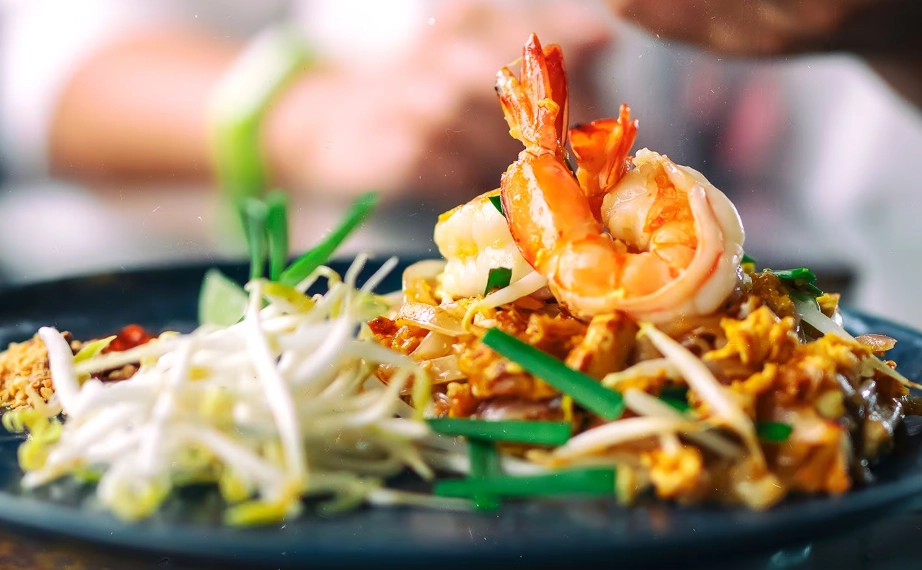
Tom Yum Goong (Spicy Shrimp Soup)
The king of Thai soups. It's a clear, fiery, and sour broth infused with lemongrass, galangal, kaffir lime leaves, and chilies. The "goong" means prawns, which are usually added whole. The flavor is an explosive wake-up call – aromatic, spicy, sour, and savory all at once. There's also a creamy version (Tom Yum Nam Khon) with a dash of evaporated milk or coconut milk that tones down the heat slightly and adds richness. Personally, I prefer the clear version; the creaminess sometimes mutes those amazing herbal highs for me.
Som Tum (Green Papaya Salad)
This is a textural and flavorful masterpiece from the Northeast (Isan). Shredded unripe papaya is pounded in a mortar with garlic, chilies, green beans, tomatoes, lime juice, fish sauce, and palm sugar. Often dried shrimp and peanuts are added. The result is a crunchy, spicy, sour, sweet, and salty salad that is utterly refreshing. Warning: It can be very spicy. Always ask for "pet nit noi" (a little spicy) if you're unsure. I learned this the hard way.
Gaeng Keow Wan Gai (Green Curry with Chicken)
The most famous curry, and for good reason. The green color comes from fresh green chilies and herbs pounded into a paste. It's cooked with coconut milk, Thai eggplant, bamboo shoots, and sweet basil. It's creamy, aromatic, and has a well-rounded heat. The key is the quality of the curry paste – a homemade or good-quality store-bought paste makes all the difference. Served with rice, it's comfort food heaven.
Pad Krapow Moo Saap (Holy Basil Stir-fry with Minced Pork)
Perhaps the ultimate Thai street food lunch. Minced pork (or chicken/beef) is stir-fried with garlic, chilies, soy sauce, and a generous handful of holy basil (krapow). The basil is crucial – it has a peppery, anise-like flavor that's completely different from sweet Italian basil. It's served over rice, often with a fried egg on top (khai dao). It's savory, spicy, fragrant, and ridiculously satisfying. This is the dish I crave most when I'm not in Thailand.
Massaman Curry
A testament to Thailand's historical trade. This is a rich, mild, and slightly sweet curry with Persian influences. The paste includes spices like cinnamon, cardamom, and star anise, making it deeply aromatic rather than fiery. It's usually made with beef or chicken, potatoes, and roasted peanuts. It's a hearty, comforting curry that shows the incredible diversity within Thai foods.
It's Not All the Same: A Quick Tour of Thailand's Regional Cuisines
Thailand isn't a monolith, and neither is its food. The cuisine changes dramatically as you move across the country. Most "Thai" restaurants abroad focus on Central Thai cuisine, but there's a whole world out there.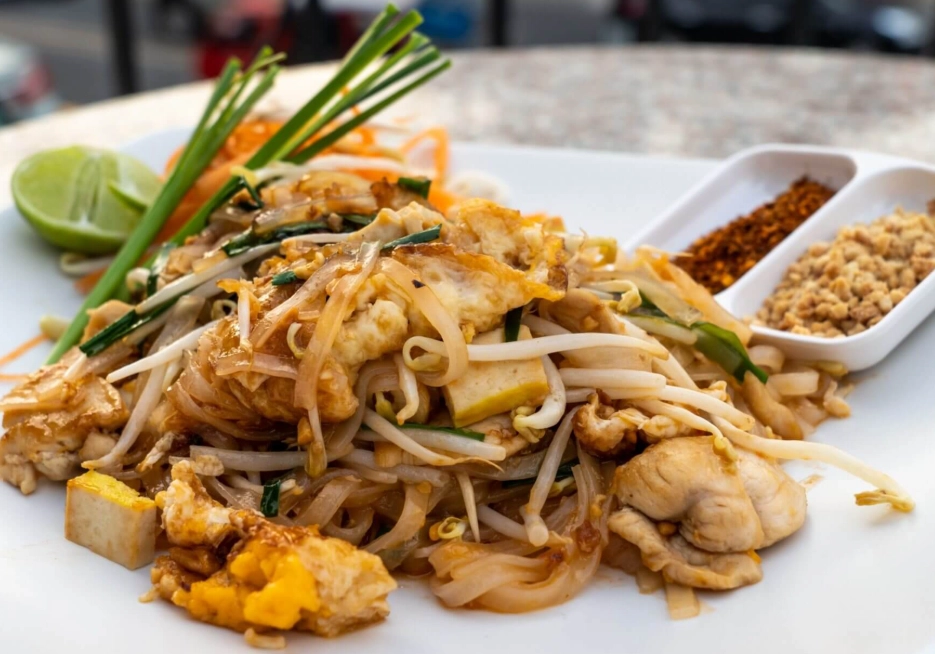
Northern Thai Food
Think milder, earthier, and influenced by neighboring Myanmar and Laos. Sticky rice is the staple, eaten with the hands. Dishes are often herb-forward rather than chili-forward. Must-tries include Khao Soi (crispy and soft egg noodles in a rich, creamy coconut curry broth – my personal favorite dish in all of Thailand), and Sai Oua (herb-packed grilled sausage).
Northeastern Thai Food (Isan)
This is the bold, fiery, and funky cuisine. Sticky rice again is key. Everything is grilled, spicy, and sour. Som Tum (papaya salad) is the icon here, along with Gai Yang (grilled marinated chicken) and Larb (a minced meat salad toasted with ground rice and packed with herbs). The flavors are uncompromising and incredibly vibrant.
Southern Thai Food
Seafood paradise, and the spiciest of the bunch. Influenced by Malay cuisine, you'll find lots of turmeric, coconut milk, and of course, tons of chilies. Gaeng Som (a sour orange curry) and Khao Yam (a rice salad with herbs and dried shrimp) are classics. The food is intense, colorful, and deeply connected to the sea.
Central Thai food, from Bangkok and the plains, is what most people know internationally. It's the balance king, using all the flavors with finesse, and where you find the intricate royal cuisine.
Your Burning Questions About Thai Foods, Answered
I get asked these questions all the time. Let's clear things up.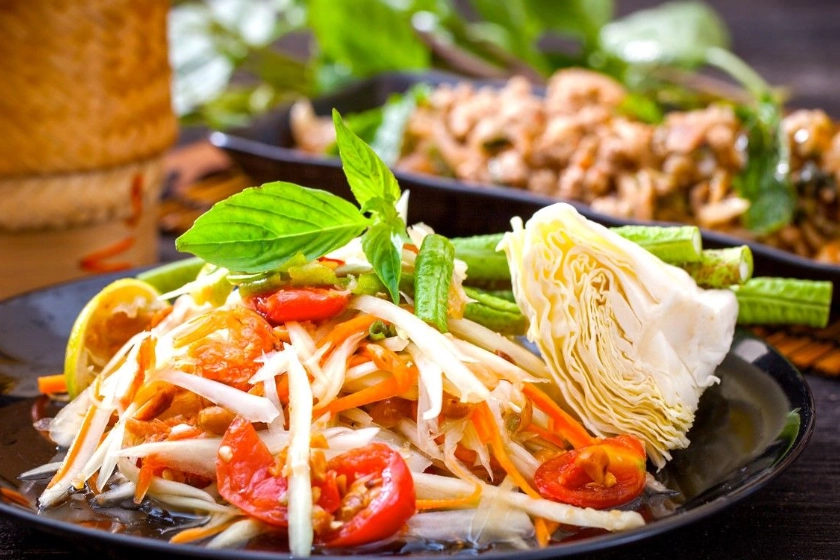
No! This is the biggest misconception. While spice is a major component, many dishes are mild or only mildly spicy. Curries like Massaman and Panang are quite mild. You can also almost always ask for it to be made less spicy. The phrase is "Mai pet" (not spicy) or "Pet nit noi" (a little spicy). Just be aware that in some street food stalls, the spice level is preset.
They are the umami foundation of so many Thai foods. Think of them like aged cheese or anchovies – powerful on their own, but transformative when used correctly in cooking. The strong smell dissipates with heat, leaving behind deep, savory complexity. You can't make authentic Thai food without them. Just don't sniff the bottle too closely!
Yes, but you need to be specific. Fish sauce and shrimp paste are in everything. The key phrase is "gin jay" (eat vegetarian, in the Buddhist sense, which also excludes garlic and strong roots sometimes). Or be very clear: "Mai sai nam pla, mai sai kung haeng" (No fish sauce, no dried shrimp). Many vegetable stir-fries and curries can be made vegan. Pad Pak Ruam (stir-fried mixed vegetables) is a safe bet.
Don't just order all curries. Build a balanced meal. I'd suggest: One curry (like Green or Panang), one stir-fry (like Pad Krapow or Cashew Chicken), one salad or appetizer (Spring Rolls or a Larb), and a soup (Tom Yum or Tom Kha Gai). Share everything with rice. This gives you a fantastic tour of textures, cooking methods, and flavors.
Start with the pantry. Get good-quality fish sauce (like Tiparos or Squid brand), light soy sauce, palm sugar, and a jar of decent curry paste (Mae Ploy or Maesri are widely available and good). Fresh ingredients are next: garlic, cilantro, limes, and chilies. Don't try to make your own curry paste from scratch yet. Master a simple stir-fry like Pad Krapow or a curry following the instructions on the paste jar first. The website of the Thai Cookery School has some excellent, reliable beginner recipes that explain the techniques well.
Bringing It Home: The Thai Food Pantry Essentials
Want to dabble in cooking? Here's what you need to stock. You don't need it all at once.
- Fish Sauce (Nam Pla): The salt of Thai cooking. Use in marinades, dressings, stir-fries.
- Light Soy Sauce: For saltiness and color in stir-fries.
- Palm Sugar: For that distinct rounded sweetness. Comes in cakes or jars.
- Thai Curry Pastes: Red, Green, Panang, Massaman. A good shortcut.
- Rice: Jasmine rice is the standard. Sticky rice for Northern/Isan dishes.
- Coconut Milk: Canned is fine. Don't shake it – the thick cream at the top is used to fry curry paste.
- Fresh Arsenal: Garlic, cilantro (roots, stems, and leaves), lemongrass, galangal (or ginger in a pinch), kaffir lime leaves (freeze them), Thai chilies (bird's eye chilies), limes, shallots.
Start with a good wok, but a large skillet will work too. High heat is your friend.
Cooking Thai food at home is a journey. Your first few attempts might not taste "right." That's okay. It's about adjusting the balance to your taste while respecting the core principles.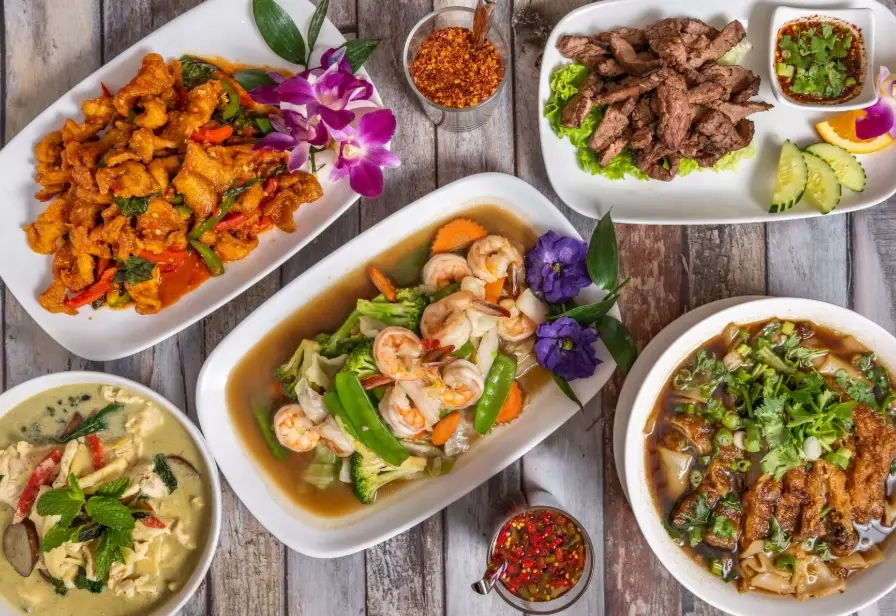
A Few Parting Thoughts on Authenticity and Enjoyment
The quest for "authentic" Thai foods can be a rabbit hole. Food evolves. What's authentic in a Bangkok mall is different from a village in Isan. What matters more is intent and understanding. Is the cook trying to achieve that balance of flavors? Are the core ingredients respected?
Don't stress too much. The best way to enjoy Thai cuisine is to be adventurous. Order something you can't pronounce. Ask the server what they recommend. Eat with your hands if it feels right (sticky rice!). Get messy. The joy of Thai food is in its vibrancy and lack of pretense. It's food meant to be shared, to be discussed, and to wake up every single one of your senses.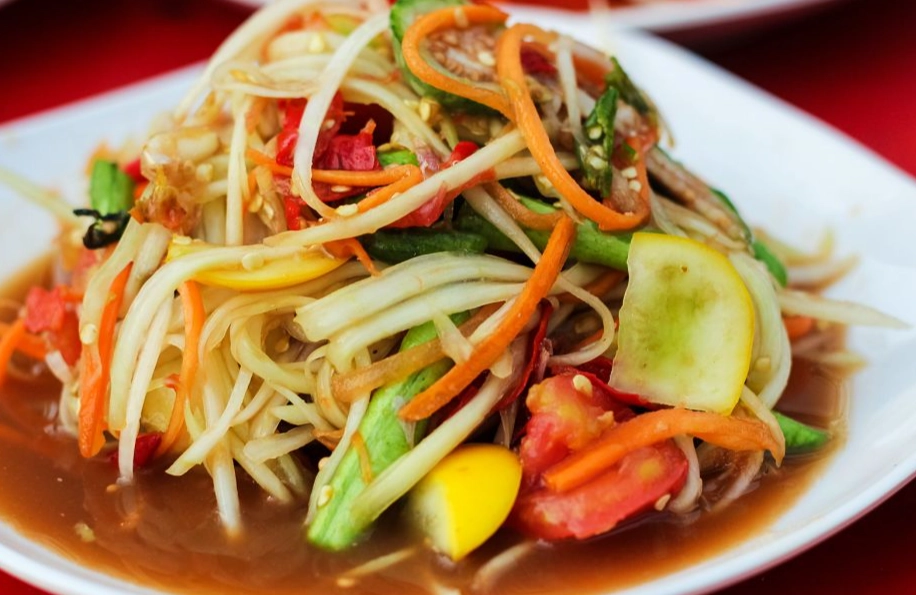
From the smoky chaos of a street cart to the delicate presentation of a royal-inspired dish, the world of Thai foods is endlessly fascinating. It’s a cuisine that invites you in, challenges you, and then rewards you with some of the most memorable flavors on earth. Go explore it.