In This Guide
- The Building Blocks: Understanding How Korean Food Names Work
- The Must-Know Korean Food Names: A Handy Table
- Beyond the Entree: Banchan, Street Food, and More
- How to Actually Order: Putting the Names to Use
- Answers to the Questions You're Probably Searching For
- Diving Deeper: Regional Specialties and Modern Trends
Let's be honest. You sit down at a Korean restaurant, the menu opens up, and suddenly you're looking at a list of words that might as well be in another alphabet. Wait, it *is* in another alphabet, but even the English spellings can leave you scratching your head. Is "jjigae" a soup or a stew? What's the real difference between "bibimbap" and "dolsot bibimbap"? And why are there so many things that seem to end in "bokkeum"?
I've been there. I remember my first real foray into a Korean BBQ place, trying to sound out the names and just pointing at something random. It worked out okay, but it felt like a gamble. Since then, after many, many meals (some glorious, some... interestingly spicy), I've gotten a handle on it. This guide is what I wish I had back then. We're not just going to list Korean food names; we're going to unpack them, so you know exactly what you're getting into. No more guesswork.
Think of this as your decoder ring for Korean cuisine.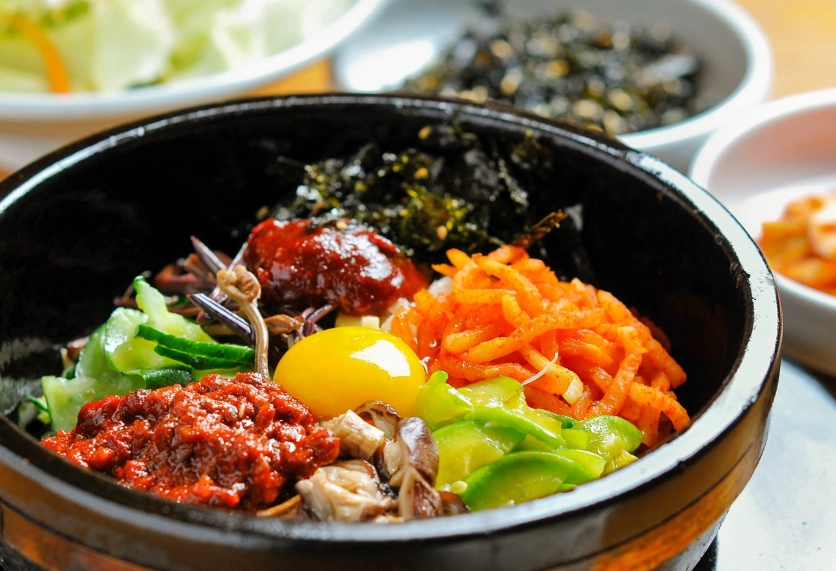
The Building Blocks: Understanding How Korean Food Names Work
Korean food names aren't just random sounds. They often tell you exactly what's in the dish or how it's cooked. Once you crack a few key syllables, a whole world opens up. It's less about memorizing a hundred different words and more about learning a simple code.
Key Cooking Methods in the Name
Look at the end of the word. That's often where the action is.
- -gui (구이): This means "grilled" or "roasted." It's your signal for BBQ. Bulgogi (불고기)? "Bul" means fire, "gogi" is meat. Fire meat. Grilled meat. Simple. Samgyeopsal-gui (삼겹살구이) is specifically grilled pork belly.
- -jjim (찜): This is for braised or steamed dishes. It's a slow, moist cooking method that makes meat incredibly tender. Galbi-jjim (갈비찜) is braised short ribs, falling-off-the-bone style.
- -bokkeum (볶음): Stir-fried. Anything with this suffix is going to be cooked quickly in a hot pan or wok. Jeyuk-bokkeum (제육볶음) is stir-fried spicy pork. It's a staple.
- -tang (탕) / -guk (국) / -jjigae (찌개): The soup/stew family. This is a spectrum. -Guk is usually a clearer, lighter soup, often eaten with rice (Miyeok-guk is seaweed soup). -Tang is a heavier, often hearty soup or stew, like Seolleong-tang (ox bone soup). -Jjigae is the king of the stews—thick, robust, spicy, and served boiling hot in a stone pot. Kimchi-jjigae is the most famous.
- -jeon (전): Savory pancake. Think of it as a Korean frittata or pancake, often filled with vegetables or seafood. Pajeon (파전) is green onion pancake, perfect for a rainy day.
Main Ingredient Clues
Sometimes the star of the show is right up front.
- Dak (닭): Chicken. Dak-bokkeum is stir-fried chicken, often spicy.
- Gogi (고기): Meat. A general term.
- Saengseon (생선): Fish.
- Bap (밥): Rice. This is crucial. Bibimbap (비빔밥) literally means "mixed rice."
- Myeon (면) or Guksu (국수): Noodles. Jjajangmyeon (짜장면) is noodles with black bean sauce.
See? It's starting to make sense. Dak-dori-tang (닭도리탕). Dak (chicken) + tang (stew). Chicken stew. You're already translating.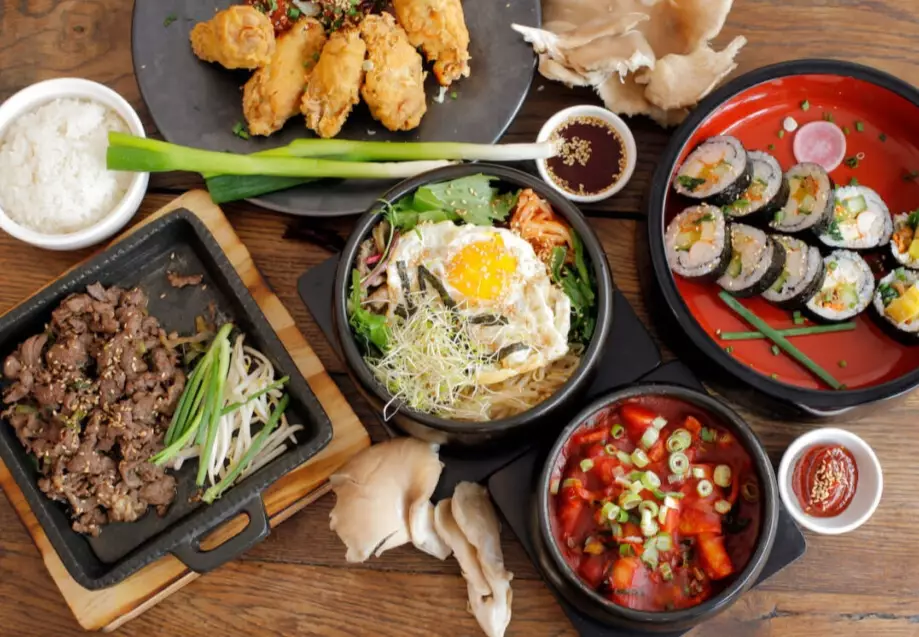
The Must-Know Korean Food Names: A Handy Table
Here's a breakdown of the absolute classics you'll see on almost every menu. I've grouped them to make it easier. This is your cheat sheet.
| Category | Korean Food Name | What It Is (Plain English) | Key Things to Know |
|---|---|---|---|
| Rice Dishes | Bibimbap (비빔밥) | "Mixed rice" with veggies, meat, egg, and gochujang sauce. | Order "dolsot" for a hot stone bowl that crisps the rice. |
| Rice Dishes | Kimchi Bokkeumbap (김치 볶음밥) | Kimchi fried rice. | Often served with a sunny-side-up egg on top. Comfort food champion. |
| Stews & Soups | Kimchi Jjigae (김치 찌개) | Spicy, fermented kimchi stew with tofu/pork. | The ultimate soul food. Spicy, sour, savory. A must-try. |
| Stews & Soups | Doenjang Jjigae (된장 찌개) | Fermented soybean paste stew with veggies/tofu. | Deep, earthy, umami flavor. Less spicy than kimchi jjigae. |
| Stews & Soups | Samgye-tang (삼계탕) | Ginseng chicken soup (whole young chicken). | Famous for being a summer stamina food. Mild and nourishing. |
| Noodles | Japchae (잡채) | Glass noodles (sweet potato) stir-fried with veggies and meat. | Served at celebrations. Sweet, savory, slightly chewy texture. |
| Noodles | Naengmyeon (냉면) | Icy cold buckwheat noodles in broth. | Perfect for hot days. Mul naengmyeon is in a tangy broth, Bibim naengmyeon is spicy and sauce-based. |
| Noodles | Jjajangmyeon (짜장면) | Noodles with a thick black bean sauce. | Korean-Chinese fusion. Rich, savory, slightly sweet sauce. |
| BBQ & Meat | Bulgogi (불고기) | Thinly sliced, marinated beef grilled (often at your table). | Sweet, savory, garlicky marinade. The classic gateway meat. |
| BBQ & Meat | Samgyeopsal (삼겹살) | Unmarinated, thick-cut pork belly grilled at the table. | You grill it yourself, dip in salt/ssamjang, wrap in lettuce. Interactive and fun. |
| BBQ & Meat | Galbi (갈비) | Marinated beef (or pork) short ribs. | Can be LA Galbi (cross-cut, thin) or Wang Galbi (premium, thick). |
That table should get you through 90% of menus. But the real magic of Korean dining isn't just the main course.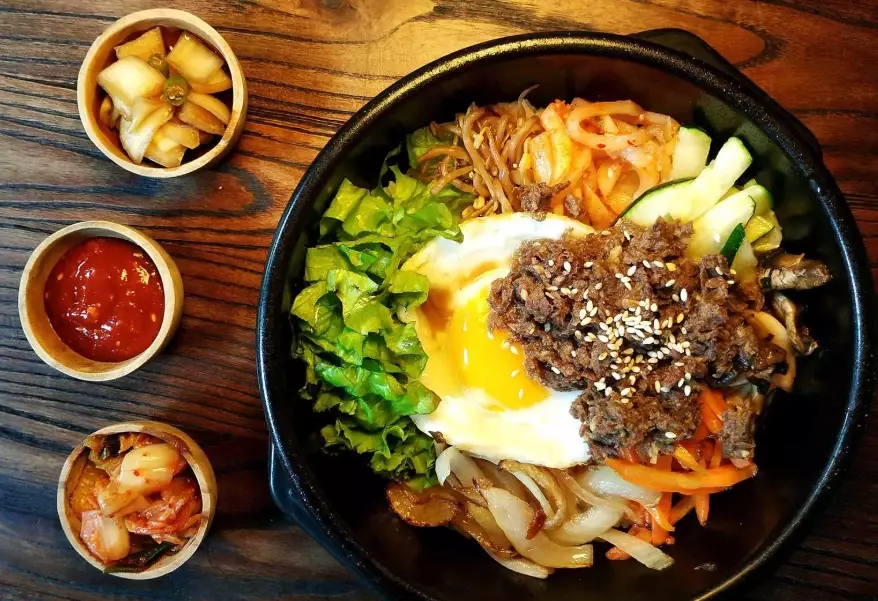
Beyond the Entree: Banchan, Street Food, and More
This is where knowing Korean food names gets really fun. The main dish is just the beginning.
The Banchan Universe (Side Dishes)
These small plates come free with your meal. The variety is stunning. Some common ones you'll hear:
- Kimchi (김치): The famous fermented vegetables. Napa cabbage (baechu kimchi) is the classic, but there are hundreds of types (radish, cucumber).
- Muchim (무침): Seasoned vegetables. Kongnamul-muchim is seasoned soybean sprouts, Sigeumchi-muchim is spinach.
- Namul (나물): A broader term for seasoned vegetable side dishes, often blanched or sautéed.
- Jeon (전): Those savory pancakes, but in mini versions as a side.
They're not just extras; they're designed to complement the main dish, adding different textures and balancing flavors. Don't be shy about asking for refills (they're usually free!).
Street Food & Snack Stars
If you see a food stall, these are the Korean food names to look for.
- Tteokbokki (떡볶이): Chewy cylindrical rice cakes in a sweet, spicy, red gochujang sauce. Often with fish cakes and boiled eggs. The #1 street food.
- Hotteok (호떡): Sweet, filled pancakes (think brown sugar, nuts, cinnamon) cooked on a griddle. A winter warmer.
- Kimbap (김밥): Seaweed rice rolls, like a cousin to sushi but with cooked ingredients (veggies, egg, ham, pickled radish). It's a picnic favorite.
- Odeng (오뎅) / Eomuk (어묵): Fish cake skewers served in a warm, mild broth. Simple, cheap, and comforting.
How to Actually Order: Putting the Names to Use
Knowing the names is one thing. Feeling confident enough to say them is another. Don't stress about perfect pronunciation. A sincere effort goes a long way. Here’s a simple framework:
Step 1: The Main Event. Pick your core dish from the categories above. "We'll have the kimchi jjigae and an order of samgyeopsal."
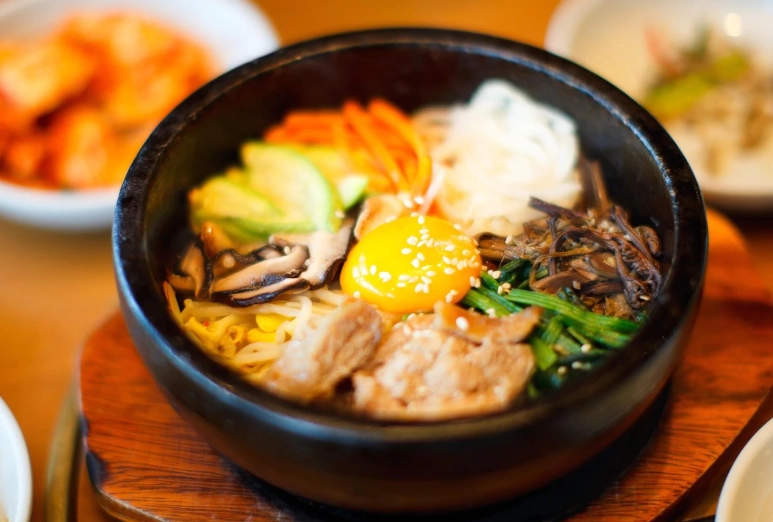
Step 2: Specify. Many dishes have options. For naengmyeon, you choose mul (water) or bibim (mixed). For bibimbap, you choose regular or dolsot (stone pot).
Step 3: The Spice Level. This is crucial. You can say "maeun" (spicy) or "maeum an-in" (not spicy). For a middle ground, "jom maeun" (a little spicy) works.
Step 4: Drinks. Beyond soda, try sikhye (식혀), a sweet rice punch, or sujeonggwa (수정과), a cinnamon-ginger punch.
The staff will usually help you if you look unsure. Just point and say "This, please" is a universal language.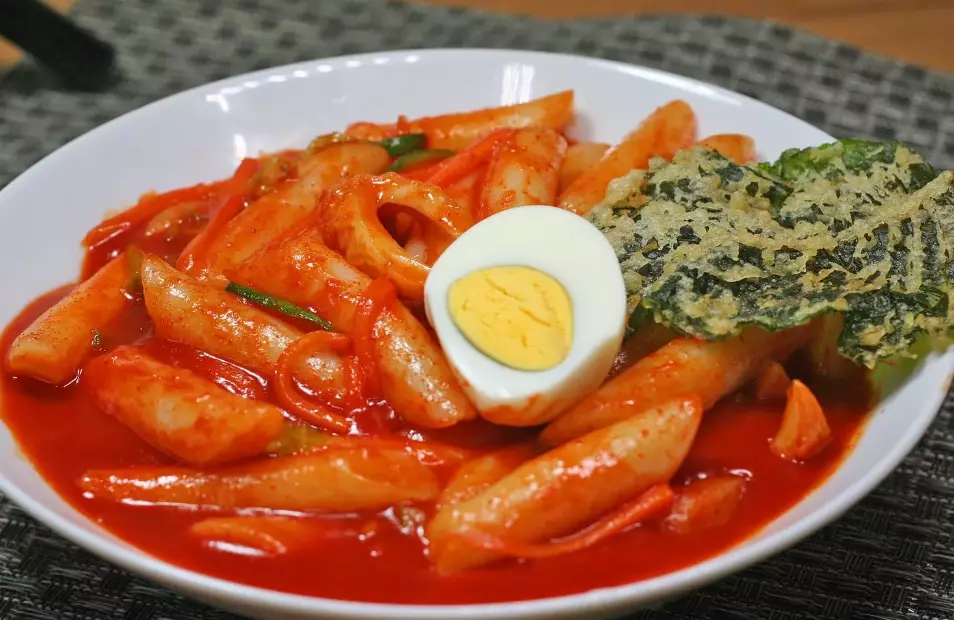
Answers to the Questions You're Probably Searching For
My Personal Go-To Order (For What It's Worth)
If I'm at a BBQ place, I always get samgyeopsal. I love the interactive, DIY aspect, and the pure, unadulterated pork flavor with the lettuce wrap is perfect. For a stew place, it's kimchi jjigae, but I ask for extra tofu. And I will never, ever say no to a plate of kimchi bokkeumbap with a very runny fried egg on top. It's my ultimate comfort food. Sometimes the simplest Korean food names hide the most satisfying meals.
Diving Deeper: Regional Specialties and Modern Trends
Once you're comfortable with the basics, you'll start noticing dishes that are famous from specific places.
Jeonju is famous for its original, elaborate Bibimbap. Andong is known for Andong Jjimdak (안동찜닭), a braised chicken dish with noodles and veggies in a savory, slightly sweet soy-based sauce. Busan, being a coastal city, is the place for super fresh Hoe (회, raw fish) and a special pork soup called Dwaeji-gukbap (돼지국밥).
And Korean food isn't static. Modern takes on classic Korean food names are everywhere. You might see Kimchi grilled cheese sandwiches, Tteokbokki with cream sauce, or Bulgogi burgers. The foundation is strong, so the innovations are exciting.
Look, at the end of the day, this isn't about memorizing a dictionary. It's about having enough tools to explore with confidence. The next time you see a menu full of Korean food names, you won't just see foreign words. You'll see "spicy fermented stew," "grilled marinated ribs," "icy noodles." You'll know that jjigae means a hearty, boiling pot of comfort, and bokkeum means a flavorful, fast stir-fry.
The best part? You can start simple. Try one new dish next time. Use this guide as a reference. Korean food is a vibrant, communal, and incredibly delicious world to explore. Now you've got the map. Go enjoy the meal.
Really, just go order something. You can't go that wrong. And if you do, well, that makes for a better story anyway.