Quick Navigation
Let's be real. You've probably seen Gwangjang Market in Seoul all over social media, a blur of sizzling pancakes and colorful fabrics. It looks amazing, but you're wondering... is it just for tourists now? Is the food actually good, or just good for Instagram? How do you even navigate the place without getting lost or overwhelmed?
I wondered the same things. My first visit was a disaster—I walked in circles, ate at the wrong stall, and left feeling like I'd missed the point entirely. After living in Seoul and dragging every visiting friend there (willingly or not), I've figured it out. This guide is what I wish I'd had. We're cutting through the hype and giving you the real, practical info you need to have an awesome time at one of Seoul's most iconic spots.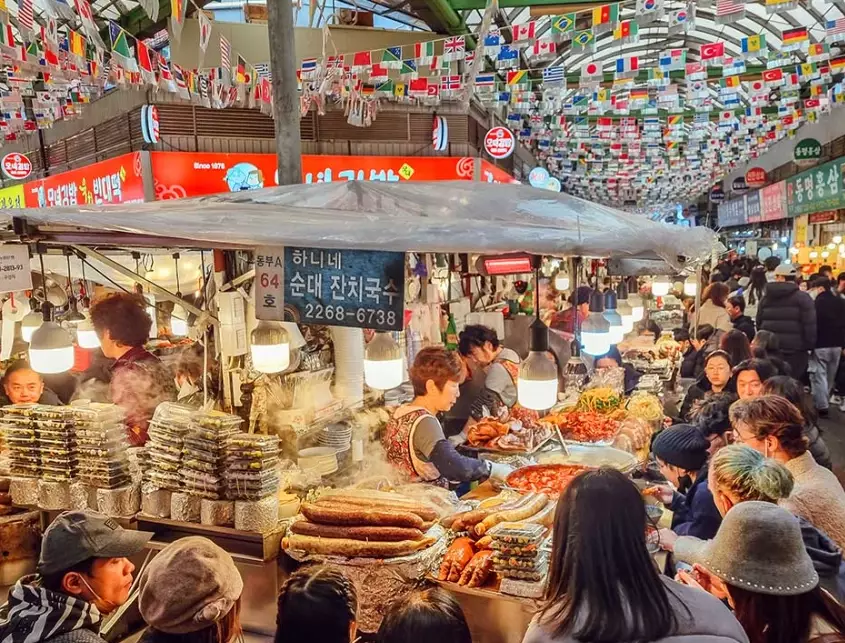
So, what exactly is Gwangjang Market? It's not just a market; it's a living, breathing piece of Seoul's history. Opened in 1905, it's one of the oldest and largest traditional markets in Korea. Forget the sleek, sterile malls—this is where Seoul's heart has been beating for over a century. It's a sprawling maze of alleys under one massive roof, where the scent of frying food mixes with the sound of merchants and the feel of vintage silk. A trip to Gwangjang Market in Seoul is a dive into the city's soul.
The Core Idea: Think of Gwangjang Market as two experiences in one. The front half, near the Jongno 5-ga entrance, is the famous food alley—loud, crowded, and delicious. The deeper you go, the more you find the traditional market: endless rows of fabrics, vintage clothes (called 'vintage' but often just second-hand), kitchenware, and more. Most people only see the food. The real adventure is seeing both.
Getting There: No Excuses for Getting Lost
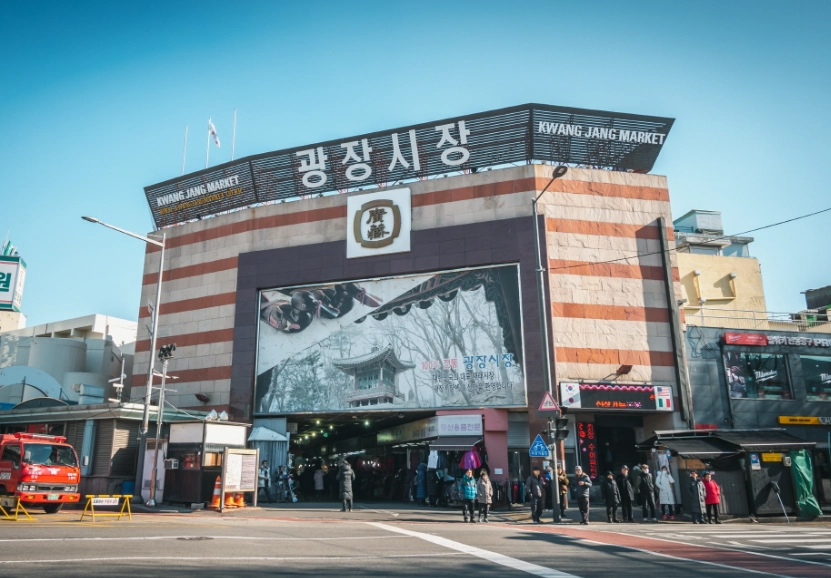
This is easier than you think. Seoul's subway is brilliant, and it drops you right at the market's doorstep.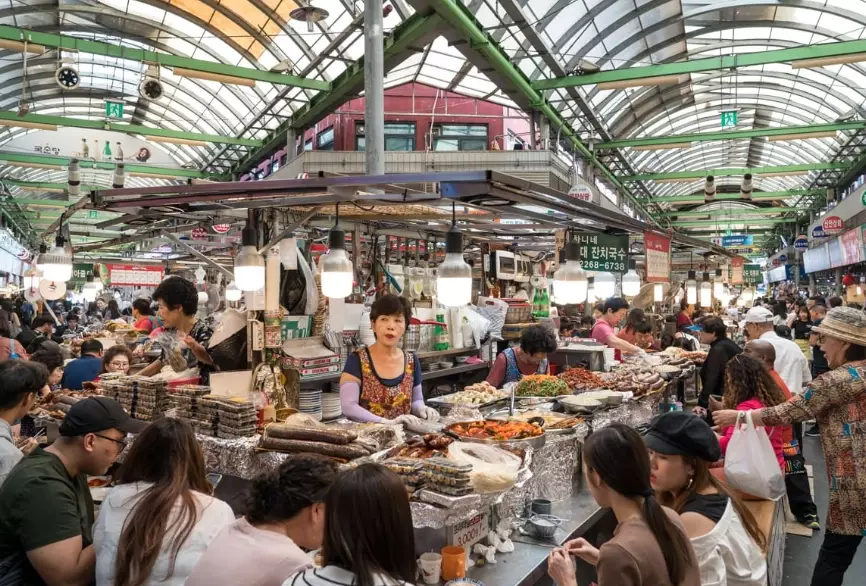
By Subway (The Best Way): Take Line 1 (the dark blue line) to Jongno 5-ga Station. Use Exit 7 or 8. Walk straight for about one minute. Seriously, you'll see the crowds and smell the food. You can't miss it. If you're on Line 2 (the green circle line), you can transfer to Line 1 at City Hall or Sindang Station, but it's a bit of a hassle. Line 1 is your direct shot.
By Taxi: Just tell the driver "Gwangjang Sijang" (Gwang-jang Shi-jang). Show them the Korean name on your phone: 광장시장. Easy.
Pro Tip on Timing: Everyone asks about the best time to visit Gwangjang Market. Here's the truth. Mornings (10 AM - 12 PM) are calmer. You can snag a seat easily and watch the stalls wake up. Lunchtime (12 PM - 2 PM) is pure chaos—packed with office workers and tourists. Evenings (5 PM - 8 PM) are lively and great for dinner, but some fabric shops start closing. I personally love the late afternoon, around 3-4 PM. The lunch rush is over, the dinner crowd hasn't arrived, and you get a bit of breathing room. Weekdays are always better than weekends.
And please, wear comfortable shoes. The floors can be uneven, and you'll be standing a lot. This isn't a stiletto-friendly environment.
The Main Event: What to Eat at Gwangjang Market (A Survival Guide)
This is why you're here. The food alley is legendary, but it can be sensory overload. Dozens of stalls, all shouting, all selling similar-looking things. How do you choose?
First, a mindset shift. Don't look for "the best" stall. Many have been there for decades, and recipes are family secrets passed down. The differences are subtle. Look for a stall with a friendly ajumma (auntie), a decent number of locals, and an empty seat. Trust your gut.
Now, let's break down the must-try dishes. I've put together a quick table because it's easier to digest (pun intended).
| Food Item (Korean Name) | What It Is | What It Tastes Like & Tips | Approx. Price |
|---|---|---|---|
| Bindaetteok (빈대떡) | Savory mung bean pancake. The market's signature dish. | Crispy on the outside, soft and savory inside. Often has bean sprouts, kimchi, pork. Served with a vinegar-soy-onion dipping sauce. Share one first—it's filling! | 8,000 - 12,000 KRW |
| Mayak Gimbap (마약 김밥) | "Drug" kimbap. Tiny, addictive rice rolls. | Bite-sized rolls of rice, carrots, spinach, pickled radish. The "drug" is the sweet-mustardy soy dipping sauce. You'll order a second plate. Guaranteed. | 4,000 - 5,000 KRW per plate |
| Yukhoe (육회) | Korean-style beef tartare. | Finely shredded raw beef, marinated in sweet soy, sesame, pear. Served with a raw egg yolk on top. Mix it all up. It's rich, sweet, and incredibly tender. Only get this from a busy stall for freshness. | 15,000 - 20,000 KRW |
| Soondae (순대) | Korean blood sausage. | Not what you might expect. It's primarily made with glass noodles and pork blood, giving it a dense, chewy texture. Boiled and served with salt or a spicy sauce. An acquired taste, but a true classic. | 7,000 - 10,000 KRW |
| Tteokbokki (떡볶이) | Spicy stir-fried rice cakes. | The market version is often extra chewy and served with a deep red, sweet-spicy sauce. Usually includes fish cakes and boiled eggs. Perfect for carb-loading. | 5,000 - 7,000 KRW |
My personal strategy? Grab a seat at a stall that looks good. Order a bindaetteok and a plate of mayak gimbap to share. Share a bottle of makgeolli (that sweet, fizzy rice wine—it's the perfect pairing). Then, wander and try one more thing from another stall. Maybe the yukhoe if you're feeling adventurous, or a bowl of kalguksu (knife-cut noodle soup) if you want something warm and comforting.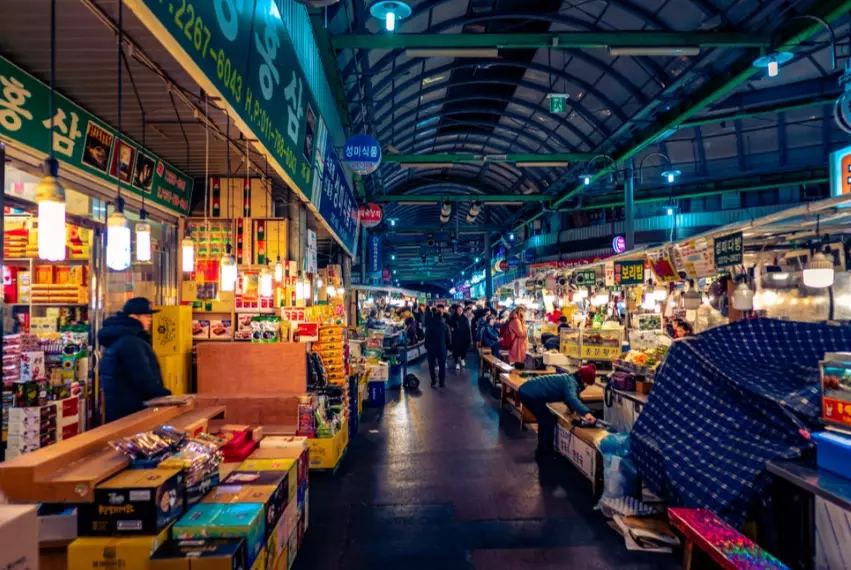
My Take: I think the mayak gimbap is the market's unsung hero. Everyone talks about the pancake, but those little rice rolls are pure genius. I also have a soft spot for the old men sipping soju and eating yukhoe at 11 AM—they know what's up.
A Reality Check: It's crowded. You will be elbow-to-elbow with people. The floors can be slippery. The ajummas can be brusque—they're working at lightning speed, not being rude. And yes, some stalls recycle side dishes. It's part of the traditional market ecosystem. If you need a pristine, quiet dining experience, this isn't it. But if you want authentic, vibrant, and delicious, you're in the right place.
Beyond the Food Alley: The Shopping Maze
Once you've eaten, walk it off by exploring the rest of Gwangjang Market. This is where you see its other personality.
Fabrics and Hanbok
Gwangjang Market is the go-to place for fabrics in Seoul. You'll see entire alleys dedicated to rolls of silk, lace, linen, and traditional Korean satin (yes, the shiny stuff used for hanbok). You can buy fabric by the meter or get custom clothing made. It's not cheap for high-quality silk, but it's the real deal. You can also find ready-made hanbok, both modern and traditional styles.
Vintage and Second-Hand Clothes ("Vintage Alley")
This section is hit or miss. They call it "vintage," but it's mostly a huge collection of second-hand clothing. You can find everything from 90s windbreakers to fur coats to work shirts. You need patience and a good eye to dig through the racks. Prices are very low, and bargaining is expected. Don't be shy to offer 20-30% less than the asking price.
Kitchenware and Home Goods
Need a giant stainless steel pot? A specific type of kimchi container? This is your spot. It's a fascinating look at the tools of Korean home cooking. You'll see brass rice spoons, stone bowls (dolsot), and all manner of utensils you never knew existed.
 The deeper you go, the quieter it gets. It's a weirdly peaceful contrast to the food frenzy.
Answers to Questions You're Probably Googling (FAQ)
My Biggest Tip: Go with an empty stomach and a sense of curiosity. Don't just follow a checklist. See a line of locals at a stall you've never heard of? Get in line. See a weird-looking snack? Try it. That's how you find the real magic of Gwangjang Market.
How Gwangjang Market Fits Into Your Seoul Trip
You're not just going to a market. You're visiting a landmark. Pair it with other historic sites in the Jongno district. It makes perfect sense to visit Gwangjang Market in the late morning for food, then walk off your meal by exploring Changdeokgung Palace or the Bukchon Hanok Village (traditional house village) in the afternoon. They're all within walking distance or a short taxi ride.
It's also a fantastic alternative to the more polished, modern markets like Namdaemun. Gwangjang feels grittier, more authentic, less geared towards souvenir trinkets (though you can find those too).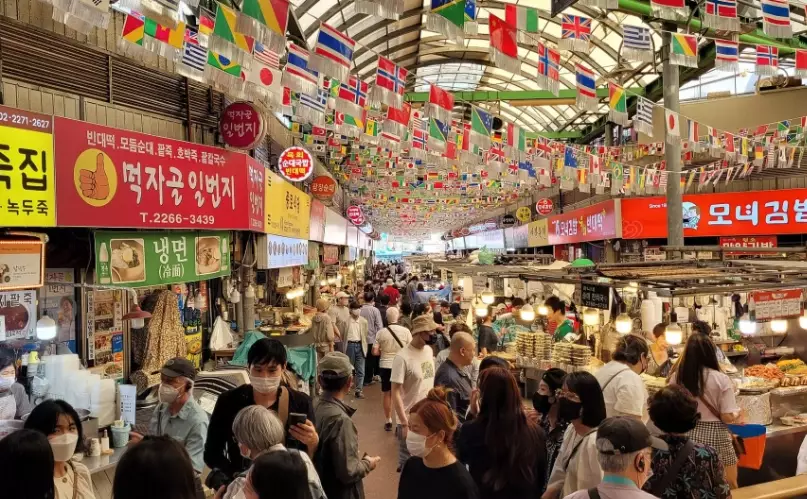
The Final Word (No Fluff)
Gwangjang Market isn't perfect. It's loud, it's chaotic, it can be overwhelming, and not every single bite will be life-changing. Some parts feel stuck in time, for better or worse.
But that's exactly why you should go.
It's a direct connection to old Seoul. It's a place where history isn't in a museum—it's in the sizzle of a pancake, the feel of silk between your fingers, and the rapid-fire Korean of the vendors. It's authentic in a way that designed "experiences" can never be.
Your visit to Gwangjang Market in Seoul will stick with you. You'll remember the taste of that first bite of hot bindaetteok, the confusion of the fabric alleys, the kindness of an ajumma who refilled your side dishes without you asking. You'll leave full, maybe a little lost, and with a much deeper understanding of the city's rhythm.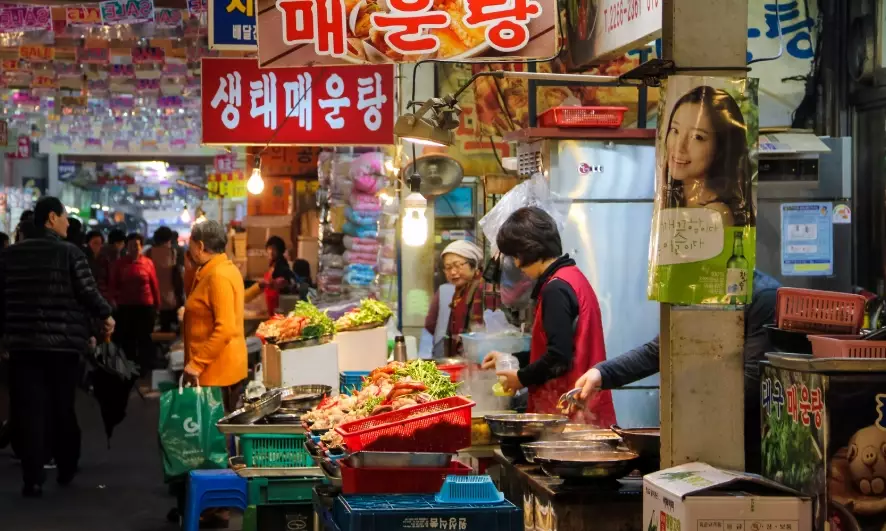
So, just go. Get on the subway, find Exit 7, and dive in. You'll figure it out. And hey, if you see a guy in the corner struggling to finish a giant pancake, it might just be me.