Quick Guide
Let's talk about Ethiopian food. I mean, really talk about it. It's not just another cuisine you scroll past on a food blog. It's an experience that hits all your senses at once—the sight of a massive, colorful platter, the sourdough-like smell of fresh injera, the intense warmth of spices, and the sheer fun of eating with your hands. If you've never tried it, you're missing out on one of the most communal and flavor-packed culinary adventures out there.
I remember my first time. I walked into this little restaurant, the air thick with the scent of something earthy and spicy I couldn't name. A giant gray sponge-looking bread was laid down, and dollops of stews in vibrant reds, yellows, and greens were poured on top. No utensils in sight. I was hooked from the first tear-and-scoop.
What's the big deal? Ethiopian cuisine stands apart. It's built on ancient traditions, unique ingredients like teff flour and the spice blend berbere, and a deeply ingrained culture of sharing. A meal is rarely a solo act; it's a shared platter, a conversation starter, a moment of connection. That's the heart of it.
The Heart and Soul of the Meal: Injera
You simply cannot discuss Ethiopian dishes without starting with injera. It's the foundation, the plate, and the utensil, all in one. Calling it a "bread" feels almost insulting—it's so much more.
Made from teff flour (a tiny, ancient grain native to Ethiopia), the batter is fermented for days. This gives injera its signature sour taste, spongy texture, and those iconic "eyes" or bubbles on one side. The sourness is a brilliant counterpoint to the rich, spicy stews it carries.
Honestly, the sourness can be a surprise if you're not ready for it. Some friends I've taken have found it an acquired taste at first bite. But give it a chance. By the third scoop, that tang becomes essential, cutting through the heat and oil perfectly.
How do you eat it? You tear off a piece of injera from the outer edge (the part not soaked in sauce) and use it to pinch up a bit of stew. No forks needed. It's tactile, it's messy in the best way, and it forces you to slow down and enjoy.
Is all injera the same? Not at all. The color can tell you a lot. White injera, made from ivory teff, is milder. Brown or darker injera, from darker teff grains, has a deeper, more mineral-like flavor. The best Ethiopian dishes are served on a large, communal injera that covers the entire platter.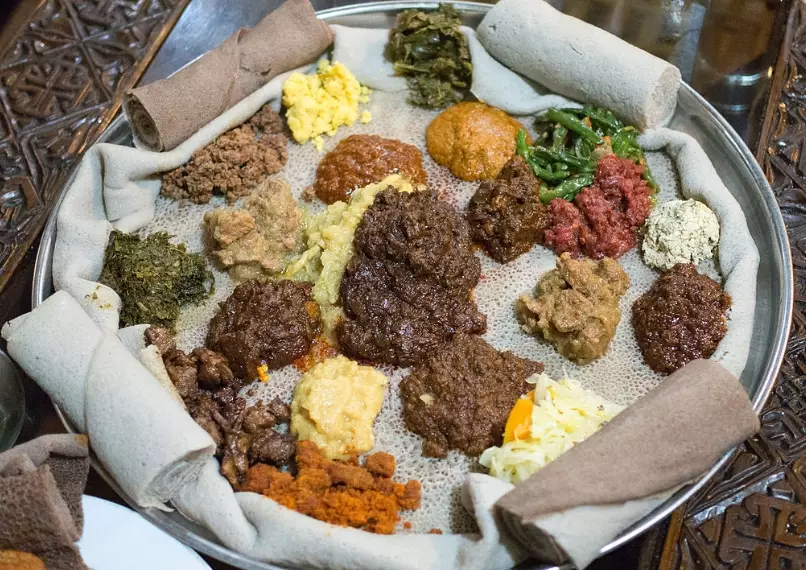
The Stars of the Show: Key Ethiopian Dishes You Must Try
Okay, so you've got your injera canvas. Now for the paints. The stews and salads that adorn it are called "wat" (or "wot"). They range from mild and comforting to face-meltingly spicy. Here’s your essential guide to the must-try Ethiopian dishes.
The "Wat" Family: Stews that Define Comfort
These slow-cooked stews are the backbone of the cuisine. The base is often onions, garlic, ginger, and the legendary berbere spice mix—a complex blend of chili peppers, fenugreek, paprika, and over a dozen other spices.
| Dish Name | Key Ingredients | Flavor Profile & What to Expect | Who It's For |
|---|---|---|---|
| Doro Wat | Chicken, berbere, hard-boiled eggs | The national dish. Intensely red, rich, and spicy-sweet. The chicken is fall-off-the-bone tender. The egg soaks up all the glorious sauce. | Adventurous eaters ready for authentic, bold flavor. |
| Key Wat | Beef, berbere | The beef version. Deeply savory, fiery, and incredibly hearty. Often uses cubed beef stew meat. | Spice lovers and meat enthusiasts. |
| Misir Wat | Red lentils, berbere | A vegetarian superstar. Lentils cooked down into a thick, spicy, and utterly delicious paste. Packed with protein and flavor. | Vegetarians and anyone who loves a good, spicy lentil dish. |
| Shiro Wat | Ground chickpea or fava bean powder | A smooth, creamy, and comforting stew. Can be mild or spicy ("shiro bebere"). Has a unique, earthy, nutty flavor. | A great mild introduction; kids often love its creamy texture. |
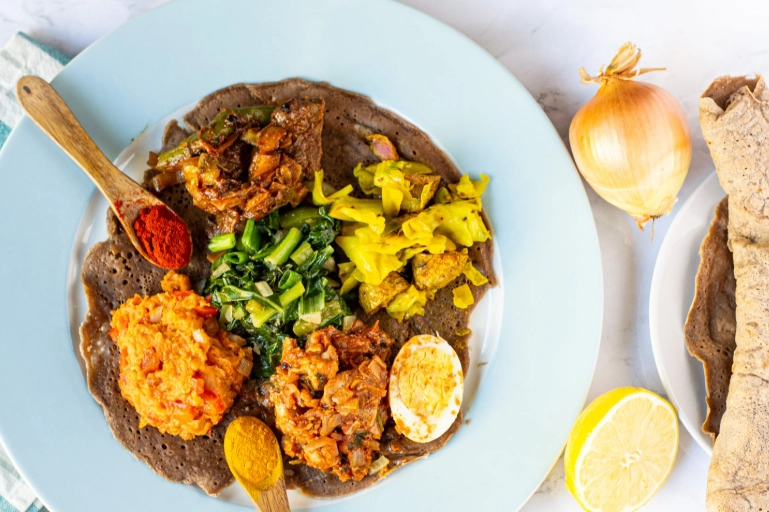
What's the difference between a wat and an alicha? Good question. Alicha stews are the milder cousins. They skip the berbere and use turmeric, ginger, and garlic for a warm, golden, fragrant flavor. Alecha Sega (beef) or Alecha Dinich (potatoes and carrots) are perfect if you need a break from the heat.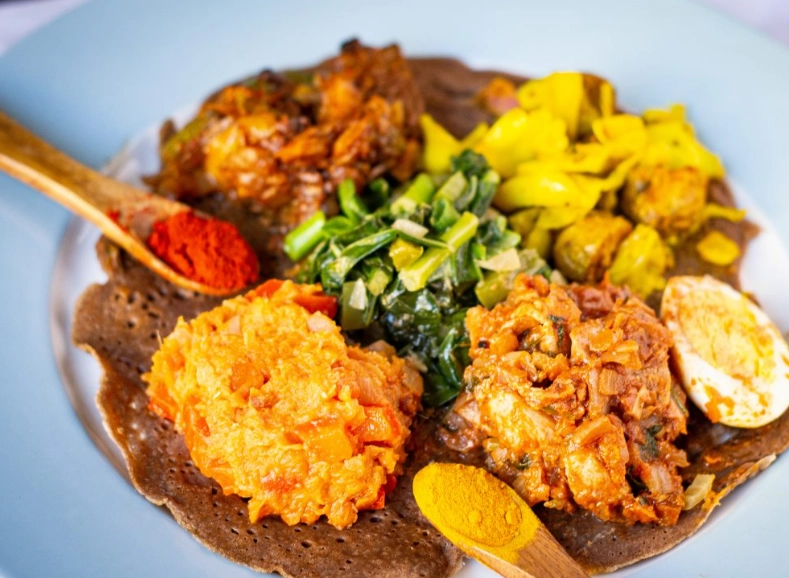
Beyond the Stew: Other Essential Ethiopian Dishes
Pro Tip: When ordering at a restaurant, get a vegetarian combo platter (often called "Beyaynetu") even if you're not vegetarian. It's the best way to sample a little bit of everything—lentils, greens, salads, shiro—on one beautiful injera platter.
The stews get most of the attention, but a balanced Ethiopian meal has so much more texture and flavor going on.
- Tibs: Think of these as Ethiopian stir-fries. Cubed meat (beef, lamb, or goat) sautéed with onions, rosemary, and peppers. Zilzil Tibs are often crispy and ribbon-cut. They're less saucy than a wat, more focused on the meat's texture and the quick-seared herbs.
- Kitfo: This is Ethiopia's answer to steak tartare. Finely minced raw beef, seasoned with mitmita (a spicy chili powder blend) and kibe (clarified spiced butter). It's served lightly warmed ("leb leb") or completely raw. The flavor is bold, buttery, and spicy. An acquired taste for some, a revelation for others.
- Gomen/Gomen Besiga: Collard greens cooked down with spices, sometimes with chunks of beef (besiga). Earthy, healthy, and a necessary green component.
- Azifa: A refreshing lentil salad with mustard and lemon. It's cool, tangy, and acts like a palate cleanser between bites of spicy wat.
- Firfir: The ultimate comfort food. Torn pieces of leftover injera are stir-fried in a spicy sauce (often leftover doro wat sauce). It's carb-on-carb, saucy, and deeply satisfying.
The Supporting Cast: Spices, Butter, and Cheese
The magic of these Ethiopian dishes comes from a few key ingredients you won't find combined quite this way anywhere else.
Berbere: We've mentioned it, but it deserves its own spotlight. It's not just "chili powder." It's a complex, aromatic blend that can include fenugreek, korarima (Ethiopian cardamom), rue, basil, and ajwain. It provides heat, but also depth, fragrance, and that unmistakable red hue. You can learn more about its significance from resources like the Ethiopian Airlines travel portal, which often features cultural insights.
Kibe (Niter Kibbeh): This is not your average clarified butter. It's simmered with spices like turmeric, cardamom, and fenugreek, infusing a subtle, perfumed aroma into every dish it touches. It's the secret fat that makes everything taste uniquely Ethiopian.
Ayib: A mild, crumbly, fresh cheese similar to farmer's cheese or a dry ricotta. It's almost always served on the side with spicy dishes like kitfo or key wat. Its cool, milky blandness is the perfect fire extinguisher for a spicy mouthful.
How to Actually Eat an Ethiopian Meal (Etiquette 101)
Don't stress, but knowing a few things will make your first experience smoother and more respectful.
- Hands Only: Utensils are typically not provided. Use your right hand only (the left is considered unclean in many traditional settings).
- The Technique: Tear a small piece of injera from the section nearest you. Use it to pinch up a bite-sized portion of stew. Try to get a bit of everything in one pinch for the perfect flavor combo.
- Sharing is Caring: You eat from the communal platter. Don't hoard one stew in your corner. Explore the whole landscape.
- The Ultimate Compliment - Gursha: If someone you're close to feeds you a bite by hand, it's called a "gursha." It's a sign of affection and hospitality. Accept it graciously (and maybe return the favor!).
My first gursha took me by surprise! An Ethiopian friend just reached over, scooped up the perfect bite of doro wat, and placed it in my hand. It felt incredibly warm and welcoming, once I got over the initial shock.
What about drinks? You'll likely be offered Tej, a traditional honey wine. It's sweet, slightly funky, and pairs surprisingly well with the spicy food. For non-alcoholic options, look for sparkling water—the bubbles help cut the spice—or fruit juices.
And you must end with the coffee ceremony. Ethiopia is the birthplace of coffee. The ceremony is a slow, aromatic process of roasting green beans, grinding them, and brewing them in a clay pot called a jebena. It's strong, often served with a sprinkle of salt or a spoonful of sugar, and is about savoring the moment and conversation. The UNESCO Intangible Cultural Heritage list acknowledges the deep social significance of rituals like this in Ethiopian culture.
Finding and Choosing Great Ethiopian Food
So you're ready to try these amazing Ethiopian dishes. Where do you go?
If you're lucky enough to have an "Little Ethiopia" district or a cluster of restaurants, that's your best bet. Look for places that are busy, especially with Ethiopian patrons—that's always a good sign. The menu should have a mix of the classics we've discussed.
Can't find a restaurant? Try cooking at home. You can find teff flour, berbere, and mitmita at well-stocked international grocery stores or online. Making injera from scratch is a project (that fermentation is key), but stews like misir wat or shiro are surprisingly approachable. The official Ethiopian government portal sometimes shares basic cultural information that can provide context for the dishes you're trying to recreate.
A word of caution: some store-bought berbere can be very salty. Taste as you cook!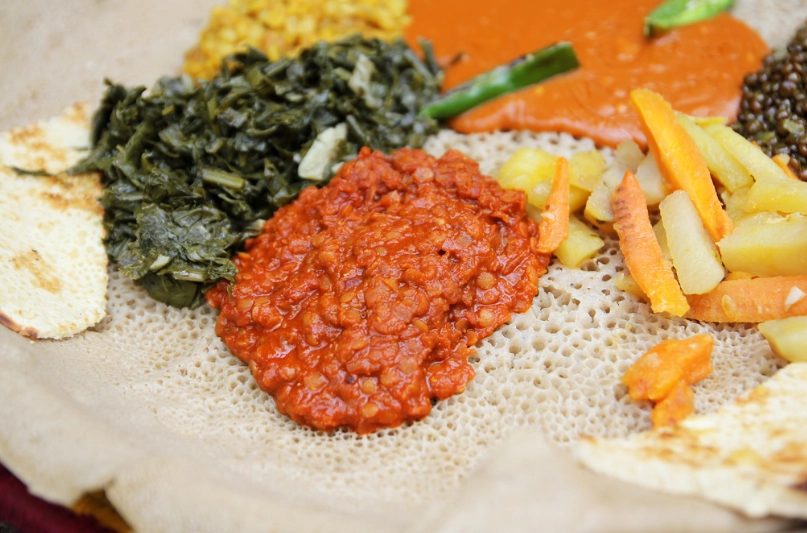
Your Ethiopian Food Questions, Answered
Look, diving into Ethiopian cuisine can feel like a leap. The flavors are different, the eating style is hands-on, and the names can be confusing. But that's the joy of it. It's a cuisine that demands engagement, that turns a meal into an event.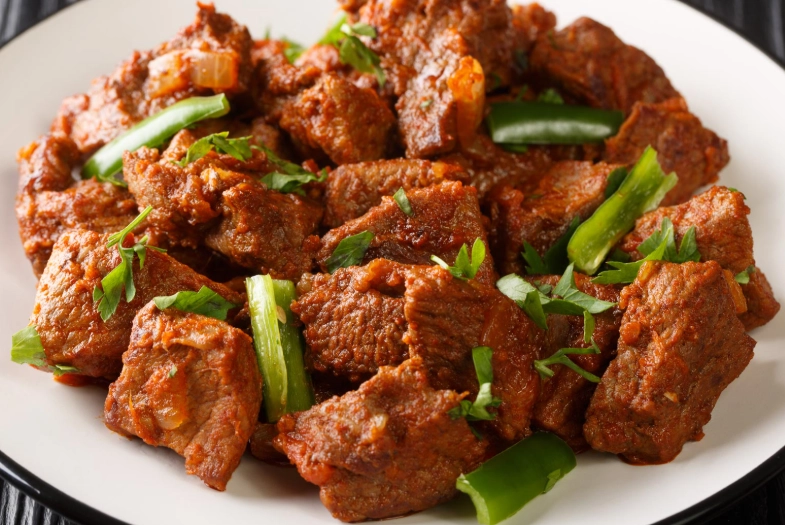
It's not just about fueling up. It's about the slow unrolling of the injera, the shared discovery of which wat is your favorite, the laughter when someone makes a messy scoop, and the profound comfort of that final, strong cup of coffee.
So find a restaurant, gather a few friends, and order that big, beautiful platter. Tear into that injera. Get your hands a little dirty. You're not just eating; you're participating in a tradition that's as nourishing for the soul as it is for the body. The world of Ethiopian dishes is waiting for you, and it's absolutely worth exploring.